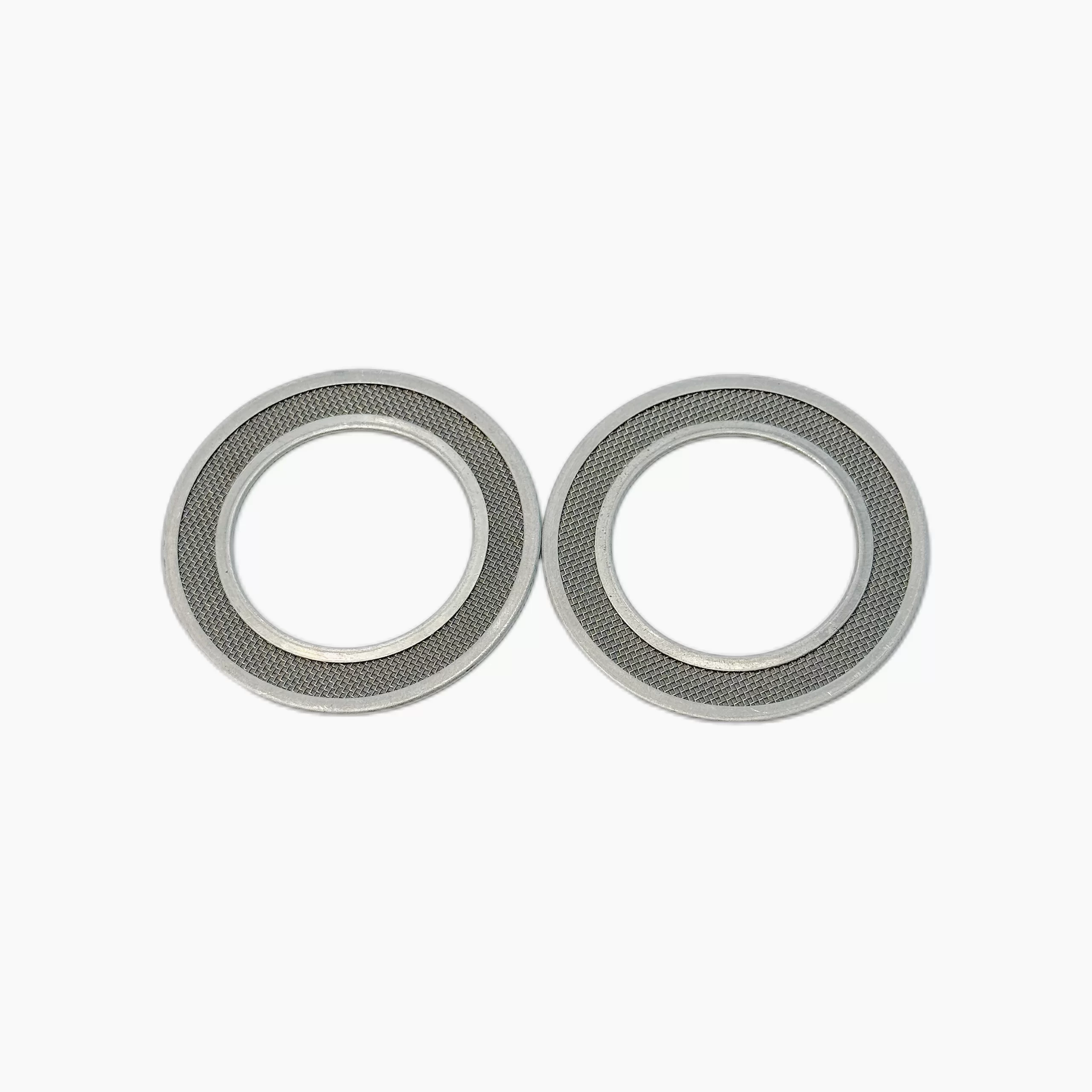
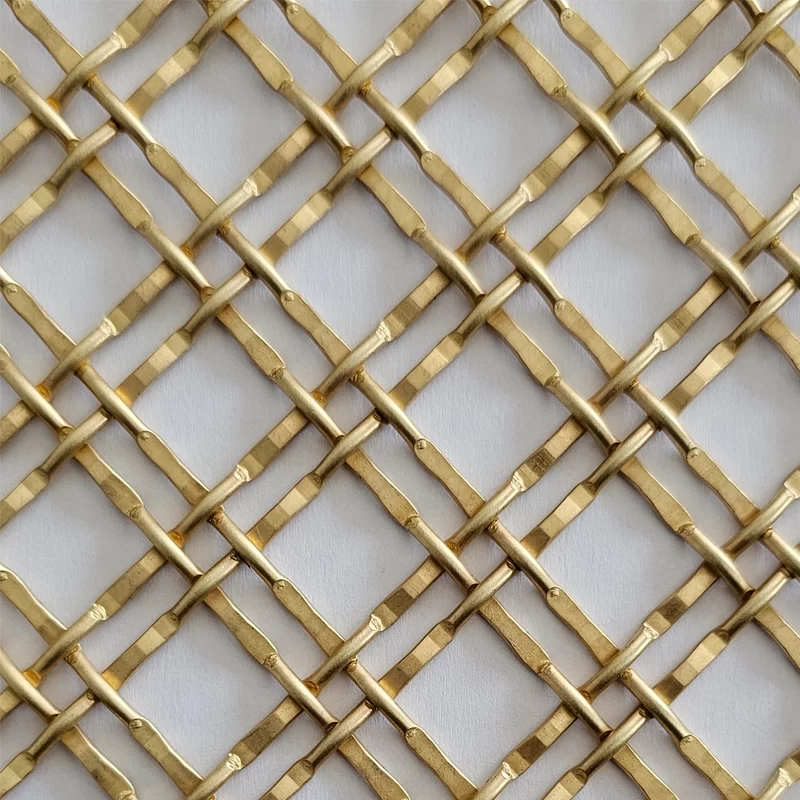
Choosing the right fly screen mesh is essential for creating a comfortable and well-ventilated indoor environment while preventing insects from entering homes, commercial buildings, and industrial facilities. However, not all insect screens are manufactured from the same material or designed for the same application. Different fly screen mesh types offer different levels of durability, flexibility, corrosion resistance, visibility, and airflow, making material selection an important part of the purchasing process. Common options include aluminum, stainless steel, fiberglass, and other specialized materials, while custom aluminum fly screen mesh can be manufactured according to specific dimensions and application requirements. Understanding the characteristics of each fly screen mesh material can help homeowners, contractors, architects, and distributors select a suitable solution for their projects.
What Is Fly Screen Mesh?
Fly screen mesh is a fine mesh screen designed to prevent flies, mosquitoes, insects, and other unwanted pests from entering through windows, doors, ventilation openings, and other building openings. At the same time, the open structure allows air and natural light to pass through, making it a practical alternative to completely enclosed barriers.
The performance of fly screen mesh depends on several factors, including material, mesh count, wire diameter, opening size, surface treatment, and overall construction. A properly selected screen should provide an effective barrier against insects without significantly restricting airflow or visibility.
For residential buildings, insect screening is commonly installed on windows, doors, balconies, and ventilation openings. Commercial buildings, restaurants, warehouses, and other facilities may also use fly screen mesh to improve hygiene and reduce the entry of insects.
Main Fly Screen Mesh Types
Aluminum Fly Screen Mesh
Aluminum fly screen mesh is one of the most widely used metal insect screening solutions. Aluminum offers a useful combination of low weight, corrosion resistance, durability, and workability, making it suitable for residential and commercial applications.
The relatively lightweight nature of aluminum fly screen mesh makes it easy to handle during fabrication and installation. It can be used for windows, doors, ventilation openings, and various customized screening systems.
Aluminum also provides a clean metallic appearance that can complement many modern building designs. With appropriate surface treatment or coating, the appearance and environmental resistance of aluminum fly screen mesh can be further enhanced.

Stainless Steel Fly Screen Mesh
Stainless steel is another important fly screen mesh material, particularly for applications requiring higher strength and durability. Stainless steel mesh can withstand more demanding conditions than many lightweight screening materials.
It is suitable for commercial buildings, industrial facilities, coastal environments, and other locations where resistance to corrosion and mechanical damage is important.
Although stainless steel may have a higher initial cost than aluminum or fiberglass, its durability can make it an attractive option for long-term applications.
Fiberglass Fly Screen Mesh
Fiberglass is a flexible and lightweight option commonly used in residential insect screening. It can be easily cut and fitted into different window and door frames, making installation relatively convenient.
Compared with metal mesh, fiberglass fly screen mesh offers greater flexibility and can be suitable for applications where lightweight construction is the priority. It is commonly used for standard residential windows and doors.
However, applications requiring greater mechanical strength may benefit from metal alternatives such as aluminum fly screen mesh or stainless steel mesh.

Comparing Different Fly Screen Mesh Types
Understanding the differences between common fly screen mesh types can help buyers select a suitable product for their application.
Fly Screen Mesh Type
| Main Characteristics
| Typical Applications |
Aluminum Fly Screen Mesh
| Lightweight, corrosion-resistant, durable | Windows, doors, commercial buildings
|
Stainless Steel Mesh
| High strength, durable, corrosion-resistant | Industrial and demanding environments |
| Fiberglass Mesh | Flexible, lightweight, easy to install
| Residential windows and doors
|
| Coated Metal Mesh | Enhanced appearance and protection | Residential and commercial projects |
| Custom Mesh | Designed according to project requirements | Specialized applications |
The best choice depends on factors such as environmental exposure, expected service life, mechanical requirements, installation method, and budget.
Why Aluminum Fly Screen Mesh Is a Popular Choice
Aluminum Fly Screen Mesh Offers a Good Strength-to-Weight Ratio
One of the most important benefits of aluminum fly screen mesh is its low weight. Aluminum provides sufficient strength for many screening applications without creating unnecessary weight on window or door systems.
This characteristic can simplify transportation, handling, fabrication, and installation. For large projects, the lower weight of aluminum can also make the overall screening system easier to manage.
Aluminum Fly Screen Mesh Provides Corrosion Resistance
Buildings located in humid environments require screening materials that can resist moisture and environmental exposure. Aluminum fly screen mesh naturally forms a protective oxide layer, providing useful corrosion resistance under many atmospheric conditions.
This makes aluminum suitable for residential and commercial applications where the screen may be exposed to humidity, rain, and changing weather conditions.
Aluminum Fly Screen Mesh Can Be Used in Many Applications
The versatility of aluminum fly screen mesh allows it to be used in windows, doors, ventilation openings, porches, balconies, and other areas where insect protection is required.
Its combination of low weight, durability, and corrosion resistance makes it particularly suitable for large-scale construction projects and replacement screening systems.
How to Select the Right Fly Screen Mesh Material
Selecting the appropriate fly screen mesh material requires more than simply choosing the most common option. Buyers should consider the environmental conditions, expected mechanical loads, installation location, required visibility, airflow requirements, and desired service life.
For ordinary residential applications, fiberglass or aluminum may provide sufficient performance. Where greater strength and durability are required, stainless steel may be more appropriate. In environments where weight and corrosion resistance are key considerations, aluminum fly screen mesh can provide an effective balance.
Mesh opening is also important. A smaller opening can provide better protection against smaller insects, while a larger opening may provide increased airflow. The appropriate specification should therefore be selected according to the insects that need to be excluded and the ventilation requirements of the building.
Applications of Fly Screen Mesh
Fly screen mesh is widely used in residential, commercial, and industrial environments. In residential buildings, it can be installed on windows, doors, balconies, and ventilation openings to help keep insects outside while maintaining airflow.
Commercial buildings such as restaurants, hotels, offices, and retail facilities can also use insect screening to support cleaner and more comfortable indoor environments. In food-related facilities, appropriate screening can form part of a broader approach to maintaining hygienic conditions.
Industrial buildings, warehouses, workshops, and agricultural facilities may require more durable fly screen mesh types to withstand demanding environmental conditions. In these applications, material selection becomes particularly important because the screen may be exposed to dust, moisture, frequent handling, or mechanical impact.
The quality of fly screen mesh depends not only on the selected material but also on manufacturing accuracy and quality control. A reliable manufacturer should be able to maintain consistent mesh openings, wire diameters, dimensions, and surface quality throughout production.
For customers requiring custom aluminum fly screen mesh, manufacturing flexibility is equally important. An experienced supplier should be able to provide customized specifications while maintaining stable product quality.
When evaluating suppliers, customers should consider production capabilities, material selection, customization services, quality inspection procedures, manufacturing experience, and export experience. These factors can help ensure that the selected fly screen mesh material meets the requirements of the final application.
There is no single solution that is ideal for every application. Different fly screen mesh types have different advantages, and the best option depends on the environment, installation location, required durability, ventilation needs, and budget.
For general applications requiring a lightweight, corrosion-resistant metal screen, aluminum fly screen mesh offers a practical solution. For demanding environments where higher strength is required, stainless steel can be considered. Fiberglass remains an attractive choice for flexible residential screening, while custom aluminum fly screen mesh can provide greater flexibility for projects with non-standard dimensions or specific design requirements.
With more than 36 years of experience since 1989, Hebei Xiangguang Metal Net Co., Ltd. has developed from a local workshop into an experienced wire mesh manufacturer serving customers in more than 100 countries and regions worldwide. Our product range includes stainless steel wire mesh, special alloy wire cloth, brass, copper, and bronze mesh and wire cloth, wire mesh filters, Australian security and fly screen mesh, architectural decorative mesh, and stainless steel wire. Supported by more than 100 advanced mechanical equipment units, over 10,000 square meters of factory space, strict quality control, and an experienced professional team, we can provide reliable fly screen mesh solutions for residential, commercial, and industrial applications. Whether you need standard aluminum fly screen mesh manufactured according to specific dimensions and requirements, our team is ready to provide professional support and customized solutions. Contact Hebei Xiangguang Metal Net Co., Ltd. today to discuss your project and request a competitive quotation for your fly screen mesh requirements.