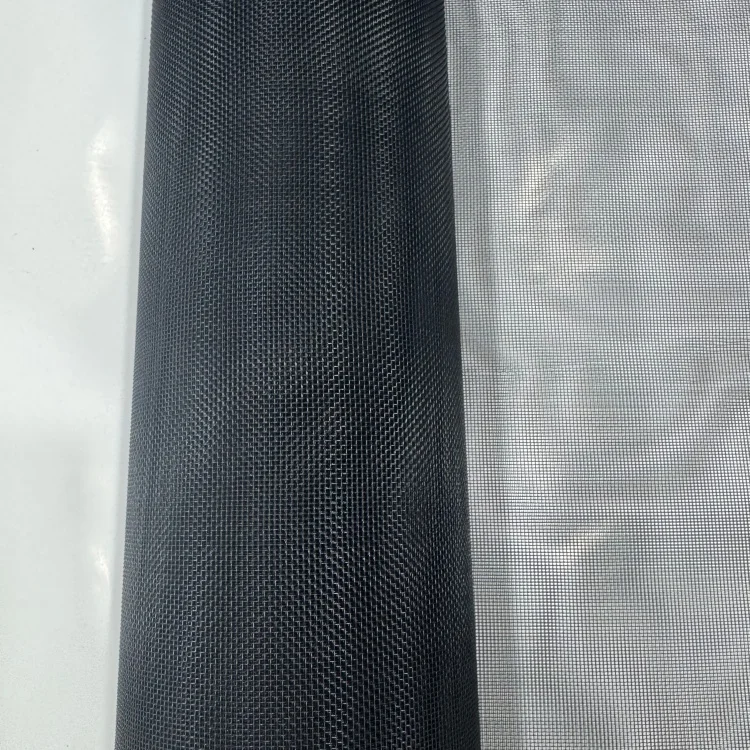
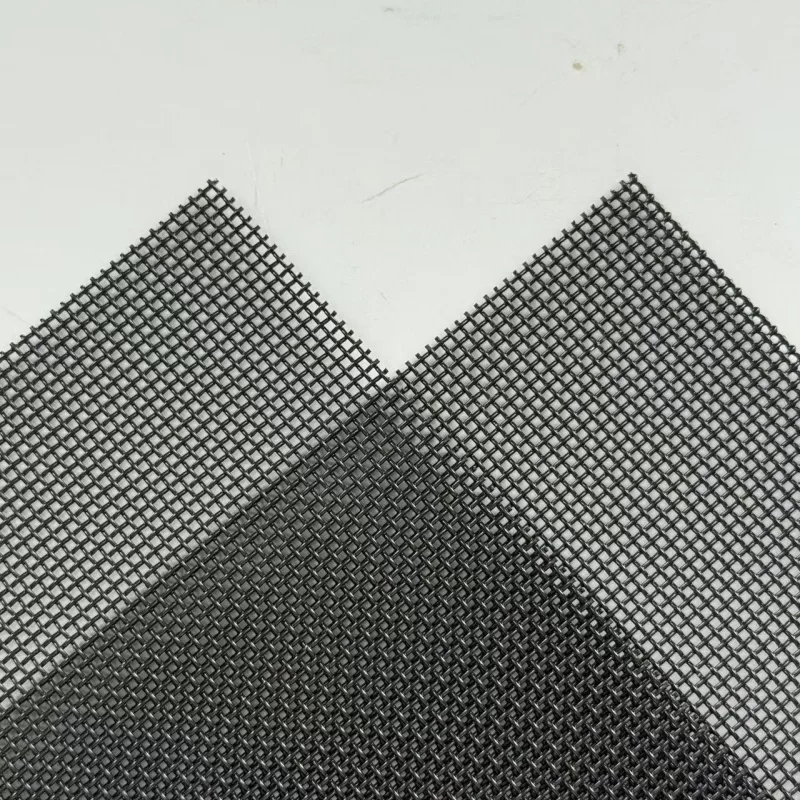
Choosing the right crimped wire mesh is important when a project requires a combination of strength, dimensional stability, accurate openings, and reliable performance. Unlike ordinary woven mesh, crimped mesh uses pre-crimped wires to create a stable and durable structure, making it suitable for screening, filtration, mining, construction, architecture, equipment protection, and many other industrial applications. However, buyers need to consider more than mesh size when selecting a product. Material, wire diameter, crimping pattern, opening size, dimensions, application environment, and even the crimped wire mesh price can all affect the final purchasing decision. This guide explains the key factors buyers should evaluate when choosing crimped wire mesh, from material selection to working conditions and supplier capabilities.
Understanding the Key Features of Crimped Wire Mesh
Crimped wire mesh is manufactured by forming wires into specific crimped patterns before or during the weaving process. The pre-crimped wires interlock with each other to create uniform openings and a relatively rigid mesh structure.
This construction gives crimped wire mesh better dimensional stability than many simple woven mesh structures. The crimped wires can maintain their positions during use, which is particularly valuable when the mesh is subjected to vibration, impact, material pressure, or repeated handling.
Different crimping patterns can be used according to the required performance. The choice may include plain crimp, intermediate crimp, lock crimp, double crimp, and other configurations. Each structure affects the relationship between wire diameter, opening size, strength, and overall mesh stability.
For this reason, buyers should not select crimped wire mesh based solely on the nominal opening. The complete specification needs to match the actual application.

How to Choose Crimped Wire Mesh by Material
Material is one of the first factors to consider when purchasing crimped wire mesh. Different metals provide different levels of strength, corrosion resistance, temperature resistance, electrical conductivity, appearance, and cost.
Material
| Main Characteristics | Typical Applications |
| Stainless Steel | Corrosion resistance, strength, durability
| Screening, filtration, food processing, chemical industries |
Brass
| Conductivity, attractive appearance, good workability
| Decorative mesh, filtration, architecture
|
Carbon Steel
| High strength and cost efficiency
| Mining, screening, heavy-duty applications
|
Galvanized Steel
| Corrosion protection with good strength
| Construction, screening, industrial applications
|
Other Alloys
| Specialized performance | High-temperature or demanding environments |
The operating environment should determine the material rather than price alone. A low-cost material may not be economical if it requires frequent replacement because of corrosion or wear.
Stainless Steel Crimped Wire Mesh
Stainless steel crimped wire mesh is a popular choice when corrosion resistance and mechanical durability are important. Stainless steel can perform reliably in humid environments and many applications involving exposure to moisture or chemicals.
The specific stainless steel grade should also be considered. Different grades provide different levels of corrosion resistance and mechanical performance. Buyers should communicate the operating environment to their supplier so that an appropriate grade can be recommended.
Stainless steel crimped wire mesh is commonly used for industrial screening, mining, aggregate separation, food processing, architectural applications, and equipment protection. Its combination of strength and corrosion resistance makes it suitable for applications where ordinary carbon steel may not provide sufficient service life.
Crimped Brass Wire Mesh
Crimped brass wire mesh offers a different combination of characteristics. Brass provides good electrical conductivity and has a distinctive golden appearance, making it useful for both functional and decorative applications.
In architectural projects, crimped brass wire mesh can be selected when the mesh needs to contribute to the visual character of an interior or façade. It can also be used for filtration, screening, and applications where brass's material characteristics are advantageous.
Because brass has a different hardness and cost structure from stainless steel, buyers should compare the required performance with the expected budget before making a final decision.
Selecting the Right Crimped Wire Mesh Opening
Mesh opening is another critical specification when choosing crimped wire mesh. The opening determines how large the particles or materials passing through the screen can be, while also affecting the open area, airflow, visibility, and overall strength.
A smaller opening can provide more precise screening, but it may reduce open area and increase resistance to material flow. A larger opening can improve throughput and airflow but may not provide sufficient separation for fine materials.
The wire diameter should be considered together with the opening. Increasing wire diameter can improve strength and wear resistance, but it may also reduce the open area of the mesh.
Therefore, buyers should provide the intended screening size, material being processed, expected load, and required separation accuracy when ordering crimped wire mesh.
How Application Determines Crimped Wire Mesh Selection
The intended application should always be considered before finalizing a crimped wire mesh specification. A mesh used for decorative architecture has very different requirements from one used for mining or aggregate screening.
For heavy-duty screening, strength, abrasion resistance, and dimensional stability may be the main priorities. For architectural applications, appearance, surface finish, mesh uniformity, and material color may be more important.
In filtration and separation applications, opening accuracy and consistency become particularly important. In outdoor environments, corrosion resistance may have a greater influence on the choice of material.
This means that there is no universal specification for crimped wire mesh. The right product is the one that provides an appropriate balance between mechanical performance, service life, appearance, and cost for the actual operating conditions.

Understanding Crimped Wire Mesh Price
Crimped wire mesh price varies according to several factors, so buyers should be careful when comparing quotations from different suppliers. A lower unit price does not necessarily mean lower overall purchasing cost if the material, dimensions, or quality are different.
Material is one of the most important factors affecting crimped wire mesh price. Stainless steel and brass generally have different raw material costs from carbon steel or galvanized steel. Wire diameter also affects material consumption, while smaller openings may require more precise manufacturing.
The size of the mesh panel or roll, order quantity, crimping pattern, surface treatment, customization requirements, and packaging can also influence the final crimped wire mesh price.
For an accurate comparison, buyers should request quotations based on the same material grade, wire diameter, opening size, mesh dimensions, quantity, and finishing requirements. This makes it easier to identify the actual value offered by each supplier.
The cheapest crimped wire mesh is not always the most economical choice. If the mesh is exposed to abrasion, impact, moisture, or high temperatures, insufficient material quality can result in premature failure.
A higher-quality mesh may have a higher initial crimped wire mesh price, but its longer service life can reduce replacement, maintenance, and downtime costs.
For industrial applications, buyers should therefore consider total cost rather than simply comparing the initial quotation. Material quality, manufacturing consistency, dimensional accuracy, packaging, delivery reliability, and technical support can all contribute to the overall value of the purchase.
Hebei Xiangguang Metal Net Co., Ltd. has been developing its wire mesh manufacturing expertise since 1989. Over more than 36 years, the company has grown from a local workshop into an experienced manufacturer serving customers in more than 100 countries and regions. Its product range covers stainless steel wire mesh and wire cloth, special alloy wire cloth, brass-copper-bronze mesh and wire cloth, wire mesh filters, Australian security and fly screen mesh, architectural decorative mesh, and stainless steel wire.
With more than 10,000 square meters of factory space and over 100 advanced mechanical equipment units, the company maintains strict quality control from raw materials through finished products. Its experienced professional team can support customers with material selection, specifications, customization, and production requirements. Whether you are looking for stainless steel crimped wire mesh, crimped brass wire mesh, or other customized crimped wire mesh, working with an experienced manufacturer can help you achieve the right balance between performance, service life, and crimped wire mesh price. Contact Hebei Xiangguang Metal Net Co., Ltd. today to discuss your application, confirm the right mesh specifications, and request a competitive quotation.