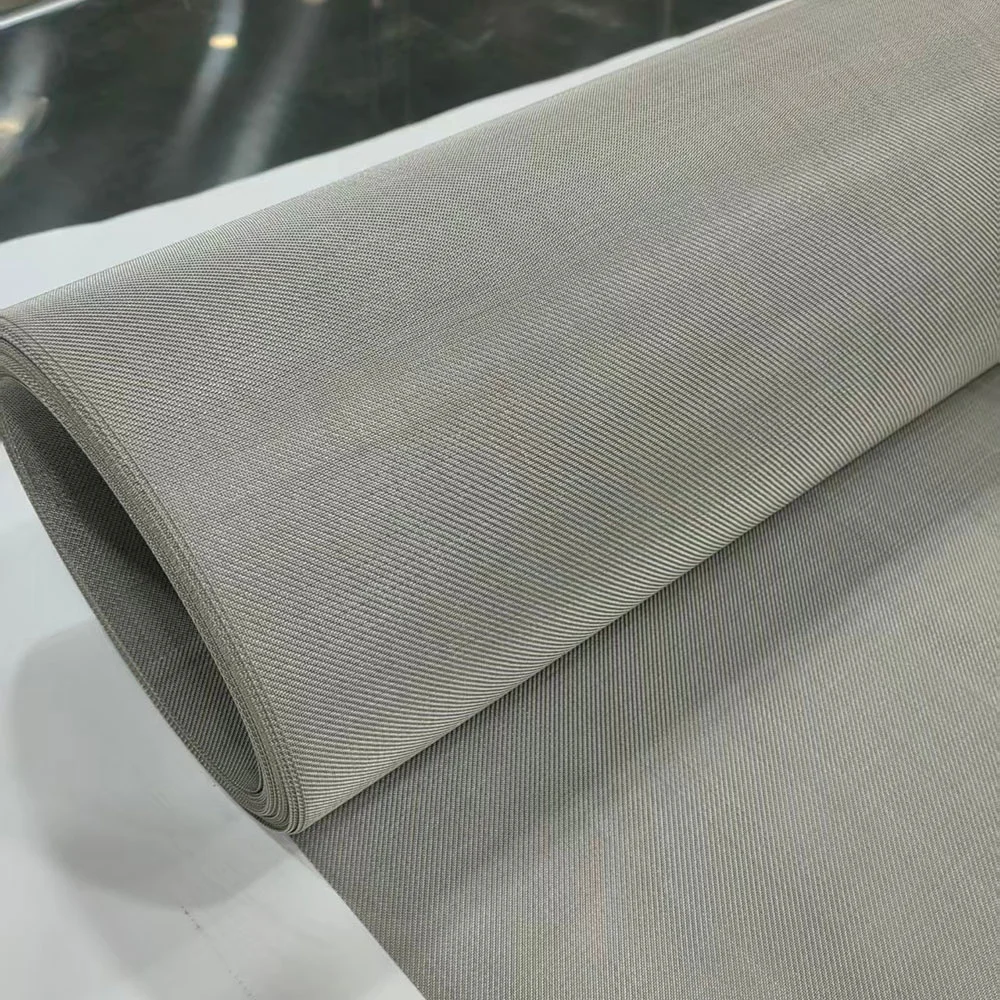
Modern interior and architectural design increasingly requires materials that can combine visual appeal, durability, flexibility, and practical performance. Decorative wire mesh has emerged as a versatile solution for designers, furniture manufacturers, architects, and contractors who want to add texture and character without making a space feel visually enclosed. With its open structure, metallic appearance, and wide range of patterns and finishes, decorative wire mesh can be integrated into cabinet doors, furniture, wall features, room dividers, ceilings, and commercial interiors. It can also serve as architectural mesh in larger design projects where transparency, airflow, and aesthetic value are equally important. From customized decorative mesh panels to furniture inserts, this material provides designers with considerable freedom to create functional spaces with distinctive visual effects.
What Is Decorative Wire Mesh?
Decorative wire mesh is a woven or specially processed metal mesh designed to provide both functional performance and decorative value. Unlike conventional industrial mesh, which is generally selected primarily for filtration, screening, or separation, decorative mesh places greater emphasis on appearance while still retaining the inherent advantages of metal materials.
Depending on the intended application, decorative wire mesh can be manufactured from stainless steel, brass, copper, aluminum, and other metal materials. Different wire diameters, mesh openings, weaving patterns, and surface finishes can create significantly different visual effects.
The open structure of decorative wire mesh allows light and air to pass through while creating a certain degree of visual separation. This makes it particularly suitable for interior spaces where designers want to divide areas without using completely solid walls or panels.

Why Decorative Wire Mesh Is Ideal for Modern Interior Design
Decorative Wire Mesh Creates Visual Texture
One of the main advantages of decorative wire mesh is its ability to introduce texture into an interior without overwhelming the surrounding design. The woven structure creates subtle lines, patterns, shadows, and reflections that can make otherwise plain surfaces more visually interesting.
Depending on the mesh pattern and material finish, decorative wire mesh can support modern, industrial, minimalist, vintage, or luxury design styles. A fine mesh can provide a refined and elegant appearance, while a larger opening can create a stronger geometric effect.
The metallic surface also interacts with natural and artificial light. As lighting conditions change, the mesh can produce different levels of reflection and shadow, helping create depth within an interior space.
Decorative Wire Mesh Balances Openness and Privacy
Solid partitions can completely block visibility and natural light, while completely open spaces may provide insufficient separation. Decorative wire mesh offers a practical middle ground.
Its semi-transparent structure allows designers to create visual boundaries while maintaining a sense of openness. This characteristic is particularly valuable in hotels, restaurants, offices, retail stores, and residential interiors where spatial separation is required without making the environment feel closed.
For these applications, decorative wire mesh can function as a room divider, decorative screen, reception backdrop, or feature wall while contributing to the overall architectural concept.
How Decorative Wire Mesh for Cabinet Doors Improves Furniture Design
Decorative Wire Mesh for Cabinet Doors Adds a Distinctive Appearance
Furniture is one of the most practical applications for decorative wire mesh. In particular, decorative wire mesh for cabinet doors can transform ordinary furniture into a visually distinctive design feature.
Traditional solid cabinet doors conceal everything behind them, while glass doors can provide too much visibility. Decorative wire mesh for cabinet doors offers an alternative that provides partial visibility while maintaining a stronger sense of texture and privacy.
The metallic appearance of the mesh can complement wood, glass, stone, painted panels, and other furniture materials. This allows furniture designers to combine different textures and colors within a single product.
Decorative Wire Mesh for Cabinet Doors Supports Ventilation
In addition to its appearance, decorative wire mesh for cabinet doors can improve air circulation. The open mesh structure allows air to move through the cabinet instead of creating a completely enclosed environment.
This can be useful for cabinets used to store kitchenware, electronics, decorative objects, beverages, or other items that may benefit from ventilation. As a result, decorative wire mesh can provide both an aesthetic and functional improvement to furniture design.
Decorative Wire Mesh Can Be Customized for Furniture Projects
Furniture manufacturers often need materials that can be adapted to different door sizes and frame structures. Decorative wire mesh can be supplied in rolls, sheets, or customized sections and can be cut to suit different furniture designs.
For larger production projects, manufacturers can specify mesh opening, wire diameter, material, finish, and dimensions according to the final cabinet design. This flexibility makes decorative wire mesh for cabinet doors suitable for both customized furniture and larger-scale manufacturing.
The Role of Decorative Mesh Panels in Interior Applications
Decorative Mesh Panels Create Flexible Design Solutions
Decorative mesh panels provide a convenient way to integrate mesh into walls, partitions, furniture systems, and architectural structures. Compared with loose mesh material, panels can be fabricated to predetermined dimensions, making installation and project planning more convenient.
In commercial interiors, decorative mesh panels can be used as room dividers, wall features, display backgrounds, reception elements, or ceiling installations. Their open structure helps maintain visual continuity between different areas while creating a clear design boundary.
The panels can also be combined with frames made from metal, wood, or other materials. This allows architects and interior designers to develop customized compositions according to the requirements of each project.
Decorative Mesh Panels Enhance Commercial Interiors
Retail stores, hotels, restaurants, offices, and exhibition spaces often require interior elements that are visually attractive but also durable enough for frequent use. Decorative mesh panels can meet these requirements by providing a combination of structural stability and decorative appearance.
For example, mesh panels can be installed behind reception desks, around display areas, or between seating zones. The resulting visual separation maintains an open atmosphere while adding a recognizable design element.
How Architectural Mesh Extends Decorative Applications
Architectural Mesh Combines Design and Function
In larger construction and architectural projects, architectural mesh provides opportunities to use metal mesh beyond traditional interior decoration. It can be incorporated into façades, ceilings, partitions, balustrades, feature walls, and other architectural elements.
The open structure of architectural mesh allows designers to control transparency, light transmission, airflow, and visual density. This makes it particularly valuable in contemporary architecture, where functional requirements and visual design are increasingly interconnected.
While decorative applications remain important, architectural mesh can also contribute to practical building performance. Depending on the material and installation method, it may help create shading, screening, ventilation, or protective barriers.
Architectural Mesh Provides Design Flexibility
Different weaving patterns can produce different levels of transparency and visual weight. Architects can therefore select architectural mesh according to the desired appearance and functional requirements of a building.
Stainless steel mesh, brass mesh, copper mesh, and other metal options can create different visual effects. Surface finishes can further influence how the material interacts with lighting and surrounding architectural elements.

With more than 36 years of manufacturing experience since 1989, Hebei Xiangguang Metal Net Co., Ltd. has developed from a local workshop into an experienced wire mesh manufacturer serving customers in more than 100 countries and regions worldwide. Our product range includes stainless steel wire mesh, special alloy wire cloth, brass-copper-bronze mesh and wire cloth, wire mesh filters, security and fly screen mesh, and architectural decorative mesh. Supported by more than 100 advanced mechanical equipment units and more than 10,000 square meters of factory space, we maintain strict quality control from raw materials to finished products. Whether you are looking for decorative wire mesh, customized decorative wire mesh for cabinet doors, large-format decorative mesh panels, or specialized architectural mesh, our professional team can provide suitable solutions based on your design and application requirements. Contact Hebei Xiangguang Metal Net Co., Ltd. today to discuss your project, request customized specifications, and get a competitive quotation from experienced decorative wire mesh suppliers.
FAQ About Decorative Wire Mesh
What is decorative wire mesh used for?
Decorative wire mesh is used for cabinet doors, furniture, room dividers, wall decoration, ceilings, retail displays, hotel interiors, architectural features, and other applications where visual appeal and practical performance are both important.
What is decorative wire mesh for cabinet doors?
Decorative wire mesh for cabinet doors is metal mesh designed to replace or complement solid cabinet door inserts. It provides partial visibility, ventilation, texture, and a distinctive metallic appearance while allowing manufacturers to create customized furniture designs.
What are decorative mesh panels used for?
Decorative mesh panels are commonly used for interior partitions, feature walls, reception areas, display backgrounds, furniture, ceilings, and commercial interiors. They provide visual separation while maintaining airflow and a sense of openness.
How is architectural mesh different from ordinary decorative wire mesh?
Architectural mesh is generally developed for larger architectural and construction applications and may require additional considerations such as structural strength, environmental resistance, transparency, and installation. Decorative wire mesh is more broadly used for furniture and interior decoration, although the two categories can overlap.
How should I choose decorative wire mesh suppliers?
When comparing decorative wire mesh suppliers, consider manufacturing experience, material quality, production equipment, dimensional accuracy, customization capabilities, surface finishing options, quality control, and international export experience. A supplier with strong customization and manufacturing capabilities can provide more consistent solutions for furniture and architectural projects.