Hit enter to search or ESC to close
8 January 2026
Stainless steel wire is a premium metal material widely used in textile fabrics, industrial filtration, architectural decoration, and precision devices. Compared with ordinary steel wire, stainless steel wire offers higher corrosion resistance, stable mechanical strength, and long service life, making it suitable for demanding industrial, medical, and architectural applications.
Types of stainless steel wire are classified based on alloy composition, diameter, and application requirements. Common grades such as 304, 316, and 316L stainless steel wire are widely used for weaving mesh, producing protective fabrics, and manufacturing precision components.
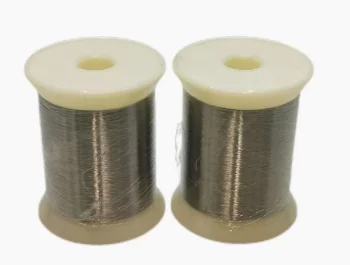
In textile applications, stainless steel wire is often drawn into ultra-fine diameters and combined with synthetic fibers to produce high-performance textile fabrics. These materials are widely used in cut-resistant gloves, protective clothing, and specialty industrial textiles where durability and safety are critical.
Stainless steel wire plays a key role in the production of protective fabrics and cut-resistant gloves. Fine stainless steel wire filaments are integrated into woven or knitted structures to improve resistance to cutting, abrasion, and tearing.
Thanks to its stable tensile strength and corrosion resistance, stainless steel wire maintains consistent performance even in humid, oily, or chemically exposed environments. This makes it ideal for safety gloves used in manufacturing, food processing, medical handling, and mechanical maintenance.
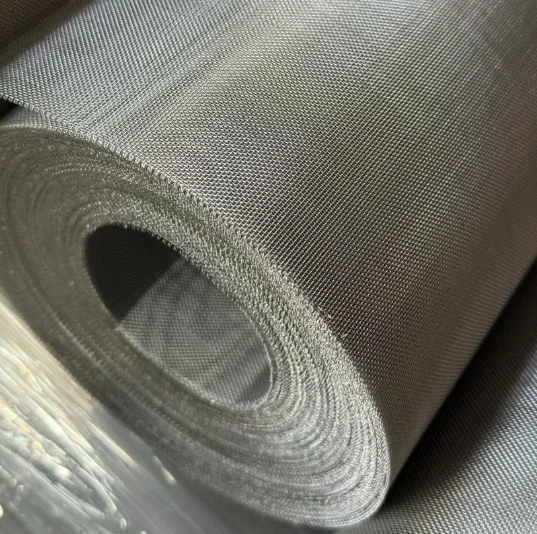
The production of stainless steel wire mesh follows a strict step-by-step process to ensure quality and consistency.
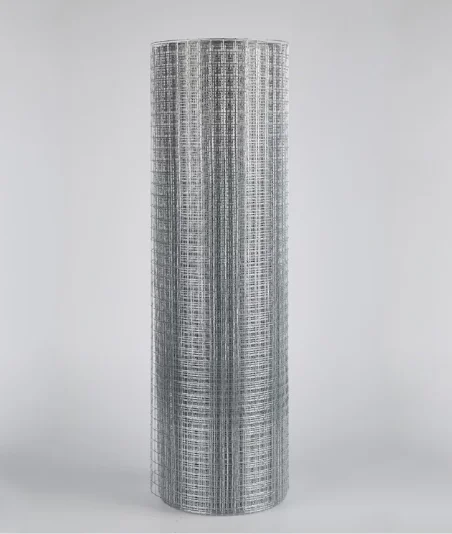
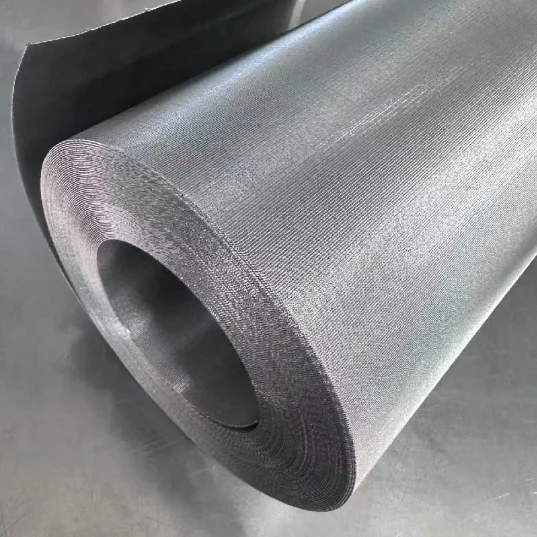
First, stainless steel wire is drawn to precise diameters according to mesh specifications. Then, surface treatment processes such as polishing or pickling improve smoothness and corrosion resistance. After that, the wire is woven or welded into stainless steel wire mesh with controlled aperture sizes. Finally, the mesh is cut, flattened, and finished into rolls or panels for different applications.
This controlled process ensures that stainless steel wire mesh delivers reliable performance in filtration, screening, and architectural uses.
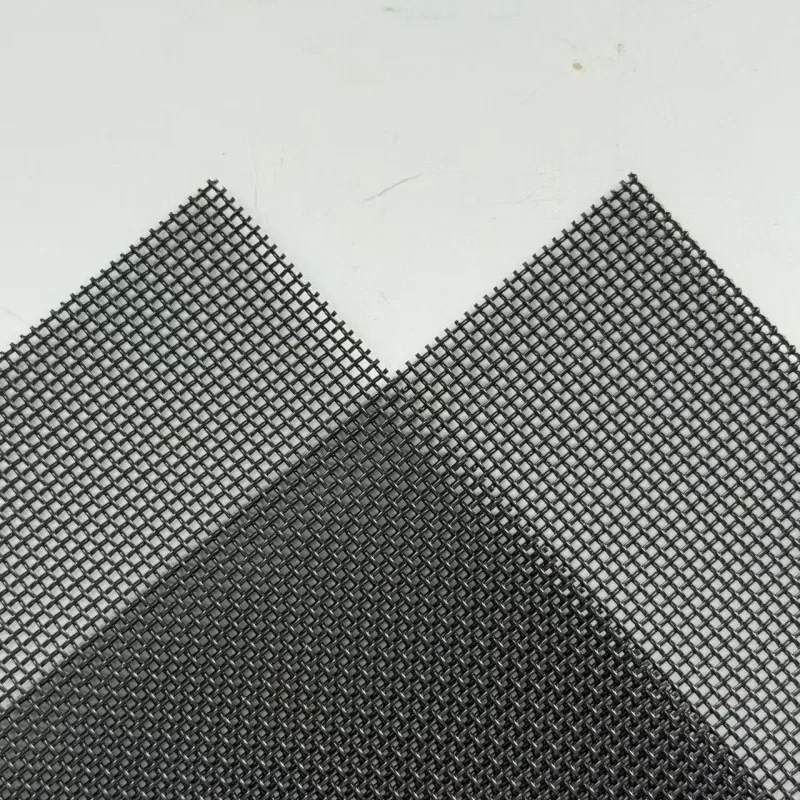
Unlike low-cost iron or carbon steel wire fencing, stainless steel wire mesh is positioned for high-end architectural fence and decorative applications. It is commonly used in commercial buildings, luxury residences, public spaces, and modern landscape projects.
Stainless steel wire mesh fences combine functionality with aesthetics. They provide security, visibility, and airflow while maintaining a clean, modern appearance. Typical applications include architectural facades, decorative partitions, balcony enclosures, and premium perimeter fencing where durability and design quality are essential.
Stainless steel wire mesh is widely used across multiple industries due to its excellent filtration performance and structural stability.
In industrial filtration, stainless steel wire mesh is used in oil and gas, chemical processing, water treatment, and pharmaceutical production. In mining and quarrying, stainless steel wire mesh is used for screening ores, aggregates, and coal. The food and beverage industry relies on stainless steel wire mesh for sieving equipment, drying racks, brewing systems, and dairy filtration.
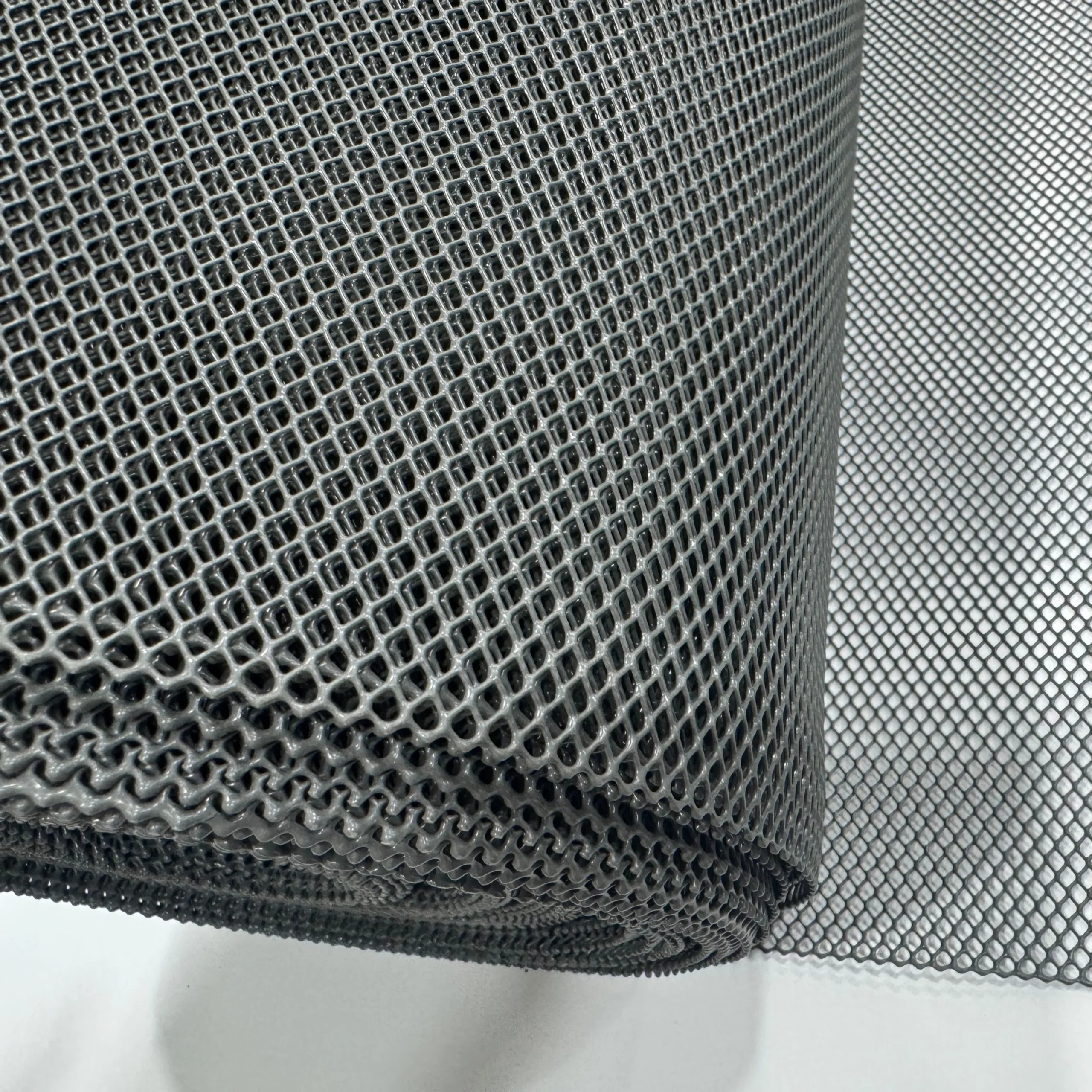
Additional applications include agricultural grain sieves and insect screens, automotive and aerospace fuel filters, environmental wastewater filtration, EMI and RFI shielding in electronics, machine guards, protective fencing, and laboratory particle analysis sieves.
Stainless steel MIG wire is primarily used in precision welding applications where clean weld seams and corrosion resistance are required. It is widely applied in welding stainless steel wire mesh frames, filtration housings, and architectural components.
By using stainless steel MIG wire, manufacturers ensure strong joints, uniform appearance, and long-term structural reliability in mesh-based products.
Compared with ordinary steel wire, stainless steel wire offers superior resistance to rust, oxidation, and chemical corrosion. It maintains mechanical strength over long periods and performs reliably in harsh environments.
These advantages make stainless steel wire the preferred choice for high-value applications such as industrial filtration, protective textiles, medical devices, and architectural decoration, where quality and durability are more important than low initial cost.
The most common types of stainless steel wire for mesh include 304, 316, and 316L, selected based on corrosion resistance and application requirements.
Yes, fine stainless steel wire is widely used in cut-resistant gloves and protective fabrics due to its high tensile strength and durability.
Stainless steel wire is mainly used for weaving mesh and textile applications, while stainless steel MIG wire is designed for welding and fabrication purposes.