Hit enter to search or ESC to close
8 January 2026
Choosing the right stainless steel wire mesh is essential for both industrial and everyday applications. Whether you are building filtration systems, protective barriers, or architectural installations, selecting the correct grade—304 stainless steel wire mesh or 316 stainless steel mesh screen—can greatly influence durability, corrosion resistance, and overall cost-efficiency. Customers often ask which material is suitable for their specific needs, and this guide provides a clear analysis of 304 and 316 stainless steel wire meshes, helping you make an informed choice.
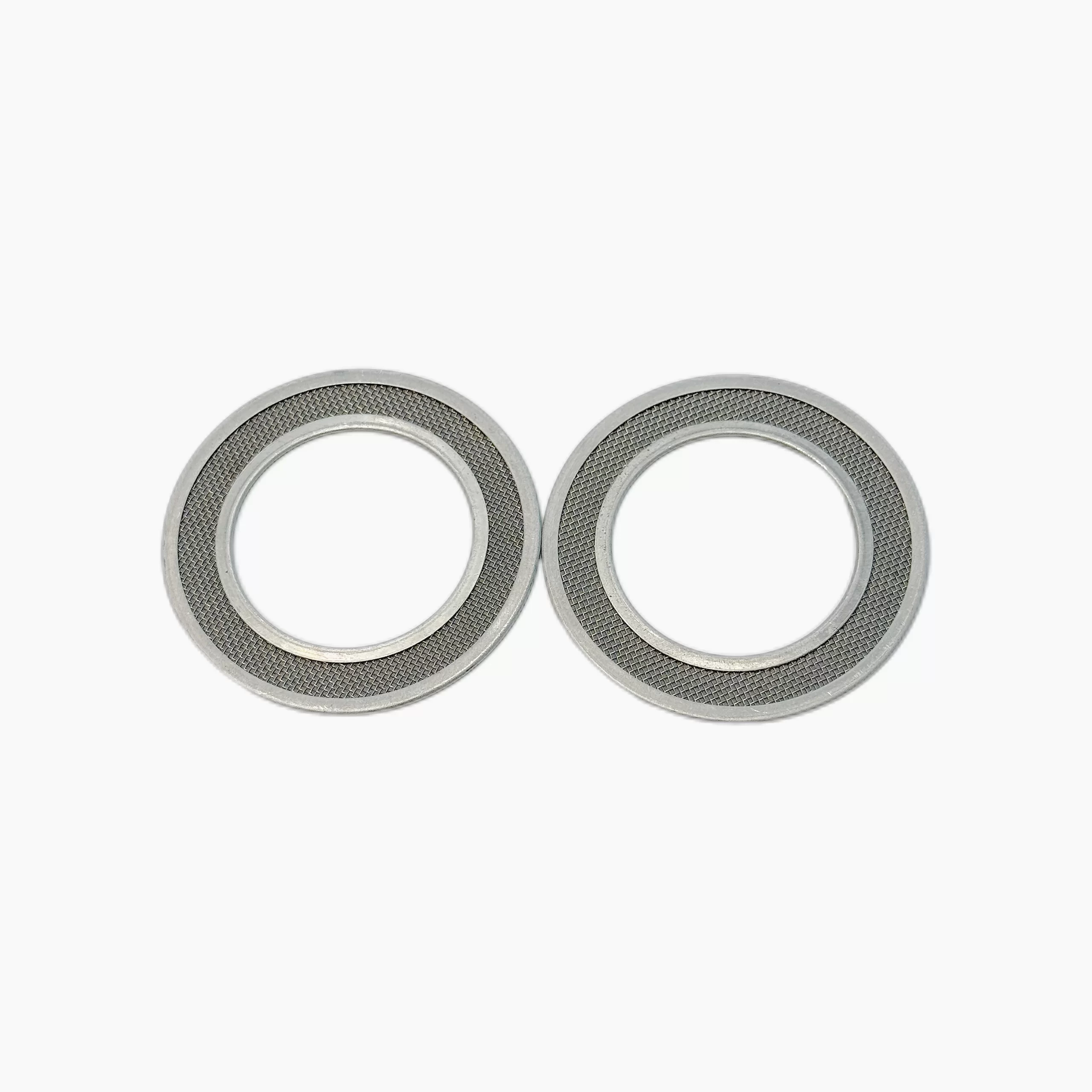
Stainless steel sieve mesh is widely used in industries such as food processing, pharmaceutical production, chemical filtering, and water treatment. Its primary function is to separate, filter, or strain materials with precision.
Stainless steel sieve mesh made from 304 or 316 grades provides excellent corrosion resistance, high-temperature stability, and mechanical strength. In daily applications, this mesh is also used for window screens, industrial barriers, and precision sieving. Choosing the right stainless steel sieve mesh ensures that your filtration system performs efficiently, remains durable, and does not fail prematurely under demanding conditions.
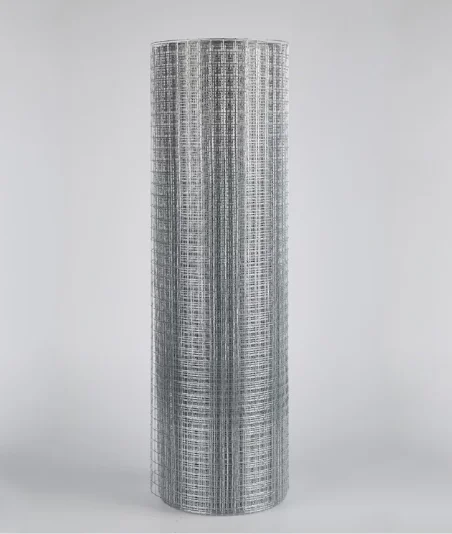
Stainless steel cable mesh is another widely used mesh type that combines strength with flexibility. It is often employed in architectural safety barriers, fencing, and industrial protective panels.
Using stainless steel cable mesh, you can achieve secure installations that resist deformation and corrosion. 304 grade is suitable for most industrial and commercial settings, while 316 grade is ideal for marine, chemical, or high-salinity environments. Stainless steel cable mesh ensures that doors, windows, and barriers maintain both functionality and aesthetic appeal over time.
304 stainless steel wire mesh is ideal for environments with moderate corrosion risks. Its main advantages include:
High tensile strength suitable for general filtration, protective panels, and architectural installations
Good resistance to air, fresh water, and standard industrial chemical exposure
Cost-effective solution for food processing, industrial filtration, and building protection
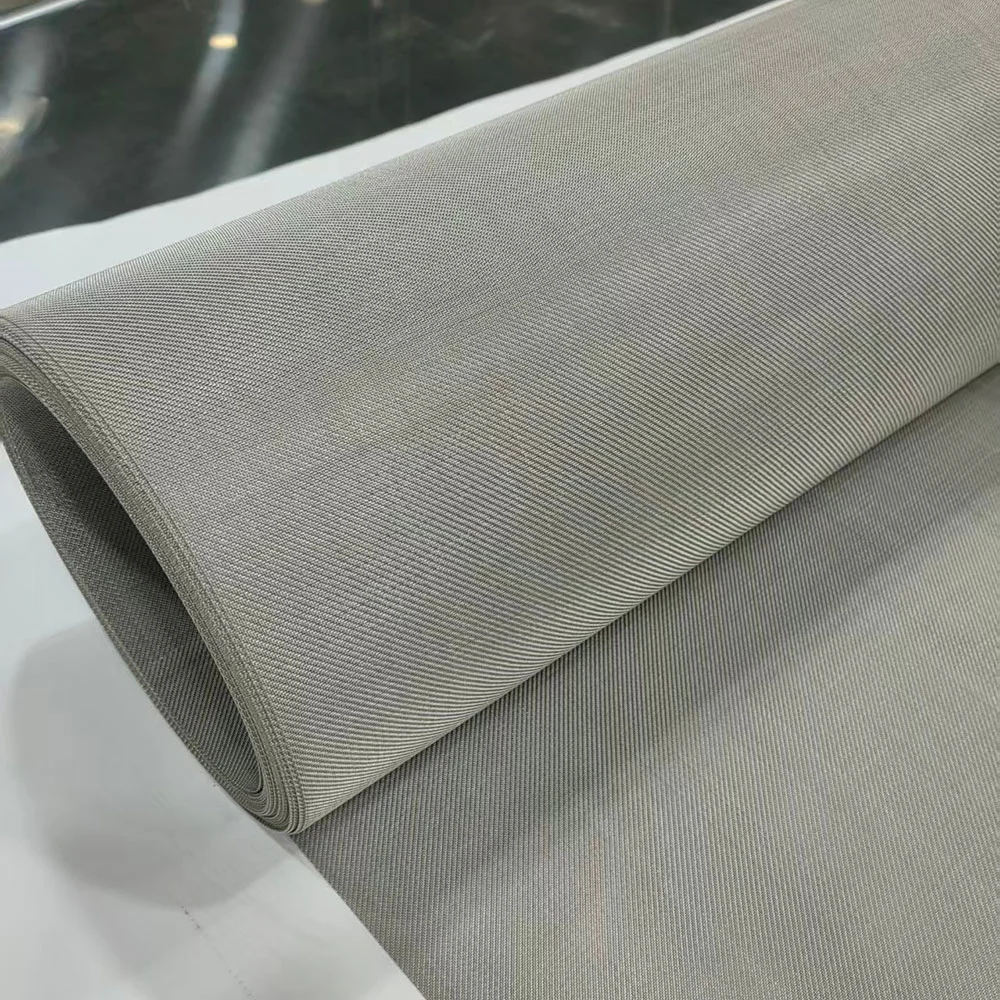
304 stainless steel wire mesh is commonly used in sieving powders, filtering liquids, and providing protective screens in commercial kitchens, laboratories, and industrial plants. The moderate corrosion resistance and strong mechanical properties make 304 stainless steel mesh a practical choice for most standard applications.
Food Processing: Filtering flour, sugar, and grains
Beverage Industry: Straining liquids during brewing or juice production
Water Treatment: Pre-filtration of sediment and debris
Construction: Window screens and protective panels
General Industrial Use: Air filtration, dust collection, and particle separation
The affordability and versatility of 304 stainless steel wire mesh make it a preferred option where high-level corrosion resistance is not critical.
316 stainless steel mesh screen offers enhanced resistance against corrosion, acids, and chlorides, making it ideal for harsh environments. Key benefits include:
Exceptional resistance to marine, chemical, and high-acidity environments
Superior stability under high temperatures
Longer service life in aggressive industrial applications
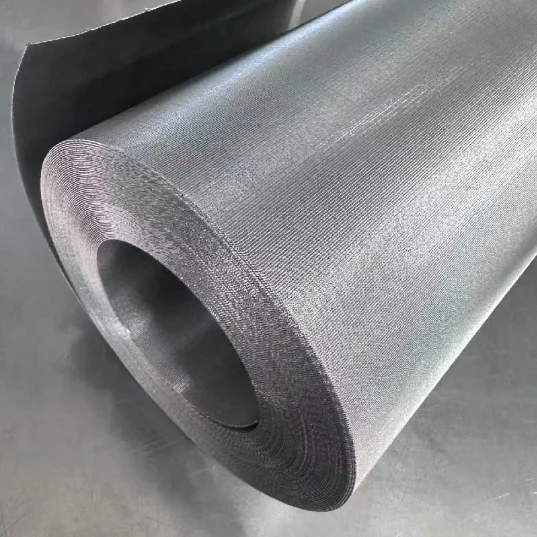
316 stainless steel mesh screen is often applied in chemical plants, pharmaceutical filtration, seawater processing, petrochemical refining, and high-precision industrial filters. Its durability and precision ensure consistent performance, even under extreme environmental conditions.
Chemical Industry: Filtering strong acids, bases, and solvents
Pharmaceutical Industry: Precise sieving of powders and liquid filtration
Marine Applications: Seawater filtration and protective barriers for coastal installations
Oil and Gas: Refinery filtration and high-pressure liquid separation
Precision Industrial Filtration: Ensures longevity and reliability in harsh environments
Selecting 316 stainless steel mesh screen guarantees minimal maintenance and longer replacement cycles, saving both labor and costs over time.
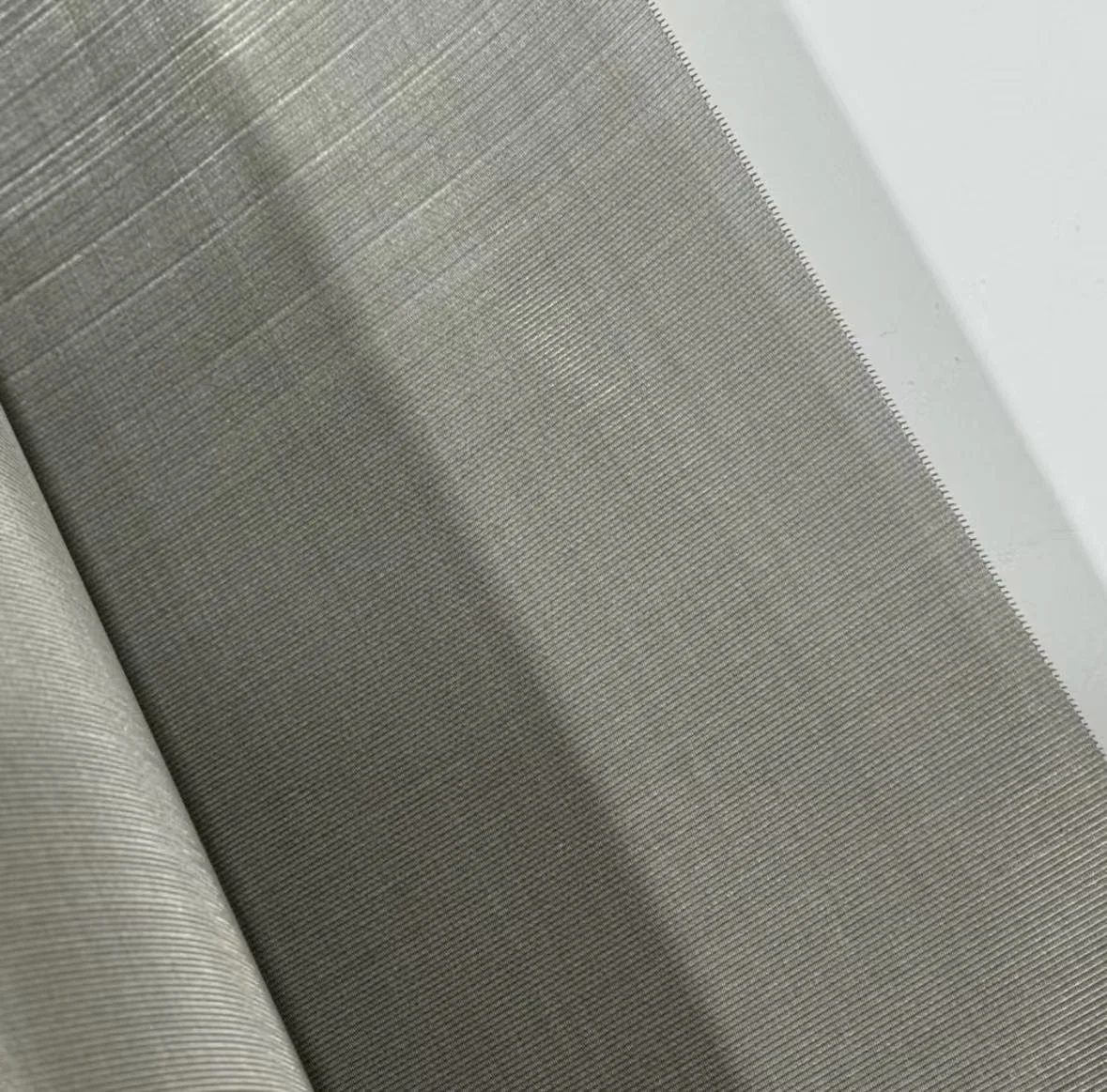
When choosing stainless steel screen wire, customers should consider the following factors:
Environmental Conditions: Choose 304 for moderate conditions, 316 for corrosive, high-salinity, or chemical-heavy environments
Mesh Aperture and Wire Diameter: Ensure the mesh size fits the filtration or protective requirements
Application Purpose: Industrial filtration, architectural screens, marine protection, or chemical separation
Surface Treatment: Polished, coated, or untreated surfaces depending on exposure
Customization Needs: Some applications may require custom weave types, mesh sizes, or wire diameters
Proper selection of stainless steel screen wire ensures reliable performance, reduced maintenance, and long-term efficiency.
Feature | 304 Stainless Steel Wire Mesh | 316 Stainless Steel Mesh Screen |
Corrosion Resistance | Moderate (air, freshwater, standard chemicals) | High (marine, acids, bases, high-salinity environments) |
High-Temperature Stability | Good | Excellent |
Strength | High, suitable for general industrial use | Very high, suitable for high-pressure and precise filtration |
Lifespan | Moderate, cost-effective | Long-lasting, ideal for harsh conditions |
Typical Applications | Food, beverage, general filtration, window screens | Chemical plants, pharmaceuticals, marine, oil refining |
This table helps visualize the performance differences, aiding customers in selecting the correct mesh type for their needs.
Corrosion Resistance: Both 304 and 316 withstand corrosion, with 316 suitable for extreme conditions
High-Temperature Resistance: Retains strength in hot environments
Durability: Resistant to wear, deformation, and frequent use
Easy Maintenance: Smooth surfaces simplify cleaning
Versatility: Suitable for filtration, protective screens, architectural design, and industrial applications
Choosing the correct stainless steel sieve mesh ensures efficiency, longevity, and cost savings.
304 stainless steel is suitable for general industrial and commercial applications, while 316 stainless steel provides superior corrosion resistance for marine, chemical, and high-acid environments.
Stainless steel sieve mesh is applied in food processing, pharmaceutical filtration, chemical industries, water treatment, and architectural protection.
Stainless steel cable mesh is strong, flexible, and durable, making it ideal for architectural safety barriers, industrial protective panels, and filtration systems.
Select based on environmental conditions, mesh size, wire diameter, and the specific filtration or protective application. 304 is cost-effective for general use, while 316 is suitable for harsh conditions.
Our products undergo spectrometer inspection before shipment to ensure accurate chemical composition and performance compliance. Visit our website to browse specifications, request samples, and place orders for highly durable and reliable stainless steel meshes.
We professionally supply stainless steel wire meshes in grades 304, 304L, 316, and 316L, extensively applied in petrochemical refining, food and beverage processing, water treatment, pharmaceutical filtration, and architectural protection; advantages include ample in-stock inventory enabling prompt delivery, with spectrometer material inspection conducted before each shipment to ensure accurate chemical composition and performance compliance, providing customers with highly durable and reliable products.
Choosing the correct grade—304 stainless steel wire mesh or 316 stainless steel mesh screen—ensures long-term performance, reduces maintenance costs, and provides reliable protection in industrial and commercial applications. Explore our website to see our full range of products, request samples, or place your order today for high-quality, durable stainless steel meshes.