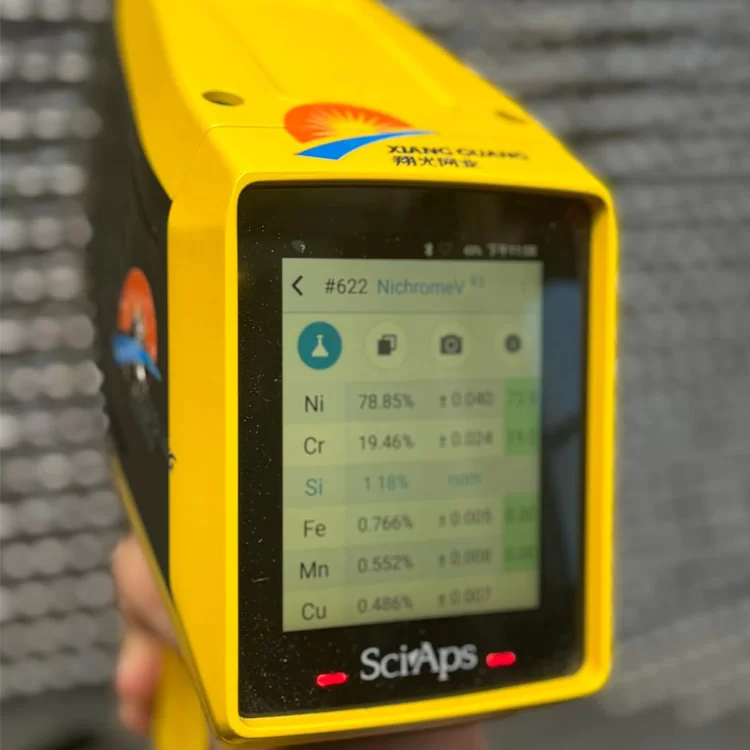
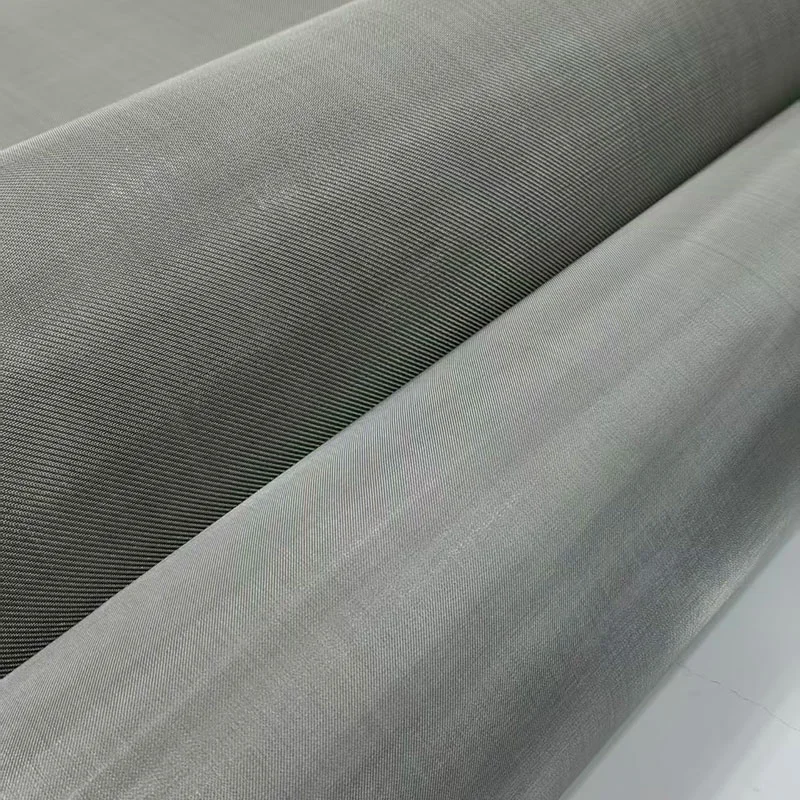
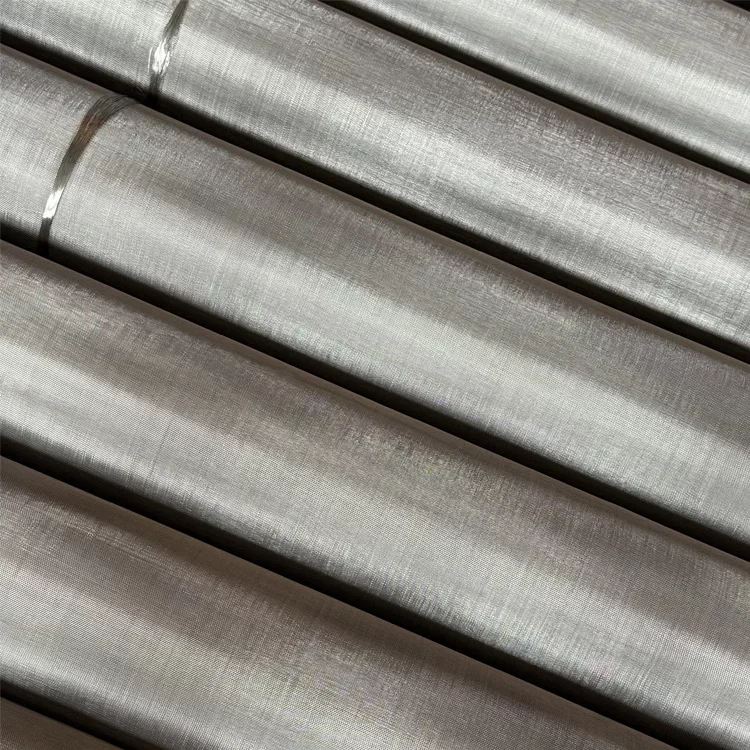
If you’ve ever spec’d filtration or a façade, you’ve bumped into [stainless steel woven wire mesh panels, woven stainless steel mesh, stainless woven mesh, stainless steel woven wire mesh price, stainless steel woven screen]. I’ve toured mills from Anping to Antwerp, and—honestly—the biggest surprise is how much performance comes down to weave precision and post-processing, not just the alloy stamp on the coil.
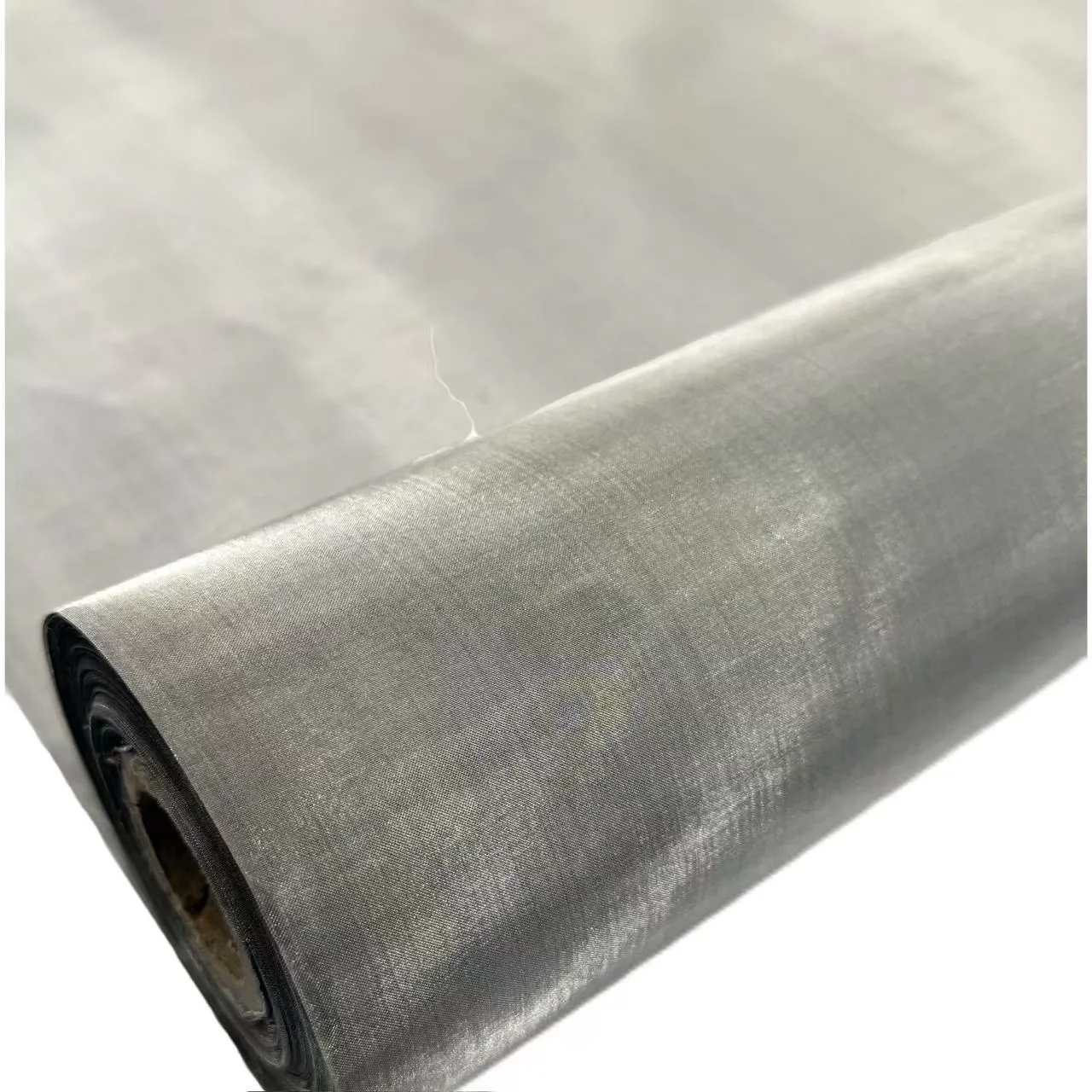
What’s trending now
· Shift to 316/316L for chloride-heavy sites; duplex picks up for high pressure.
· Architects love larger open-area meshes with electropolished finishes for daylighting.
· Procurement teams want traceability: heat numbers, ISO 9001, and third-party test data.
Process flow (condensed, but real)
Materials: 304/316 as standard; duplex/904L for aggressive media. Methods: CNC warping → CNC shuttle or rapier weaving (plain, twill, Dutch, five-heddle) → tension leveling → anneal/electropolish/passivation (as needed). Testing: mesh count per ASTM E2016, aperture checks via optical scanner, wire tensile to ASTM A580, flatness, and salt-spray (typ. 316 ≥ 500 h ASTM B117, real-world use may vary). Service life: ≈ 15–25 years outdoors in 316 coastal use; >25 years indoor; harsh acids shorten that—choose alloy wisely.
Key specifications
Mesh/Weave | Wire Ø (mm) | Opening (mm) | Open Area ≈ | Alloy | Typical Use |
10×10, Plain | 0.50 | 2.04 | ≈ 65% | 304/316 | Screens, guards |
60×60, Twill | 0.16 | 0.26 | ≈ 40% | 316L | Fine filtration |
Dutch, Twill | 0.45/0.28 | Micron-rated | — | 316/904L | High ΔP filters |
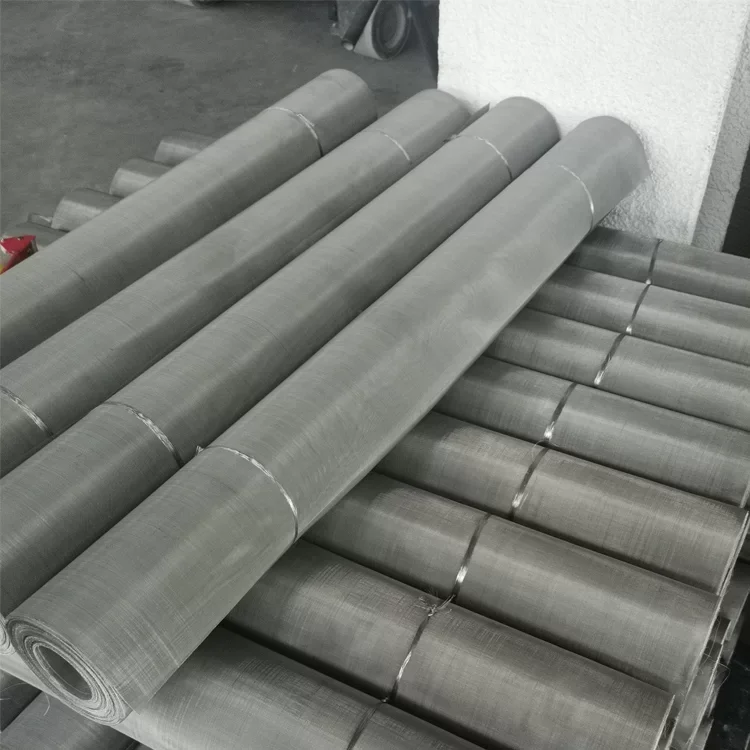
Applications and advantages
· Industrial filtration: oil & gas, chemical dosing, CIP skids.
· Architecture: façades, balustrades, sunscreens—easy to clean.
· Food/pharma: sieving and drying—electropolish helps hygiene.
· EMI/RFI shielding and battery support grids in electronics.
· Strength, corrosion resistance, and stable apertures under load.
Who to buy from? A quick vendor snapshot
Vendor | Certs | Lead Time | Customization | QC/Testing |
Hebei Xiangguang (TopMetalMesh) | ISO 9001; RoHS/REACH on request | 7–15 days | Weave, alloy, finish, panels | ASTM E2016, optical aperture scans |
Global Trader A | Basic ISO | 15–30 days | Limited sizes | Spot checks |
Regional Fabricator B | ISO pending | Stock only | Cut-to-length | Basic gauges |
Customization, pricing, and real feedback
As stainless steel woven wire mesh manufacturers go, the best ones offer panel framing, laser cutting, passivation, and electropolishing. On [stainless steel woven wire mesh panels, woven stainless steel mesh, stainless woven mesh, stainless steel woven wire mesh price, stainless steel woven screen], typical factory-direct pricing ranges from around $3–$25/m² for coarse 304 to $60–$180/m² for fine 316L Dutch weaves (thickness, finish, and order size affect it—ask for a test panel). Many customers say small sample rolls helped them lock aperture and finish before PO—smart move, I’d say.
Two quick case notes
· Coastal façade, 316L plain weave, electropolished: no tea staining after 18 months; field wash every 6 months; Δ gloss minimal.
· Bioreactor vent filter, twill Dutch 316L: held 3.2 bar ΔP; particle hold-down verified at D90=6 μm; CIP cycles > 250 without fray.
Standards and compliance
Produced to ISO 9044 and ASTM E2016; wire to ASTM A580/A580M. Corrosion benchmarking via ASTM B117; optional material traceability (EN 10204 3.1). Food-contact projects often request FDA/EC 1935/2004 conformance statements—confirm per lot.
If you need a fast, audit-ready submittal, ask for alloy certs, mesh maps, and finish reports in one PDF. Saves everyone time, I promise.
Authoritative references
1. ASTM E2016 – Standard Specification for Industrial Wire Cloth
2. ISO 9044 – Industrial Wire Screens and Woven Wire Cloth
3. ASTM A580/A580M – Stainless Steel Wire
4. ASTM B117 – Standard Practice for Salt Spray (Fog) Testing