Hit enter to search or ESC to close
28 October 2025
I’ve spent the past month talking with fabricators and buyers who live and breathe welded mesh. The consensus? Demand is up, specs are tighter, and coastal projects keep asking for 316. If you’re skimming, start here: stainless steel welded wire mesh panel, 316 stainless steel welded wire mesh, stainless steel welded wire mesh panels, stainless steel welded mesh. That’s the product family people are shortlisting for corrosion-critical jobs.
Trend watch: automated resistance welding has gotten smarter (closed-loop control, better heat balance), nickel price volatility nudges buyers to plan further out, and ESG audits mean traceable stainless grades (304/316) with cleaner finishing like passivation or electropolishing. To be honest, the surprise is how often 316 beats cost objections once lifecycle costs are put on the table.
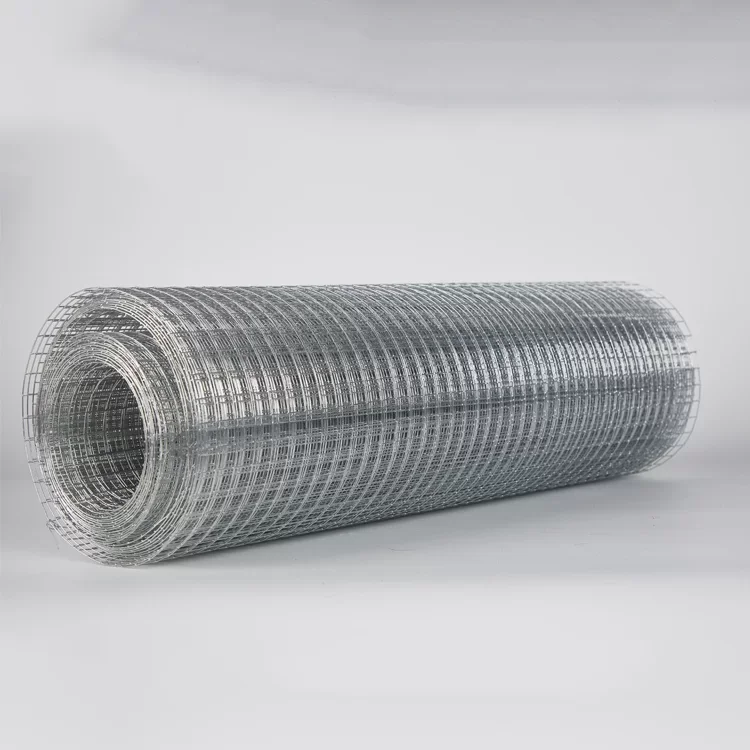
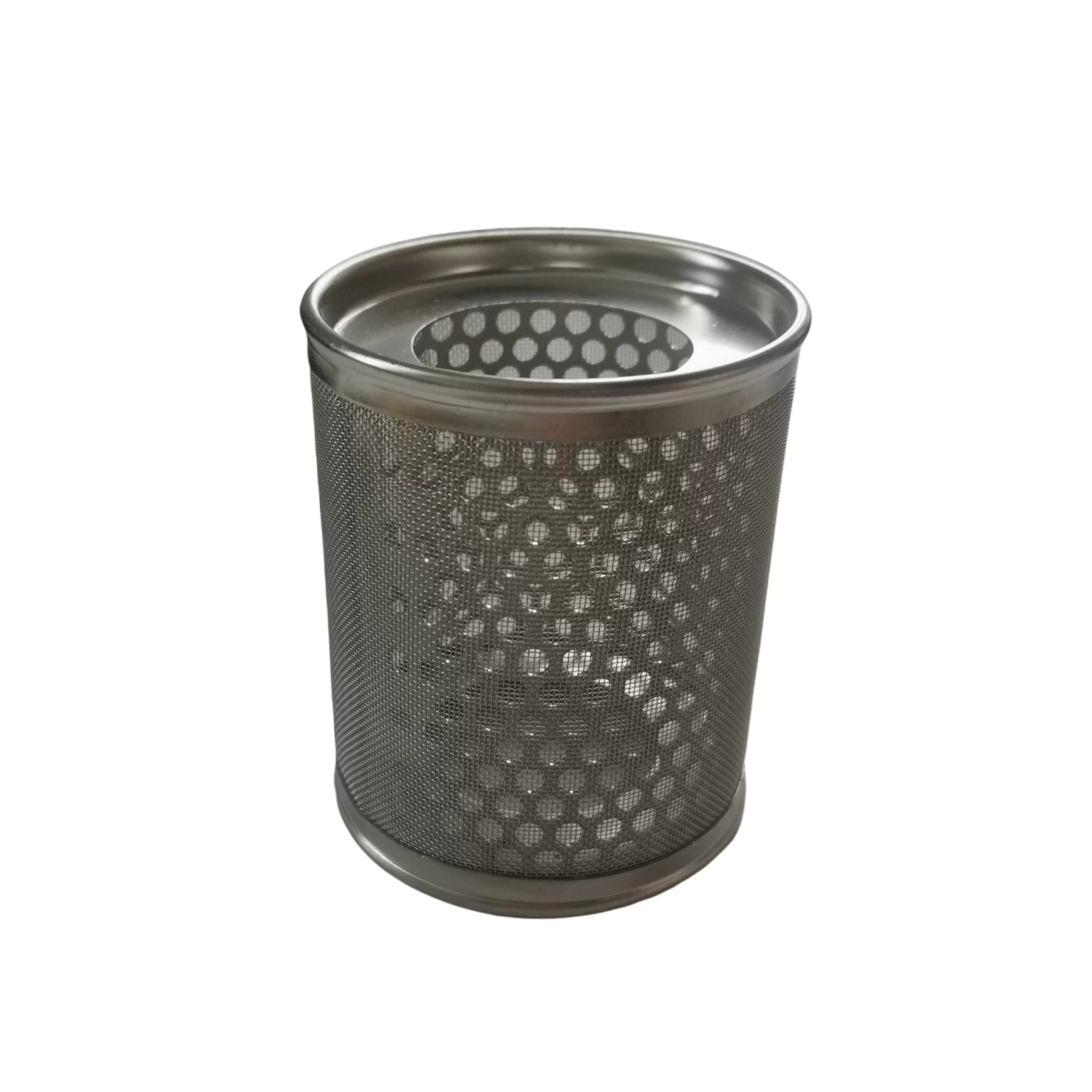
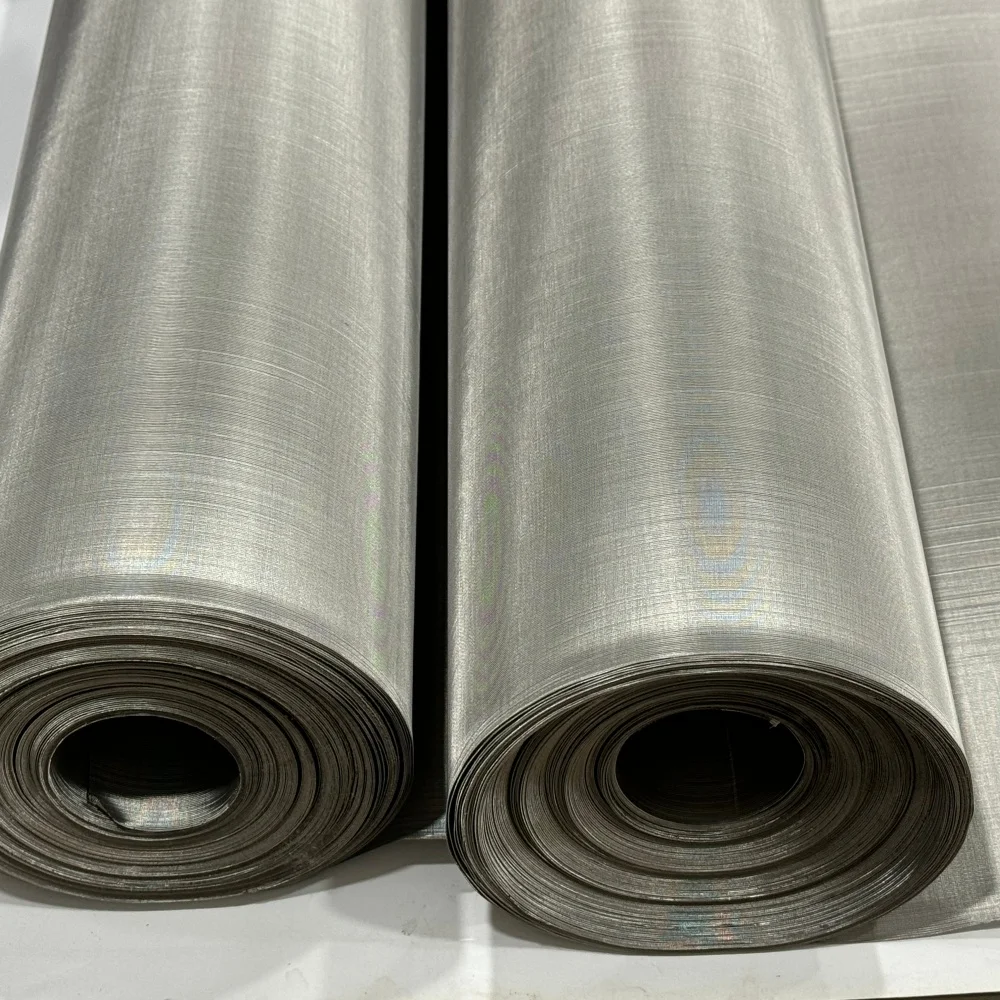
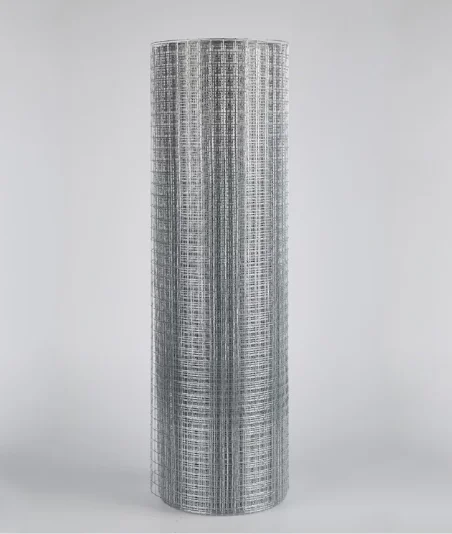
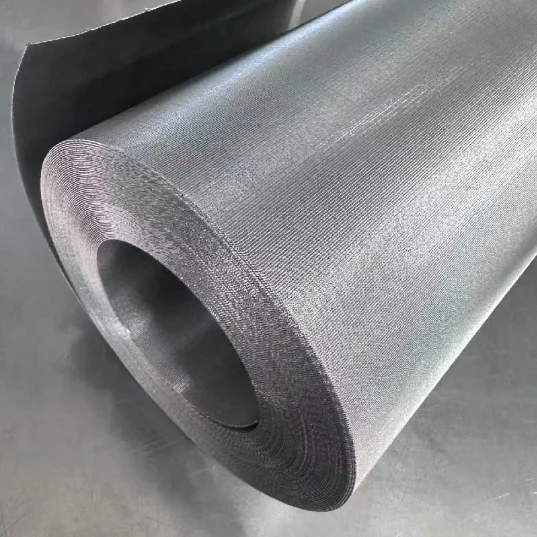
Product name: Stainless Steel Welded Wire Mesh by Hebei Xiangguang Metal Net Co., Ltd. (grades 304/316). Wires are resistance-welded at each intersection for rigidity. Panels or rolls can be cut into rectangles, squares, or discs without fraying—nice perk versus woven mesh.
Parameter | Typical range/notes (≈) |
Grade | 304 (general); 316 (marine/chemical) |
Wire diameter | Panels: 1.0–8.0 mm; Rolls: 0.5–5.0 mm |
Mesh opening | 25–100 mm (panels); 6–100 mm (rolls) |
Panel size | W: 0.5–2.5 m; L: 2–3 m common |
Roll size | W: 0.5–2.5 m; L: 15/30/60 m |
Welding | Resistance spot; continuous seam for heavy duty |
Finish | Mill, pickled/passivated, electropolished (optional) |
Tensile (wire) | ≈550–750 MPa (cold-drawn SS wire; real-world may vary) |
Materials: ASTM A580/A580M stainless wire (304/316). Methods: wire drawing → straightening/cutting → optional crimping → automated resistance welding → inspection → finishing → custom cutting/packing. Welding is set up with calibrated voltage/amperage; weld nuggets are checked visually and, when needed, by non-destructive methods. Common frameworks: AWS D1.6/D1.6M (stainless welding), ISO 9001 QMS, and ISO 9227/ASTM B117 salt-spray for comparative corrosion screening.
Indicative test notes: 304 samples typically endure ≥480 h NSS with no red rust; 316 often exceeds 720–1000 h—lab conditions only; site exposure can be harsher. Service life: indoors 15–25+ years; coastal exterior 316 often pays back in fewer replacements.
Construction reinforcement, security fencing in public facilities, machine guards, food processing partitions (cleanability matters), animal enclosures, mining partitions, transport hubs, and decor screens. Advantages: corrosion/oxidation resistance, rigidity, clean edges post-cut, and dependable dimensional stability. Many customers say 316 is a stress-reliever for seaside builds.
Vendor | Grades | Weld/QA | Lead time | Certs |
Hebei Xiangguang (TopMetalMesh) | 304, 316 | Automated resistance welding; dimensional and weld-strength checks | ≈10–20 days (spec-dependent) | ISO 9001; material traceability |
Regional Fab A | 304 | Manual/auto mix; basic checks | ≈2–4 weeks | ISO 9001 (varies) |
Low-Cost Importer | Unspecified | Quality varies | Uncertain | Limited |
Options: custom apertures, frames, edge trims, passivation/electropolishing, laser-cut shapes, and preformed bends. A coastal boardwalk retrofit swapped 304 for 316 panels; maintenance calls dropped noticeably after one storm season. In a poultry facility, switching to welded (from woven) stopped edge fray and cut downtime—small thing, big savings, they told me.
If you’re evaluating stainless steel welded wire mesh suppliers, compare weld nugget consistency, flatness tolerance, and documented grade certificates. It seems obvious, but those three decide whether installation is a breeze or a headache.
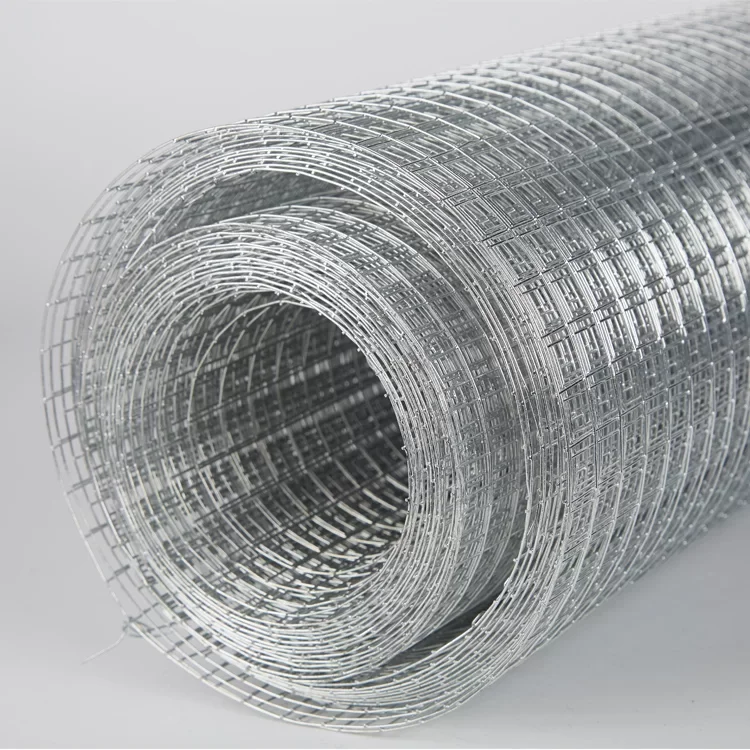
Final thought: stainless steel welded wire mesh panel, 316 stainless steel welded wire mesh, stainless steel welded wire mesh panels, stainless steel welded mesh aren’t commodity afterthoughts anymore—specs matter, especially around weld integrity and finish. Ask for test data and don’t be shy about lifecycle math.
1. American Welding Society, AWS D1.6/D1.6M: Structural Welding Code—Stainless Steel.
2. ASTM A580/A580M: Standard Specification for Stainless Steel Wire, ASTM International.
3. ISO 9227:2017: Corrosion tests in artificial atmospheres—Salt spray tests, ISO.
4. Nickel Institute: Stainless steels—Selection for the food and marine environments.