Hit enter to search or ESC to close
5 November 2025
In countless industrial, architectural, and filtration applications, wire mesh is required to perform in environments where exposure to moisture, chemicals, and extreme temperatures is a constant challenge. The integrity and longevity of the mesh in these conditions are paramount, as failure can lead to costly downtime, product contamination, or structural compromise. Standard carbon steel meshes are quickly degraded by rust and corrosion in such aggressive settings. Hebei Xiangguang Metal Net Co., Ltd. specializes in providing a superior solution: high-performance stainless woven mesh. Our products, particularly those crafted from AISI 304 grade stainless steel, offer exceptional resistance to a wide range of chemical corrodents, ensuring reliable performance and durability where it matters most.
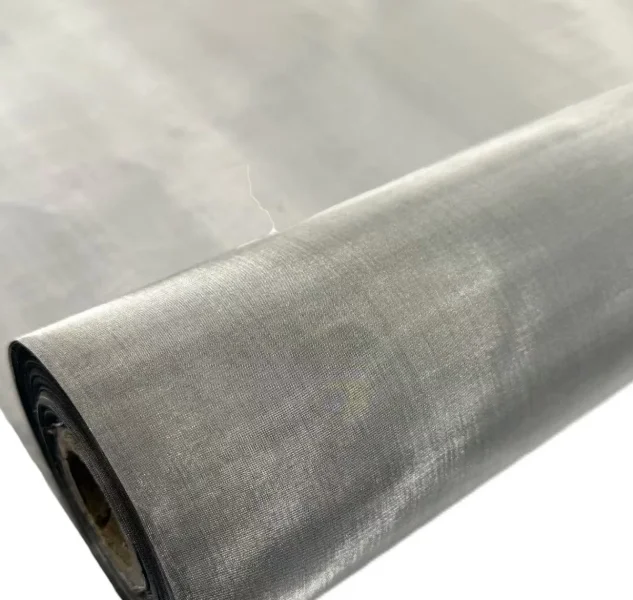
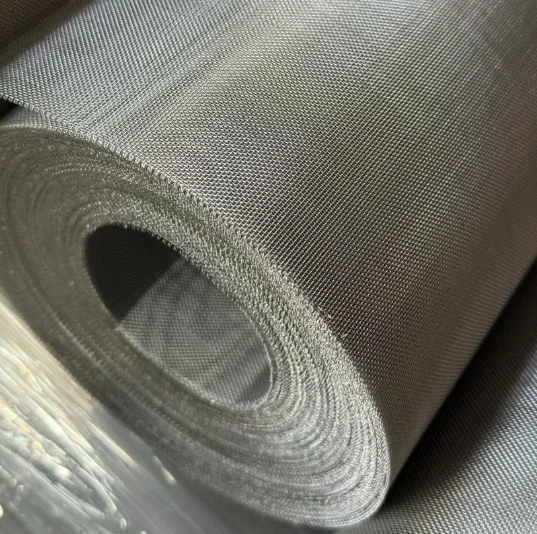
l The exceptional performance of our stainless woven mesh begins with the material itself. AISI 304 stainless steel is an austenitic alloy known for its excellent combination of strength, formability, and most importantly, corrosion resistance.
l The key to its resilience is a minimum chromium content, which, upon exposure to oxygen, forms a thin, invisible, and adherent passive layer of chromium oxide on the surface. This self-renewing layer is highly inert and protects the underlying iron in the alloy from oxidizing (rusting).
l This inherent property makes 304 grade stainless woven mesh highly resistant to a vast array of chemicals, including many organic chemicals, food products, and a variety of industrial atmospheres, making it a versatile and dependable choice for demanding applications.
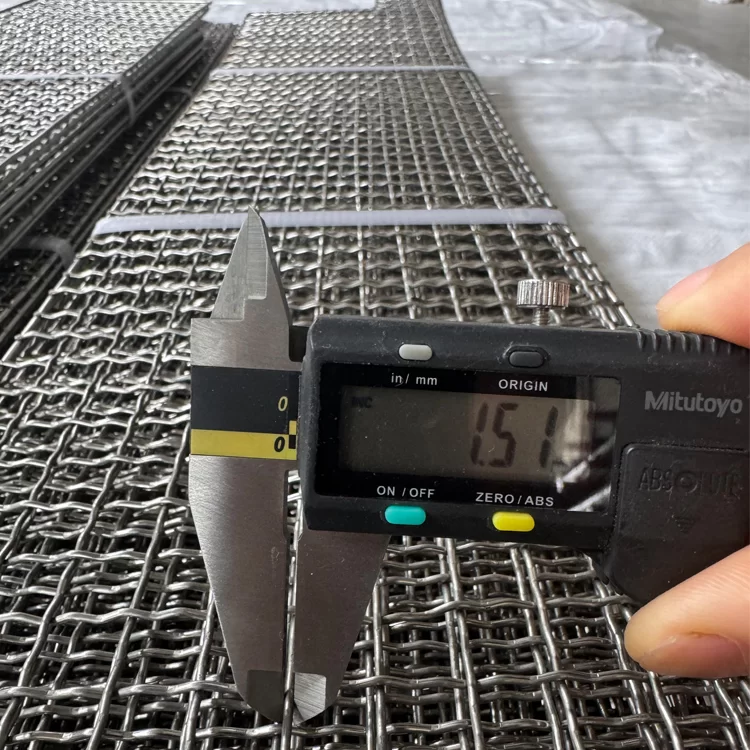
l The functionality of any mesh is deeply tied to its manufacturing integrity. Our steel woven wire mesh is produced using advanced weaving looms that interlace warp (longitudinal) and weft (transverse) wires with precision and consistency.
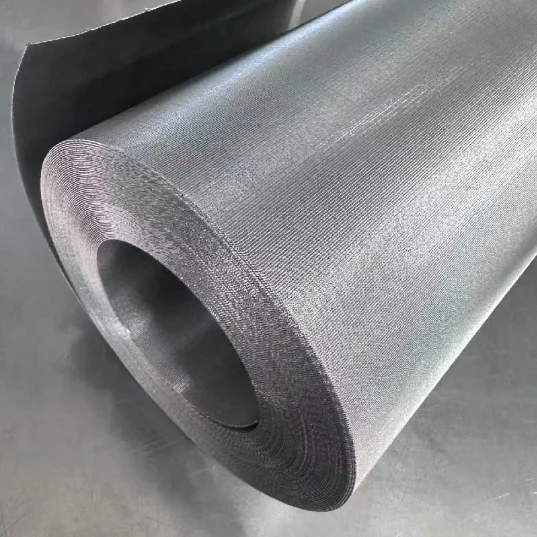
l This process can create a variety of weave patterns, such as Plain, Twilled, or Dutch weaves, each offering different characteristics in terms of strength, filtration accuracy, and flow rate. The consistency of the weave ensures uniform pore openings and a smooth surface, which is critical for applications like precise sieving or filtering.
l For steel woven wire mesh made from stainless steel, this precise construction guarantees that the excellent material properties are fully utilized in the final product, providing a reliable and consistent performance.
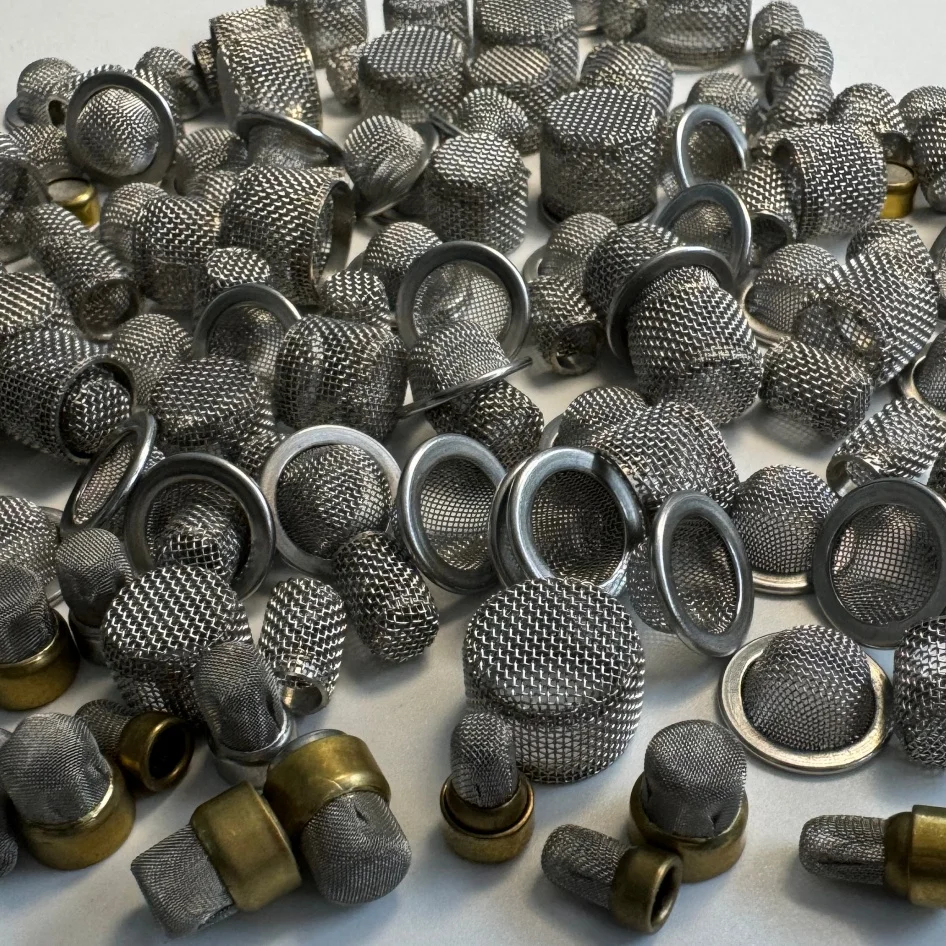
l The utility of metal woven wire mesh spans a remarkable range of industries, a testament to its adaptability and strength. In industrial settings, it is used for sorting, sifting, and filtering in food processing, pharmaceutical, and chemical plants.
l Its architectural applications include decorative screens, balustrades, and façade cladding, where its aesthetic appeal is matched by its durability. Metal woven wire mesh is also critical in safety, used for machine guards and protective barriers.
l The specific choice of material, such as opting for our stainless woven mesh for corrosive environments, ensures the product is fit-for-purpose, providing long-lasting service whether it is shielding a building from the elements or ensuring the purity of a processed chemical.
The primary advantages of using stainless woven mesh are its exceptional corrosion resistance, high strength-to-weight ratio, durability, and hygienic properties. The passive oxide layer on stainless steel makes it resistant to rust and a wide range of chemicals,
ensuring a long lifespan in harsh environments. Its inherent strength allows it to withstand significant pressure and physical stress.
Steel woven wire mesh, particularly when made from austenitic stainless steels like grade 304, exhibits excellent resistance to high temperatures. It retains a high proportion of its strength and will not scale excessively in intermittent service up to a certain
temperature and in continuous service to a slightly lower temperature. This makes steel woven wire mesh suitable for applications such as heat treatment baskets, safety spark arrestors, and filtration in hot gas streams.
The key difference between 304 and 316 grade stainless woven mesh is the addition of molybdenum in the 316 alloy. Molybdenum significantly enhances the alloy's resistance to corrosion from chlorides and other industrial solvents. This makes 316
grade stainless woven mesh the superior choice for highly corrosive environments, such as coastal areas with salt spray, chemical processing plants handling chlorides, and applications involving bleach or other strong halides.
Yes, metal woven wire mesh is highly customizable to meet specific filtration and separation requirements. Key variables that can be tailored include the mesh count (number of openings per inch), the wire diameter, and the weave pattern. These factors
directly determine the mesh's nominal filtration rating, strength, and flow characteristics.
Determining the right specification for stainless woven mesh involves analyzing the application's primary demands. Key factors to consider are the required filtration accuracy (which dictates mesh count and wire diameter), the mechanical load (which
determines wire diameter and alloy strength), and the environmental conditions (which guide the choice of stainless steel grade, e.g., 304 for general use, 316 for chloride resistance).