Global Security Material Sourcing: What International Buyers Should Know
The Canton Fair continues to connect manufacturers, distributors, contractors, and professional buyers from markets around the world. For international purchasers, major trade events provide an opportunity to explore new building materials, compare manufacturing capabilities, and establish relationships with suppliers capable of supporting long-term projects.
As security requirements continue to develop, material selection has become an increasingly important part of product design and procurement. Security doors, window screens, protective enclosures, architectural barriers, and fly screens all require materials that balance strength, corrosion resistance, weight, appearance, and application requirements.
Among the available options, stainless steel mesh and aluminum mesh are two commonly considered materials. Each has different characteristics, and the appropriate choice depends on the environment, required performance, fabrication method, and project budget.
For international buyers sourcing security mesh, understanding the differences between these materials can help them communicate more effectively with manufacturers and select specifications suited to their projects.
Hebei Xiangguang Metal Net Co., Ltd. has been manufacturing wire mesh since 1989. With more than 36 years of industry experience, specialized production equipment, and products exported to more than 100 countries and regions, the company provides stainless steel wire mesh, security mesh, architectural mesh, wire cloth, and other customized wire mesh solutions.

Why Material Selection Matters in Security Projects
Security mesh is not simply a decorative material. Depending on the application, it may need to withstand mechanical stress, weather exposure, humidity, corrosion, impact, and repeated daily use.
The material also affects the overall weight and installation requirements of the finished product.
For example, a window security screen may prioritize corrosion resistance and visibility, while an industrial protective enclosure may place greater emphasis on mechanical strength and structural stability.
Therefore, buyers should evaluate stainless steel security mesh and aluminum mesh according to the actual application rather than selecting a material based only on initial purchase cost.
Important considerations include:
Corrosion resistance
Mechanical strength
Weight
Mesh opening
Wire diameter
Surface finish
Environmental conditions
Fabrication requirements
Installation method
Expected service conditions
Applicable local standards
Stainless Steel Mesh: Strength and Long-Term Durability
Stainless steel mesh is widely used for security, filtration, protection, and architectural applications because of its combination of strength and corrosion resistance.
The actual performance of stainless steel mesh depends on the grade selected. 304 stainless steel is commonly used for general applications, while 316 stainless steel may be considered for environments involving greater exposure to chlorides or corrosive conditions.
Strength for Security Applications
For security projects where mechanical strength is an important consideration, stainless steel security mesh can provide a robust material option.
Wire diameter, mesh opening, weaving structure, and installation all affect the final performance. Heavier wire and appropriately designed mesh structures can provide greater resistance to mechanical forces.
This makes stainless steel mesh suitable for applications such as security screens, protective barriers, equipment guards, and selected architectural structures.

Corrosion Resistance
Another important characteristic of stainless steel wire mesh is its corrosion resistance.
This can be particularly useful in outdoor applications, humid environments, coastal locations, and areas where the mesh may be exposed to moisture.
However, corrosion resistance should always be evaluated according to the specific stainless steel grade and actual environmental conditions.
Long-Term Performance
For projects where the mesh is expected to remain in service for an extended period, material durability can be an important purchasing consideration.
A suitable stainless steel grade can help reduce concerns associated with rust and material deterioration, although correct installation and maintenance remain important.
For security-screen manufacturers and construction-material distributors, this can make stainless steel mesh a practical option for applications where durability is prioritized.
Aluminum Mesh: Lightweight and Flexible
Aluminum is another material used in screens, mesh products, and selected security-related applications.
One of its main characteristics is its relatively low density compared with stainless steel.
Lightweight Construction
For projects where reducing product weight is important, aluminum mesh can offer advantages.
Lower weight may simplify handling, transportation, and installation, depending on the product design.
This can be useful for applications where the mesh is installed over large areas or incorporated into lightweight structures.
Corrosion Resistance
Aluminum naturally forms an oxide layer that provides a degree of corrosion protection. Surface treatments and coatings can further influence its performance.
However, the suitability of aluminum depends on the specific environmental conditions and application.
For coastal or highly corrosive environments, buyers should carefully evaluate the material, surface treatment, installation conditions, and potential interactions with other metals.
Appearance and Finishing Options
Aluminum can also be finished in different ways, giving designers and manufacturers flexibility in appearance.
For architectural projects where visual design and lightweight construction are important, aluminum mesh can be considered as one of the available material options.
Stainless Steel Mesh vs. Aluminum Mesh: Key Differences
When comparing stainless steel mesh vs. aluminum mesh, buyers should consider the complete application rather than focusing on a single material property.

When Should Buyers Consider Stainless Steel Security Mesh?
Stainless steel security mesh may be worth considering when the project places greater emphasis on mechanical strength, durability, and corrosion resistance.
Typical applications include:
Security Doors and Windows
Security screens for residential and commercial buildings may require a balance of protection, airflow, visibility, and durability.
Stainless steel mesh can be incorporated into suitable framing systems to create protective screens.
Industrial Equipment Protection
Factories and industrial facilities may use mesh for machine guards, equipment enclosures, protective barriers, and restricted-access areas.
The mesh specification should be selected according to the specific equipment and applicable safety requirements.
Architectural Security
Modern architecture often requires security features that do not create a visually heavy appearance.
Architectural stainless steel mesh can be used for partitions, facades, stair areas, protective structures, and decorative applications where security and design need to coexist.
Australian Security and Fly Screens
The Australian market has specific demand for products that combine insect protection, ventilation, and security.
Australian security and fly screen mesh is one of the product categories offered by Hebei Xiangguang Metal Net Co., Ltd., supporting customers serving this market.
When Might Aluminum Mesh Be Considered?
Aluminum mesh can be considered when low weight is an important project requirement.
For lightweight screening, ventilation structures, decorative applications, and certain window or enclosure systems, aluminum can provide practical benefits.
However, buyers should determine whether the material's mechanical properties meet the actual security requirements.
A material that is lightweight may be easier to handle, but security performance depends on the complete mesh structure, wire dimensions, installation system, and application.
Therefore, buyers should discuss their requirements with an experienced security mesh manufacturer before selecting the final material.
How to Select the Right Mesh Specification
Material is only one part of a security mesh specification.
International buyers should also consider the following technical factors.
Wire Diameter
Wire diameter directly affects mesh strength, weight, and appearance.
For demanding security applications, buyers may require a heavier wire structure, while lighter applications may use finer wire.
Mesh Opening
The mesh opening affects visibility, airflow, screening, and protection.
A smaller aperture may provide greater screening, while larger openings may provide greater visibility and airflow.
Weaving Pattern
The weaving method influences the structure and appearance of woven mesh.
For stainless steel woven wire mesh, common structures include plain weave and twill weave, with the appropriate pattern depending on the application.
Material Grade
For stainless steel products, buyers should clearly specify the required grade.
304 and 316 are common options, but specialized projects may require other stainless steel or alloy materials.
Surface and Fabrication
Depending on the project, buyers may require cutting, bending, welding, stamping, or other processing.
Choosing a manufacturer with in-house or coordinated processing capabilities can simplify the supply chain.
Why Choose Hebei Xiangguang Metal Net Co., Ltd.?
Hebei Xiangguang Metal Net Co., Ltd. was established in 1989 and has accumulated more than 36 years of wire mesh manufacturing experience.
The company has developed from a local workshop into an established wire mesh manufacturer in North China, continuously expanding production capabilities and technical expertise.
Its product portfolio includes:
Stainless Steel Wire Mesh & SS Wire Cloth
Special Alloy Wire Cloth
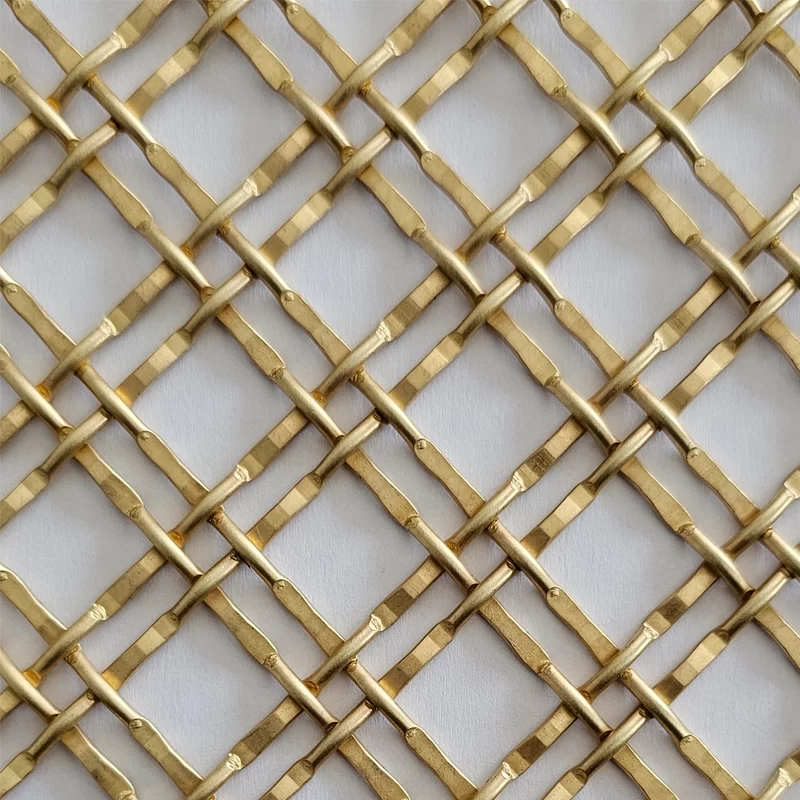
Brass-Copper-Bronze Mesh & Wire Cloth
Wire Mesh Filters
Australian Security & Fly Screen Mesh
Architectural Decorative Mesh
Stainless Steel Wire
This diversified product portfolio enables Xiangguang to support customers across security, filtration, protection, architecture, decoration, and industrial applications.
The company is equipped with specialized production equipment, and quality control is applied from raw materials through finished products.
Its products have been exported to more than 100 countries and regions worldwide, giving the company extensive experience in international supply and customer communication.
Customized Wire Mesh Solutions for International Buyers
Security projects do not always fit standard specifications.
A buyer may require a particular stainless steel grade, wire diameter, mesh opening, roll width, panel size, or fabrication process.
Xiangguang also provides customized wire mesh filter solutions and can support processes such as stamping, welding, and bending.
This ability to work with application-specific requirements can be valuable for international buyers developing security products or integrating mesh into larger systems.
Instead of simply purchasing a standard mesh roll, customers can communicate their application, dimensions, material requirements, and processing needs with the manufacturer.
Making a Better Material Decision
There is no single material that is suitable for every security project.
Stainless steel mesh may be considered when strength, corrosion resistance, and long-term durability are key priorities.
Aluminum mesh may be considered when low weight, handling, and selected finishing requirements are more important.
The final decision should take into account the environment, application, mechanical requirements, installation system, local standards, and total project requirements.
For international buyers, working with an experienced manufacturer can make this evaluation more efficient.
Build Your Security Mesh Supply Chain With an Experienced Manufacturer
As global construction and security markets continue to develop, material selection is becoming increasingly important for manufacturers, contractors, distributors, and project developers.
The Canton Fair and other international trade platforms continue to connect global buyers with Chinese manufacturers, but successful sourcing requires more than finding a competitive quotation. Buyers need to understand product specifications and evaluate the manufacturer's production capabilities, quality control, customization options, and international experience.
Hebei Xiangguang Metal Net Co., Ltd. has been building its wire mesh manufacturing experience since 1989. With specialized equipment, a broad product portfolio, and exports to more than 100 countries and regions, the company provides stainless steel wire mesh, security mesh, architectural mesh, wire cloth filters, and other wire mesh solutions.
For buyers comparing stainless steel mesh vs. aluminum mesh, the right starting point is to define the project's actual requirements and then select the material and specifications accordingly.
Looking for Stainless Steel Security Mesh?
If your project requires stainless steel security mesh, stainless steel wire mesh, architectural mesh, or customized wire mesh solutions, visit the official website of Hebei Xiangguang Metal Net Co., Ltd.
Official Website: https://www.xgwiremesh.com/
Contact the Xiangguang team with your required material, wire diameter, mesh opening, dimensions, application, quantity, and processing requirements to discuss a suitable solution for your security project.