Hit enter to search or ESC to close
28 October 2025
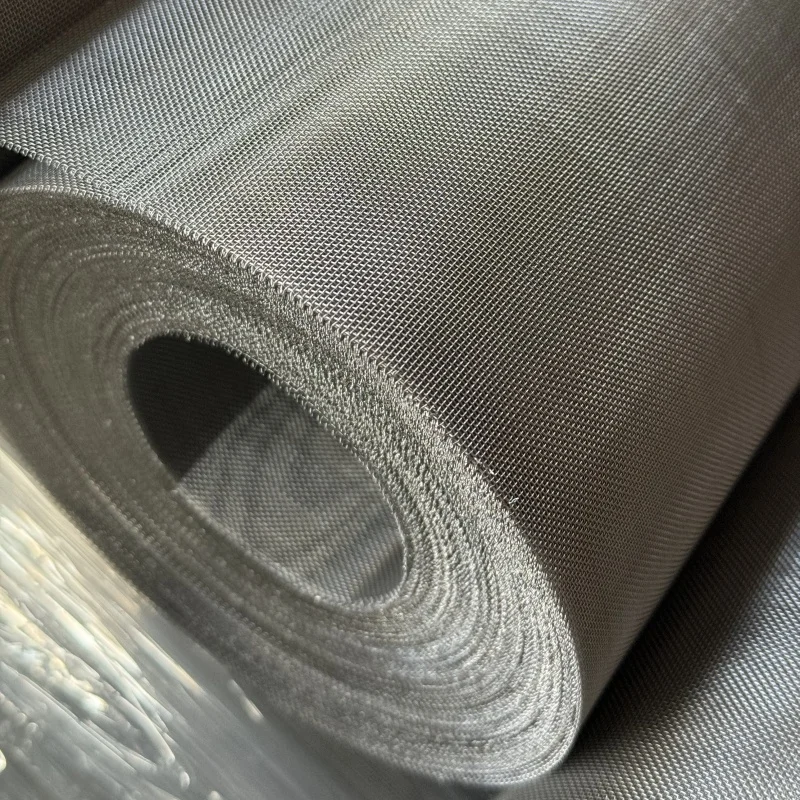
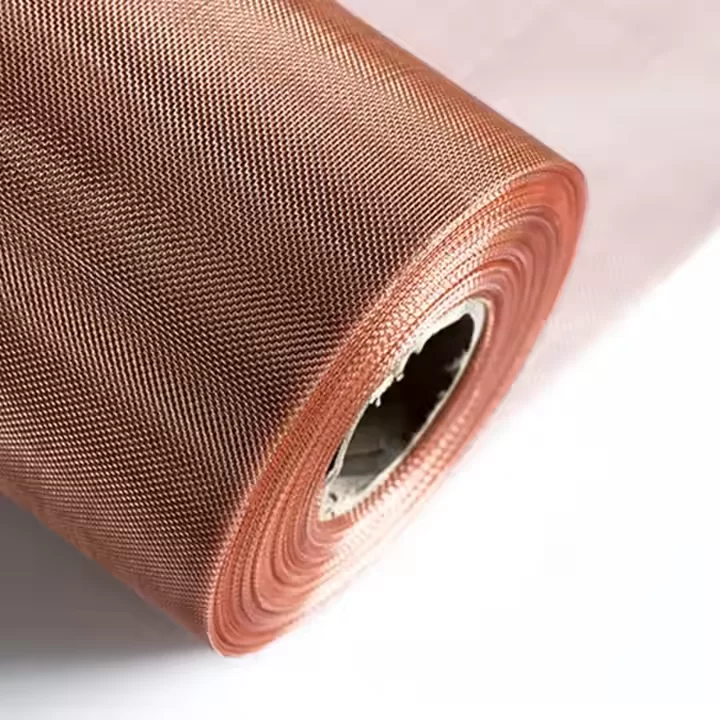
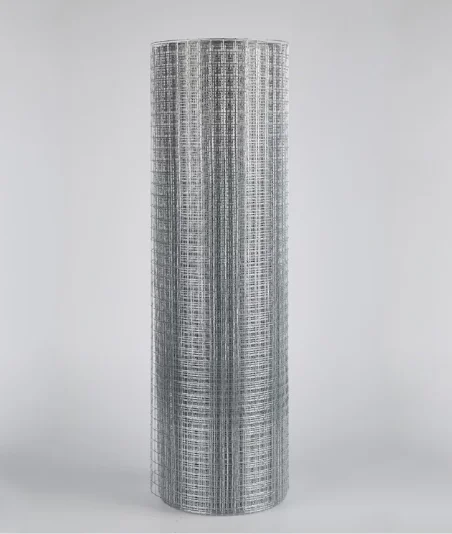
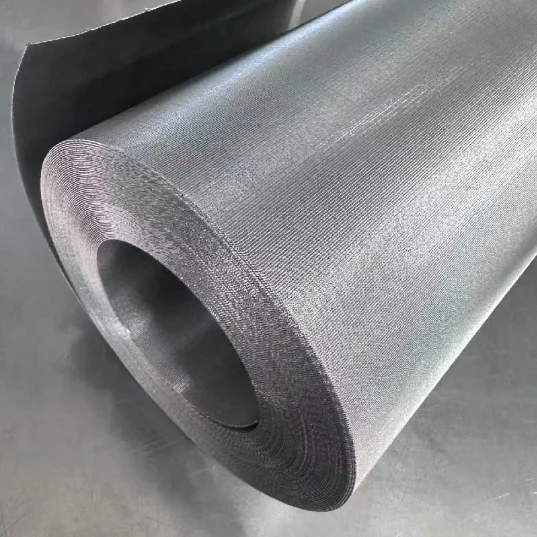
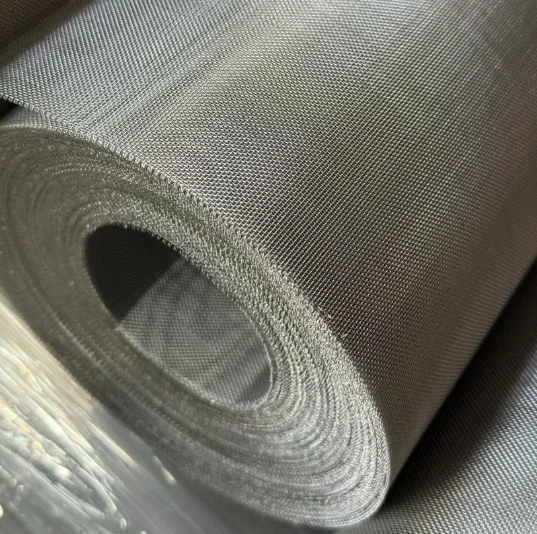
If you’ve worked around electrolyzers, chemical scrubbers, or battery lines lately, you’ve probably heard the same refrain: reliable mesh is the quiet hero. That’s why interest in nickel wire mesh, nickel 200 wire mesh, nickel wire cloth, nickel mesh has surged. To be honest, it’s not hype; the material’s corrosion resistance, conductivity, and toughness make a real difference in uptime and test data.
EV plants and hydrogen programs are specifying nickel wire mesh as current collectors, gas diffusion layers, and alkaline electrolysis electrodes. In chemicals, nickel wire cloth shows up in demisters and high-pH filtration. We also see nickel 200 wire mesh in marine exhaust systems, heat exchangers, and EMI shielding—surprisingly versatile, especially when space is tight and temperature swings are brutal.
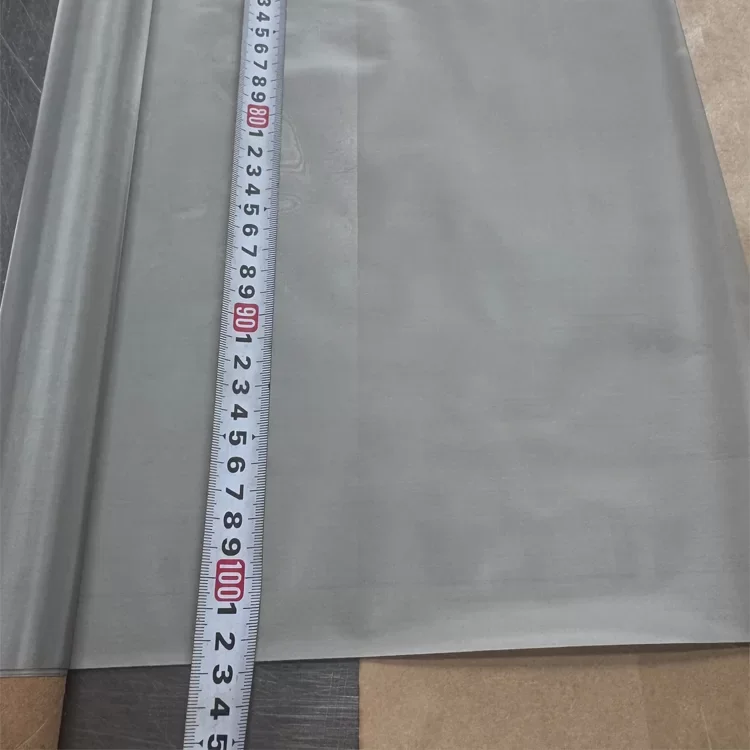
Base material is ≥99.5% Ni (Nickel 200/201). Weaves include plain, twill, and Dutch twilled, with custom apertures (≈10–500 mesh). Wire diameters generally run 0.05–2.0 mm; widths up to around 1200 mm. For sustained high heat, many customers choose Nickel 201 above ~315°C due to lower carbon.
Grade | Purity | Mesh | Wire Ø (mm) | Aperture (mm) | Weave | Service Temp |
Nickel 200 (UNS N02200) | ≥99.5% Ni | 10–200 | 0.10–1.0 | 0.08–2.0 (≈) | Plain/Twill | Up to ~315°C typical use |
Nickel 201 (UNS N02201) | ≥99.5% Ni (low C) | 80–500 | 0.05–0.30 | 0.03–0.25 (≈) | Plain/Dutch | Better above ~315°C |
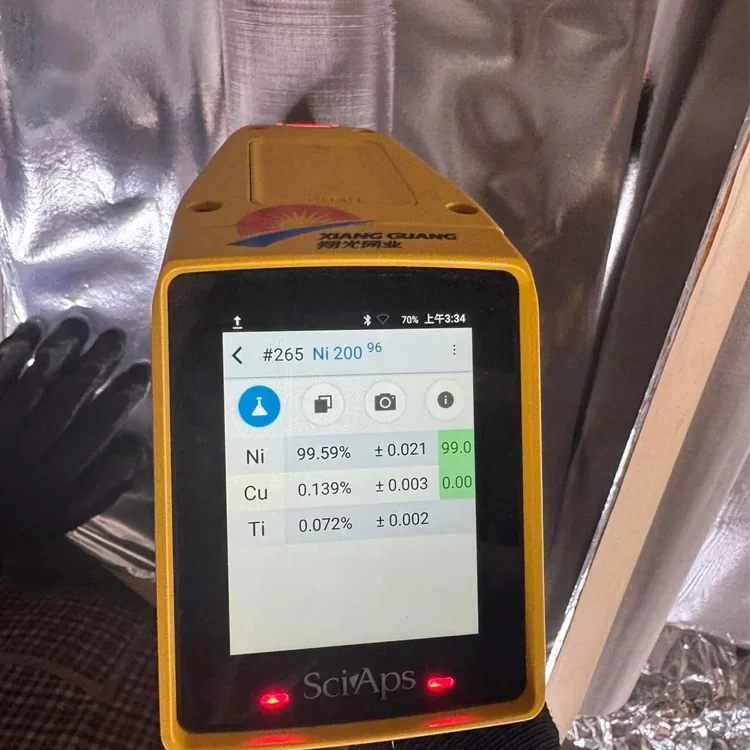
Materials: Nickel 200/201 wire per ASTM B160. Methods: precision drawing → anneal → weaving (plain/twill/Dutch) → optional flattening/sintering → cutting (laser/waterjet; ±0.1 mm) → cleaning and packaging. Testing: wire chemistry (ICP), mesh count and aperture per ASTM E2016/ISO 4783, tensile/elongation on coupons, electrical resistivity (≈0.07–0.10 Ω·mm²/m at 20°C), corrosion checks via immersion tests (ASTM G31) in alkali/acid as specified. Typical service life reported: 3–8 years in alkaline filtration; 1–3 years in hot acid duty (real-world use may vary).
Vendor | Purity Traceability | Max Width | QC Standards | Lead Time | Cut Tolerance | Certs |
TopMetalMesh | Heat-to-heat CoA | ≈1200 mm | ASTM E2016, ISO 4783 | 7–20 days | ±0.1 mm | ISO 9001, RoHS |
Market Supplier A | Lot-level only | ≈1000 mm | In-house | 15–30 days | ±0.3 mm | Basic |
Market Supplier B | Mixed | ≈800 mm | ASTM-like | 10–25 days | ±0.2 mm | ISO 9001 |
· Battery plant: nickel mesh used as alkaline electrolyzer cathode screen; pressure drop fell ≈12% after switching to a finer Dutch weave; uptime improved by one maintenance cycle.
· Chemical absorber: nickel wire mesh demister survived 6 months of 20–25% HCl mist; mass loss under ASTM G31 stayed below 1.5 mg/cm²·day, within spec.
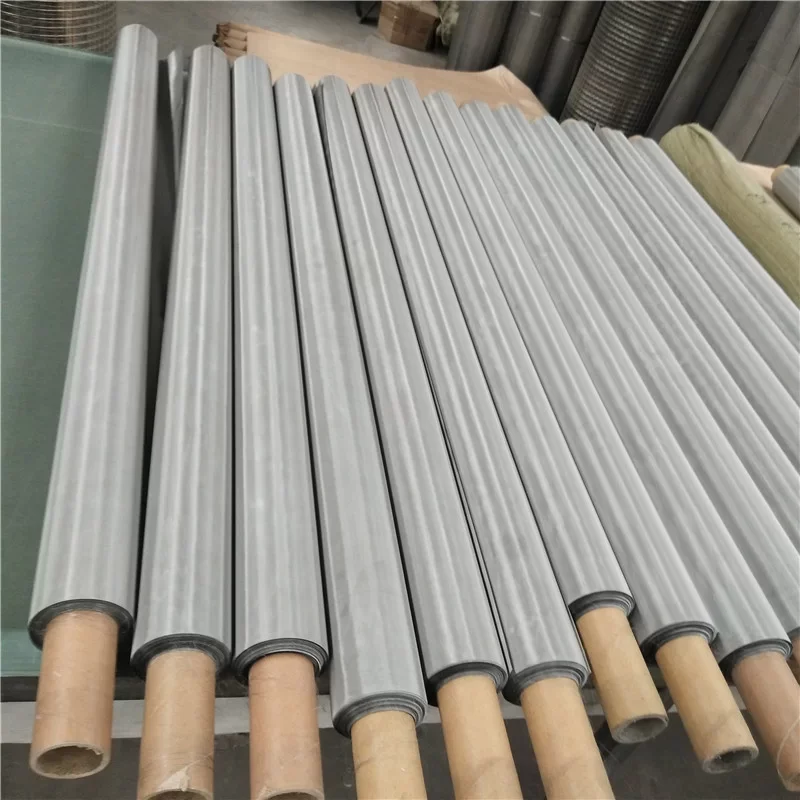
We cut complex 2D shapes to ±0.1 mm; widths 20–1200 mm; wire Ø 0.05–2.0 mm. Packaging: waterproof paper + woven bag; or paper + carton; or as requested. Many customers say it’s the small things—clean edges, tight tolerance—that save installation time.
Standards and compliance
ASTM E2016 (mesh), ASTM B160 (Ni wire), ISO 4783 (selection/measurement), corrosion review vs NACE MR0175/ISO 15156 where applicable. Typical facility certs: ISO 9001; material compliance: RoHS/REACH as required.
Citations
1. ASTM E2016 – Standard Specification for Industrial Woven Wire Cloth.
2. ASTM B160 – Standard Specification for Nickel Rod, Bar, and Wire (Nickel 200/201).
3. ISO 4783-1 – Wire cloth and sieves: Guide to selection of aperture and wire diameters.
4. NACE MR0175/ISO 15156 – Petroleum and natural gas industries—Materials for use in H2S-containing environments.
5. Directive 2011/65/EU (RoHS) – Restriction of Hazardous Substances.