Hit enter to search or ESC to close
26 December 2025
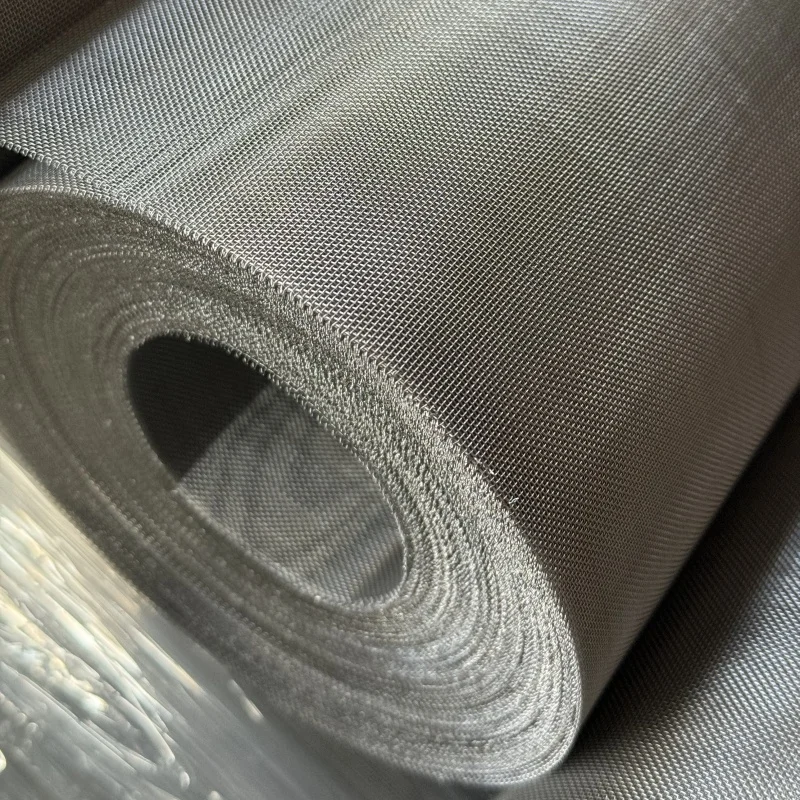
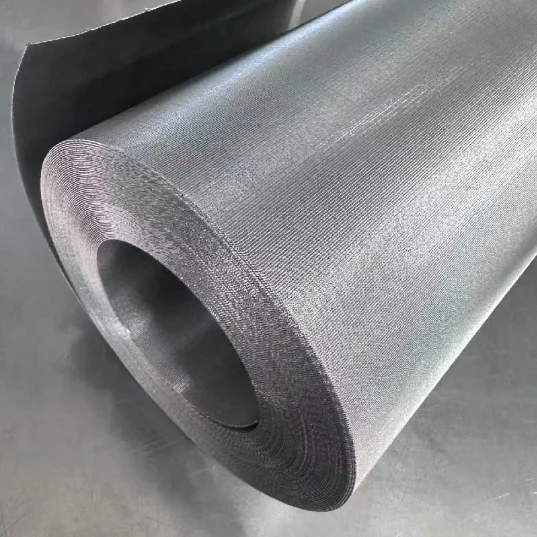
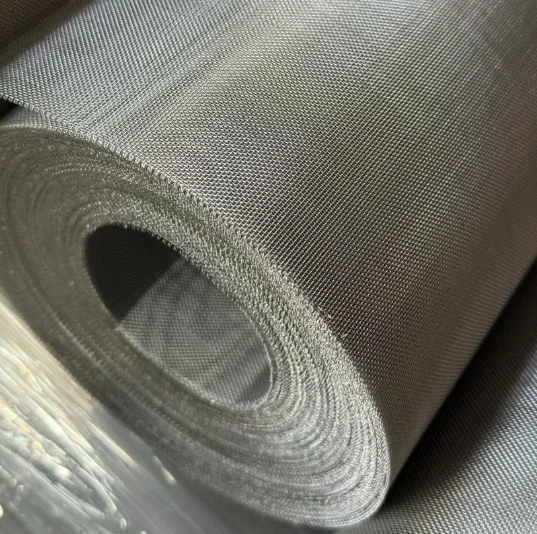
Seawater intakes are critical components in marine and coastal industries such as desalination plants, offshore oil and gas platforms, power plants, and coastal manufacturing facilities. These intakes face harsh challenges from corrosive seawater, abrasive marine debris, and marine organisms, demanding filtration materials with exceptional durability and performance. monel wire mesh, along with its variants monel mesh and monel screen, emerges as an ideal solution for seawater intake filtration due to its high strength, superior corrosion resistance, and resistance to marine biofouling. Hebei Xiangguang Metal Net Co., Ltd., established in 1989 and developed from a local workshop to a leading wire mesh manufacturer in North China, boasts 36 years of expertise in producing high-quality monel wire mesh products. By integrating traditional craftsmanship with modern industrial technology, the company ensures its monel mesh and monel screen meet the rigorous requirements of seawater environments, serving as a trusted partner for domestic and international customers. This article explores the core roles, performance advantages, application scenarios, and key considerations of high-strength monel wire mesh for seawater intakes.
• Debris Filtration and Protection: The primary role of monel wire mesh in seawater intakes is to filter out marine debris such as seaweed, shells, fish, and sediment. monel screen with precise mesh apertures forms a robust physical barrier, preventing these debris from entering the intake system and causing clogging, abrasion, or damage to pumps, heat exchangers, and other downstream equipment. This ensures the stable operation of the entire seawater intake system.
• Corrosion Resistance Barrier: Seawater is highly corrosive due to its high salt content, chloride ions, and other chemical components. monel mesh, made of nickel-copper alloy, exhibits exceptional resistance to seawater corrosion, avoiding rusting, pitting, and structural degradation even in long-term immersion. This extends the service life of the filtration system and reduces maintenance costs.
• Marine Biofouling Resistance: Marine organisms such as barnacles, mussels, and algae tend to attach to submerged surfaces, causing biofouling that blocks seawater flow. monel wire mesh has inherent resistance to marine biofouling, making it difficult for these organisms to adhere and grow. This maintains the permeability of the mesh and ensures consistent water intake efficiency.
• Structural Stability Under Seawater Pressure: Seawater intakes often operate under high hydrostatic pressure and strong water flow. High-strength monel wire mesh maintains structural integrity without deformation or breakage, withstanding the impact of strong currents and wave surges. Hebei Xiangguang’s monel screen is specially designed to resist seawater pressure, ensuring reliable filtration performance in extreme marine conditions.
Performance Feature | Technical Advantages | Seawater Intake Value | Comparison with Other Filtration Materials | Hebei Xiangguang Product Advantages |
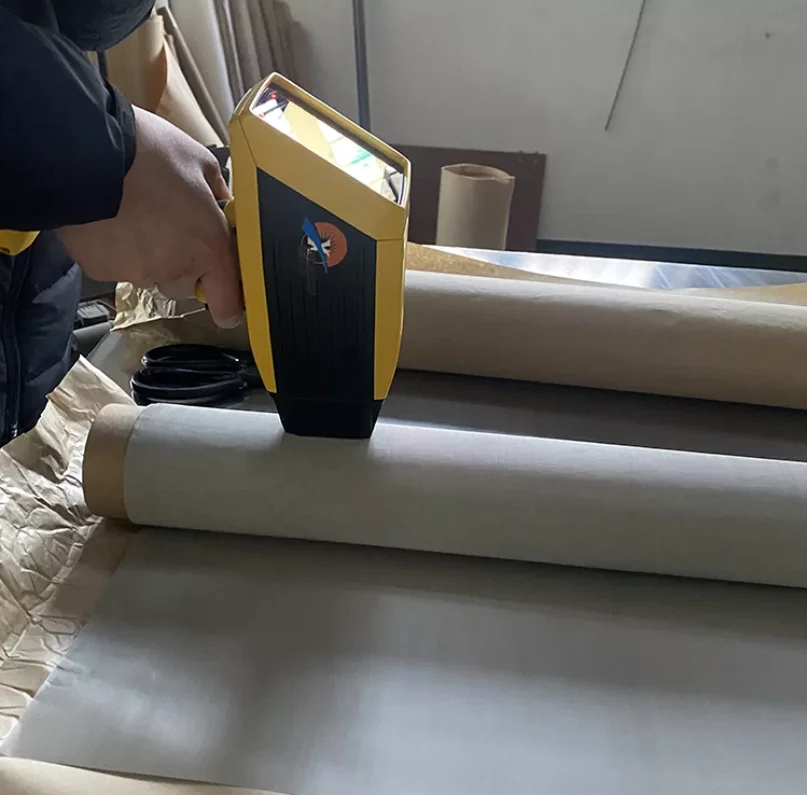
Superior Seawater Corrosion Resistance | Made of Monel 400 (65% nickel, 30% copper) or Monel K-500 alloy; resistant to chloride ion corrosion, pitting, and crevice corrosion in seawater | Long service life in full seawater immersion; no premature failure due to corrosion; reduces replacement frequency | Better corrosion resistance than stainless steel, carbon steel, and aluminum; outperforms plastic mesh in long-term seawater exposure | High-purity Monel alloy raw materials; strict alloy composition testing; corrosion resistance verification in simulated seawater environments |
Exceptional Mechanical Strength | High tensile strength (up to 750 MPa for Monel K-500); good fatigue resistance; able to withstand high water pressure and wave impact | Stable structural performance under harsh marine conditions; no deformation or breakage; ensures continuous water intake | Stronger than stainless steel mesh and plastic mesh; more resistant to mechanical impact than fiberglass mesh | Precision wire drawing and weaving processes; optimized heat treatment for enhanced strength; strict tensile strength testing |
Marine Biofouling Resistance | Smooth alloy surface; low surface energy that inhibits the adhesion and growth of marine organisms; no need for frequent anti-fouling treatments | Maintains mesh permeability; reduces clogging caused by biofouling; lowers maintenance workload and chemical usage | Better anti-fouling performance than stainless steel and carbon steel; more environmentally friendly than chemical anti-fouling coatings | Surface polishing treatment; anti-fouling optimization design; long-term biofouling resistance testing |
Wide Temperature Adaptability | Stable performance in a wide temperature range (-200°C to 450°C); no structural changes or performance degradation in high or low-temperature seawater | Suitable for various marine climates and seawater temperature conditions (e.g., polar coastal areas, tropical seas) | Better temperature resistance than plastic and rubber materials; more stable than ordinary metal mesh in extreme temperatures | High-temperature and low-temperature performance testing; material stability verification; customizable for extreme temperature scenarios |
• Monel Alloy Grade Selection: The alloy grade directly affects the performance of monel wire mesh in seawater. Monel 400 is suitable for general seawater intake scenarios, offering excellent corrosion resistance and cost-effectiveness. Monel K-500, with precipitation hardening treatment, provides higher strength and fatigue resistance, ideal for high-pressure, high-impact seawater intake environments (e.g., offshore oil platforms, large desalination plants). Hebei Xiangguang provides customized alloy grade recommendations based on the customer’s specific operating conditions.
• Mesh Aperture and Wire Diameter: Mesh aperture determines the filtration precision of monel screen, while wire diameter affects its strength and durability. For seawater intakes, aperture sizes typically range from 0.5mm to 10mm—smaller apertures for fine filtration of sediment and small organisms, larger apertures for coarse filtration of seaweed and large debris. Thicker wires enhance strength but may reduce water flow rate. The company customizes these parameters to balance filtration efficiency, strength, and water flow requirements.
• Weave Pattern: Common weave patterns for monel mesh include plain weave, twill weave, and Dutch weave. Plain weave is suitable for general coarse filtration; twill weave offers higher strength and wear resistance for high-pressure environments; Dutch weave provides higher filtration precision for fine sediment removal. Hebei Xiangguang selects the optimal weave pattern based on the customer’s filtration needs and seawater conditions.
• Surface Treatment: Advanced surface treatment further enhances the performance of monel wire mesh. Polishing treatment reduces surface roughness, improving anti-fouling performance and reducing debris adhesion. Passivation treatment further enhances corrosion resistance, especially in harsh seawater environments with high chloride ion concentrations. The company integrates these treatments to optimize product performance in seawater intakes.
• Desalination Plants: monel wire mesh is widely used in the seawater intake systems of desalination plants. It filters out marine debris and sediment, protecting reverse osmosis membranes and other core desalination equipment from damage and clogging. monel mesh’s corrosion resistance ensures long-term stable operation in the high-salt, high-pressure environment of desalination processes.
• Offshore Oil and Gas Platforms: Offshore platforms rely on seawater for cooling, drilling fluid preparation, and other processes.monel screen is used in their seawater intakes to filter out marine debris and resist corrosion from seawater and harsh offshore conditions. Its high strength withstands wave surges and strong currents, ensuring continuous seawater supply for platform operations.
• Coastal Power Plants: Coastal thermal power and nuclear power plants use seawater for cooling systems. monel wire mesh filters out marine organisms, sediment, and debris from the intake seawater, preventing clogging of cooling pipes and heat exchangers. Its corrosion resistance and anti-fouling performance reduce maintenance costs and ensure the efficient operation of cooling systems.
• Marine Aquaculture and Coastal Manufacturing: In marine aquaculture, monel mesh is used in seawater intake and circulation systems to filter out harmful organisms and debris, maintaining water quality for aquatic products. In coastal manufacturing facilities (e.g., chemical plants, paper mills) that use seawater, monel screen ensures clean seawater supply and protects production equipment from corrosion and clogging.
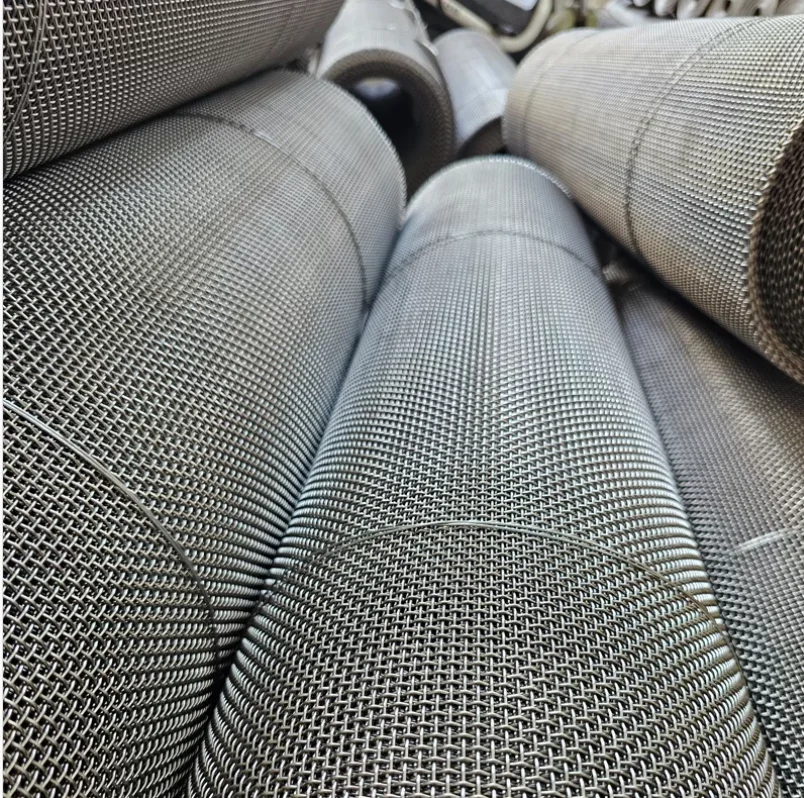
Monel wire mesh is suitable for seawater intakes due to its unique combination of performance advantages: 1) Superior seawater corrosion resistance, resisting chloride ion pitting and crevice corrosion; 2) Exceptional mechanical strength, withstanding high water pressure and wave impact; 3) Inherent marine biofouling resistance, reducing clogging and maintenance; 4) Wide temperature adaptability, suitable for diverse marine climates. These characteristics make it more reliable and durable than traditional materials such as stainless steel and plastic in seawater intake environments.
The choice of monel mesh alloy grade depends on the operating environment: 1) General seawater intakes (coastal power plants, small desalination plants): Monel 400, offering excellent corrosion resistance and cost-effectiveness; 2) High-pressure, high-impact environments (offshore platforms, large desalination plants): Monel K-500, with higher strength and fatigue resistance. Hebei Xiangguang’s technical team can recommend the optimal alloy grade based on the customer’s specific water pressure, flow rate, and environmental conditions.
Yes, monel screen has inherent resistance to marine biofouling. The nickel-copper alloy composition of monel wire mesh has low surface energy, making it difficult for marine organisms such as barnacles, mussels, and algae to adhere and grow. Hebei Xiangguang further enhances this performance through surface polishing treatment, which reduces surface roughness and minimizes biofouling adhesion. Compared to stainless steel and plastic mesh, monel mesh requires less frequent anti-fouling maintenance in seawater intakes.
To maintain monel wire mesh and extend its service life: 1) Regularly inspect the mesh for debris accumulation and clean it with high-pressure seawater or a soft brush to prevent clogging; 2) Check for signs of corrosion, wear, or deformation, repairing or replacing damaged sections promptly; 3) For long-term use, conduct periodic surface polishing or passivation treatment to restore anti-fouling and corrosion resistance; 4) Store unused monel mesh in a dry, ventilated environment to avoid moisture-induced oxidation. Hebei Xiangguang provides detailed maintenance guidelines for seawater intake applications.
Yes, monel wire mesh can be fully customized for special seawater intake equipment. Hebei Xiangguang leverages 36 years of manufacturing experience to customize monel mesh and monel screen according to the equipment’s size, shape, filtration precision, and operating parameters. This includes customized alloy grade, wire diameter, aperture size, weave pattern, and surface treatment, ensuring a perfect fit for special equipment such as submerged intake screens, intake grilles, and filter cartridges. The company’s professional technical team provides one-stop customization solutions.