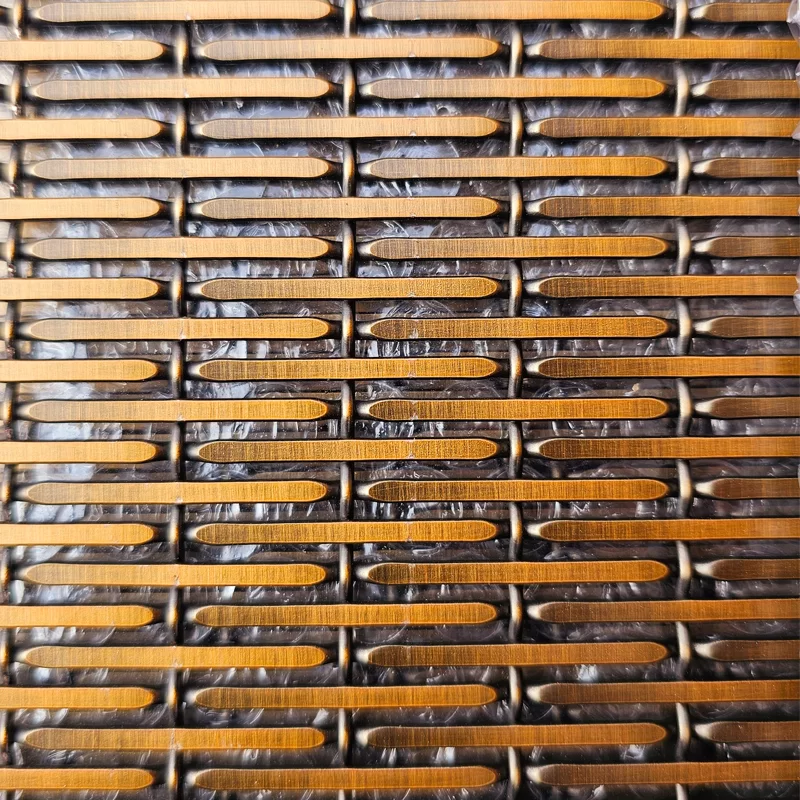
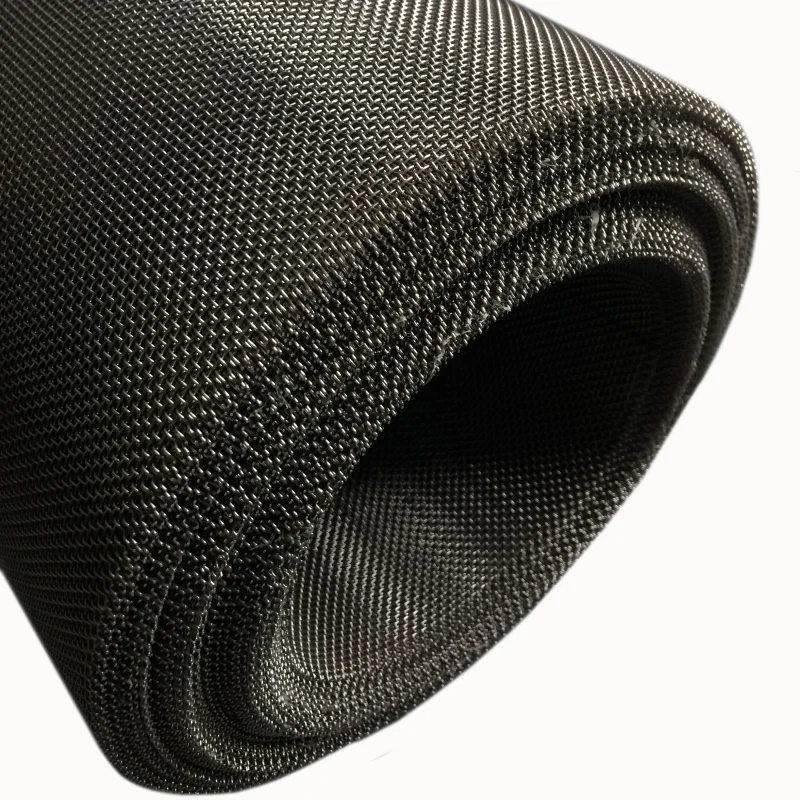
If you work around batteries, catalysts, or caustic fluids, you’ve probably handled [nickel woven wire mesh, pure nickel wire mesh, nickel plated wire mesh] more than once. I’ve watched its role quietly expand from “specialty item” to “can’t-run-this-line-without-it.” And frankly, the shift makes sense.

What’s Driving Demand
· Energy storage: Nickel mesh current collectors and hydrogen fuel-cell electrodes are up, quarter after quarter.
· Harsh chemistry: Process plants want more uptime; pure nickel wire mesh handles hot alkalis and chlorides far better than many alloys.
· EMI/RFI shielding: Dense nickel woven wire mesh is becoming a go-to for precise attenuation with good conductivity.
· Cost balancing: Some lines spec nickel plated wire mesh (on low-carbon steel) to hit budget targets—smart when full-nickel isn’t mission-critical.
Tech Specs at a Glance
From Top Metal Mesh’s Nickel Wire Mesh program, here are realistic, shop-floor parameters (real-world use may vary):
Parameter | Typical Range/Note |
Material | Ni ≥99.5% (ASTM B160/B162 grades); optional nickel-plated steel |
Mesh count | ≈10–500 mesh (ASTM E2016 guidance) |
Wire diameter | 0.05–2.0 mm |
Widths | 20–1200 mm; cutting tolerance ±0.1 mm |
Weaves | Plain, twill, Dutch twilled |
Surface | Bright, annealed; nickel-plated per ASTM B689 (where applicable) |
Testing | Chemistry (ICP), aperture per ASTM E2016, corrosion per ASTM B117/G31 |
Service life | ≈5–10+ years in moderate chlorides; higher in neutral/alkaline environments |
How It’s Made (Simple but strict)
Materials: high-purity nickel wire rod → drawing → anneal. Methods: precision weaving (plain/twill/Dutch) or sheet perforation. For nickel plated wire mesh: base wire prep → electroclean → plate to spec → bake/finish. Testing: composition, mesh count, conductivity, thickness, and corrosion (ASTM B117). Packaging? Waterproof paper + woven bag or carton—surprisingly robust in transit.

Where It Performs
· Battery/fuel cells: current collectors, gas diffusion layers.
· Chemical processing: caustic filtration, catalyst supports.
· Heat exchangers: high-temp air/acid gas sections.
· EMI shielding: enclosures and architectural panels.
· Marine/aerospace: lightweight, corrosion-competent components.
Customization (the part buyers love)
Mesh count, wire diameter, width, edge trimming, 2D contour cutting (±0.1 mm), and alloy variants. Many customers say a quick trial cut pays for itself by avoiding downstream rework. Certificates: ISO 9001, RoHS/REACH statements on request.
Vendor Snapshot
Vendor | Compliance | Lead Time | Customization | Approx. Cost |
Top Metal Mesh | ASTM E2016, B160/B689; ISO 9001; RoHS | ≈2–4 weeks | High (drawings welcomed) | Mid |
Importer A | Basic CoA | ≈5–8 weeks | Low–Medium | Low |
Local Fabricator | Varies | ≈1–3 weeks | Medium | High |
Field Notes (Short Case Studies)
· Battery pilot line: switched to pure nickel wire mesh 200 mesh; cut IR drop ≈8% and improved cycle stability at 60°C.
· Chlor-alkali unit: upgraded to dense nickel woven wire mesh Dutch weave; maintenance interval stretched from 6 to 18 months.
· EMI enclosure builder: used nickel plated wire mesh for doors; met shielding spec while keeping cost down ≈22% vs full nickel.
Customer feedback: “Dimensional consistency was better than spec; cutting to shape saved us a fixture.”
Ordering Tips
Share media (acid/alkali/chloride), operating temp, target resistance, and minimum burst strength. For plating, ask for thickness tolerance and adhesion per ASTM B689. Packaging options include waterproof paper + woven bag or carton.
Citations
1. ASTM E2016 – Standard Specification for Industrial Woven Wire Cloth.
2. ASTM B160/B162/B168 – Nickel and Nickel Alloy Wire/Plate/Sheet specifications.
3. ASTM B689 – Electroplated Nickel Coatings; ASTM B117/G31 – Corrosion test methods.
4. ISO 9001 – Quality management systems; RoHS/REACH compliance guidance (EU).