Hit enter to search or ESC to close
12 December 2025
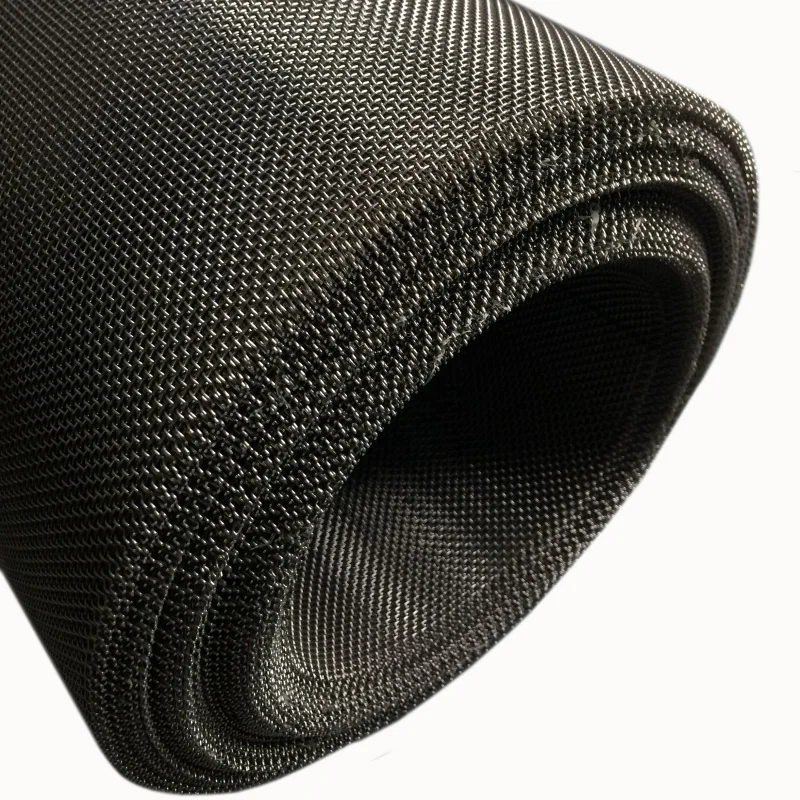
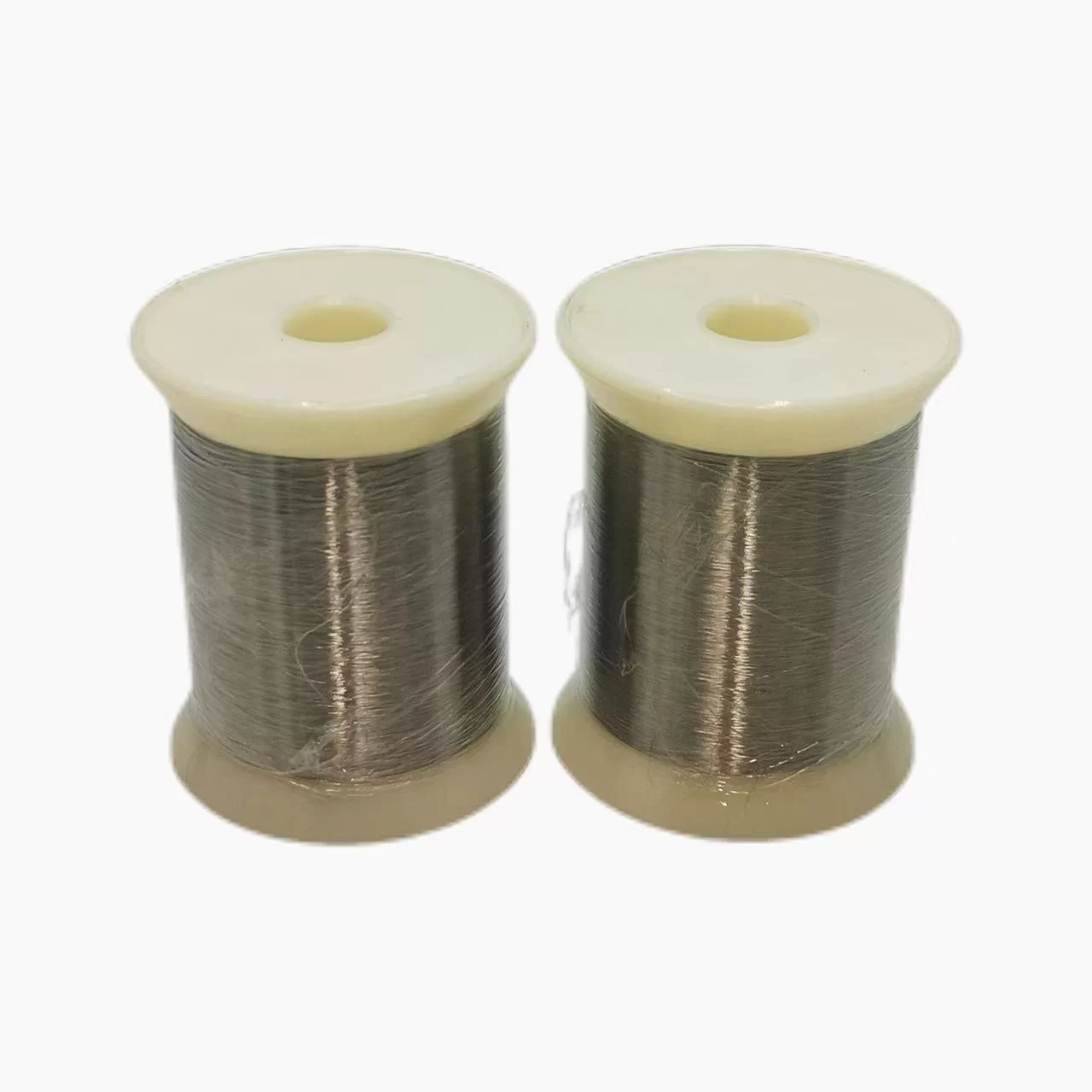
In the chemical industry, where precision, corrosion resistance, and durability are non-negotiable, filtration systems play a critical role in separating impurities, protecting equipment, and ensuring product purity. Steel wire—especially stainless steel wire and specialized variants like stainless steel mig wire—has become the backbone of these filtration solutions, thanks to its ability to withstand harsh chemicals, high temperatures, and repeated use. Hebei Xiangguang Metal Net Co., Ltd., established in 1989 and evolved from a local workshop to a leading wire mesh manufacturer in North China, specializes in producing high-quality steel wire products for industrial filtration. Over 36 years, the company has blended traditional craftsmanship with modern technology to create stainless steel wire meshes and components that meet the rigorous demands of chemical manufacturers worldwide. For wholesalers supplying the chemical industry, Xiangguang’s steel wire offerings deliver reliability and performance—key to supporting clients in building efficient, long-lasting filtration systems. This article explores the diverse applications of steel wire in chemical industry filtration, highlighting its value for wholesalers and their manufacturing partners.
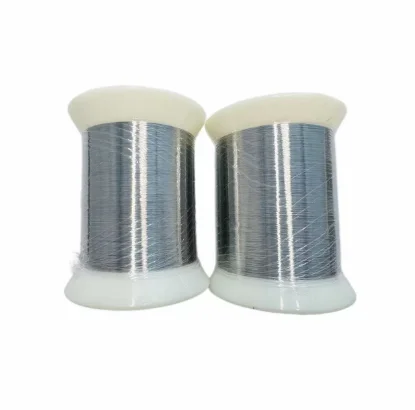
• Withstanding Aggressive Chemical Environments: Stainless steel wire is engineered with chromium (10.5%+ content) and nickel, creating a passive oxide layer that resists corrosion from acids, alkalis, and solvents—common in chemical filtration processes (e.g., separating sulfuric acid solutions or caustic soda). Unlike plain steel wire, which rusts and degrades in chemical exposure, Xiangguang’s stainless steel wire maintains structural integrity even in continuous contact with corrosive media. For example, in pharmaceutical chemical filtration (where purity is critical), stainless steel wire meshes prevent metal contamination of products, meeting strict industry standards (e.g., FDA, GMP). Wholesalers supplying chemical manufacturers note that stainless steel wire reduces filtration system replacement frequency by 50% compared to plain steel wire, lowering long-term costs for clients.
• High-Temperature Stability for Thermal Filtration: Many chemical filtration processes (e.g., catalyst recovery, high-temperature gas filtration) operate at 200-600℃, requiring materials that retain strength under heat. Stainless steel wire (e.g., 316L grade) from Xiangguang withstands these temperatures without warping or brittleness, making it ideal for high-temperature filtration systems. Additionally, stainless steel mig wire—used for welding filtration mesh frames—ensures strong, corrosion-resistant joints that hold up in thermal cycling. This stability is critical for wholesalers serving petrochemical clients, where filtration system failure can lead to costly production downtime.
Steel Wire Type | Key Characteristics for Filtration | Wholesale Value for Clients | Ideal Chemical Filtration Applications |
Stainless Steel Wire (304 Grade) | Balanced corrosion resistance and cost; suitable for mild chemicals (e.g., food-grade acids, water-based solutions); easy to form into fine meshes. | Appeals to mid-scale chemical manufacturers; balances performance and budget. | Liquid filtration (e.g., dye purification, solvent filtering) |
Stainless Steel Wire (316L Grade) | Enhanced corrosion resistance (adds molybdenum); withstands harsh acids (e.g., hydrochloric acid) and saltwater; high-temperature stability. | Targets high-end chemical clients (e.g., petrochemical, pharmaceutical); meets strict purity standards. | Gas filtration (e.g., catalyst recovery, exhaust treatment) |
Stainless Steel Mig Wire | Low-carbon content; creates strong, ductile welds for filtration mesh frames; compatible with stainless steel wire meshes; resists post-weld corrosion. | Ensures durable filtration system assembly; eliminates joint failure risks. | Custom filtration units (e.g., large-scale tank filters, modular systems) |
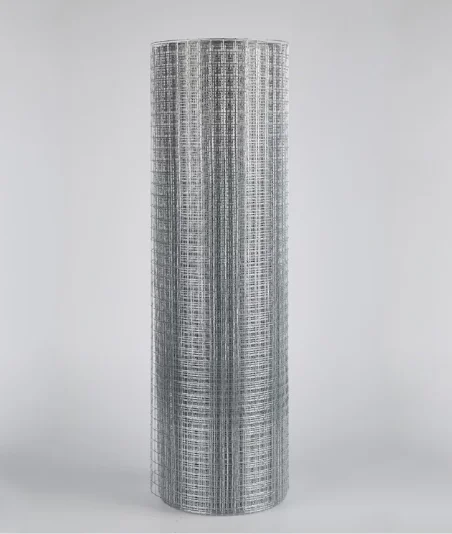
Plain Steel Wire (Galvanized) | Economical option; galvanized coating adds basic corrosion resistance; suitable for non-critical, low-chemical environments. | Caters to budget-conscious clients; ideal for pre-filtration (removing large impurities). | Preliminary filtration (e.g., raw material pre-treatment, wastewater coarse filtering) |
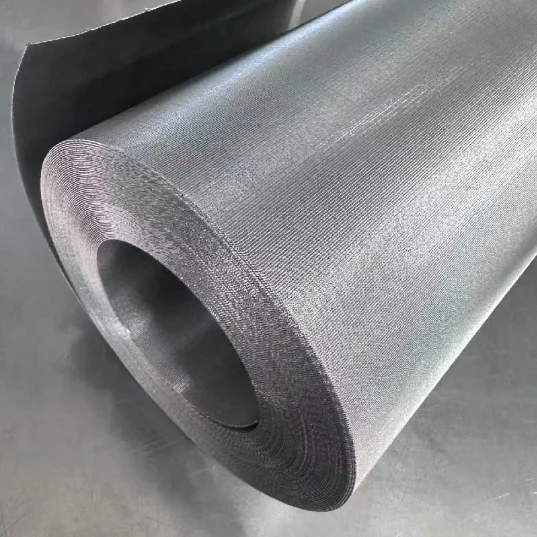
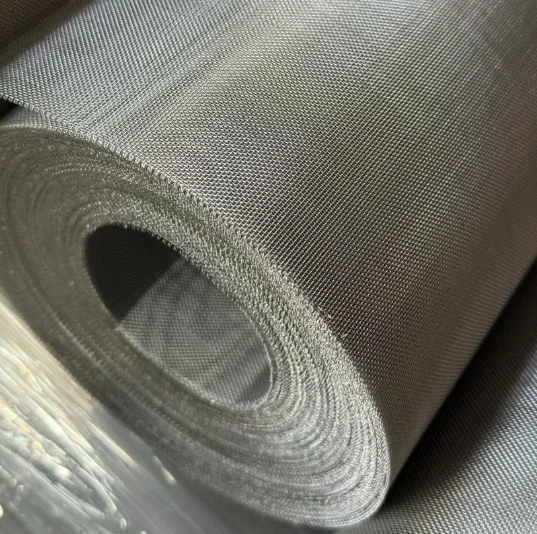
• Liquid Filtration: Stainless steel wire meshes (with varying pore sizes: 10-500 microns) are used in liquid filtration to separate solids from chemical solutions—e.g., removing catalyst particles from reaction mixtures or filtering impurities from pharmaceutical intermediates. Xiangguang’s stainless steel wire meshes are woven with uniform pore sizes, ensuring consistent filtration efficiency and preventing bypass of fine particles. Wholesalers can supply meshes in custom sizes (up to 3m width) to fit clients’ tank or pipeline filtration systems, reducing the need for on-site modifications. A wholesaler serving dye manufacturers reported that Xiangguang’s stainless steel wire meshes improved dye purity by 30%, reducing product defects.
• Gas Filtration: In chemical vapor or exhaust filtration (e.g., removing volatile organic compounds (VOCs) or particulate matter from reactor exhaust), stainless steel wire is formed into pleated filters or sintered mesh structures. These designs maximize surface area for gas contact, capturing fine particles (down to 1 micron) while minimizing pressure drop (critical for maintaining process flow). Stainless steel mig wire is used to weld filter housings, ensuring airtight seals that prevent gas leaks. For wholesalers supplying petrochemical plants, this gas filtration solution helps clients meet environmental regulations (e.g., reducing emissions of harmful particulates).
• Pressure Filtration: High-pressure chemical processes (e.g., high-pressure acid leaching) require filtration systems that withstand 10-100 bar pressure. Stainless steel wire (316L grade) is engineered into reinforced mesh panels that resist pressure deformation, ensuring consistent filtration even under extreme conditions. Xiangguang’s pressure-resistant stainless steel wire meshes are used in filter presses and membrane filtration systems, where they support delicate filter media (e.g., ceramic membranes) while withstanding chemical exposure. Wholesalers note that these meshes extend filter media lifespan by 40%, lowering replacement costs for clients.
Yes—Xiangguang’s stainless steel wire (316L or 321 grade) is suitable for filtering strong acids like nitric acid. The 316L grade includes molybdenum, which enhances resistance to oxidizing acids, while 321 grade (titanium-stabilized) prevents intergranular corrosion at high temperatures (common in acid filtration). However, plain steel wire or 304 grade stainless steel wire is not recommended for strong acids, as they may corrode over time. Wholesalers can advise clients to select the right grade based on acid type and concentration—Xiangguang provides chemical compatibility charts to simplify this choice. A wholesaler serving nitric acid manufacturers reported zero corrosion issues with 316L stainless steel wire meshes over 2 years of use.
Xiangguang offers stainless steel wire meshes with pore sizes ranging from 1 micron (for fine particle filtration) to 5mm (for coarse pre-filtration). Common sizes for chemical applications include 10-50 microns (liquid solution filtration), 50-100 microns (catalyst recovery), and 100-200 microns (raw material pre-treatment). For custom needs, Xiangguang can produce meshes with specific pore sizes (minimum 0.5 microns) to match clients’ filtration requirements. Wholesalers can stock popular pore sizes to meet urgent orders, while offering custom sizes with 2-3 week lead times—ideal for clients with unique process needs.
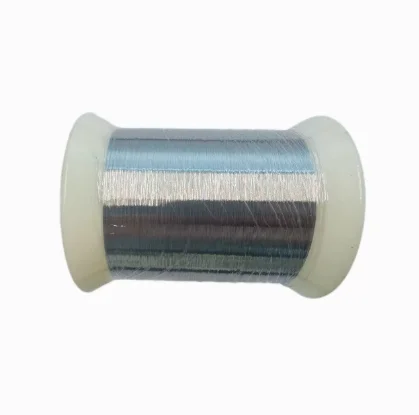
While stainless steel mig wire can weld plain steel wire components, it is not recommended for long-term chemical filtration use. Welding stainless steel mig wire to plain steel wire creates a galvanic couple, where the plain steel corrodes faster in chemical environments (due to differing electrode potentials). For chemical filtration systems, Xiangguang recommends using stainless steel mig wire exclusively with stainless steel wire components to ensure uniform corrosion resistance. Wholesalers can educate clients on this compatibility issue, preventing premature system failure and reducing warranty claims.
The lifespan of stainless steel wire in chemical filtration depends on grade, chemical exposure, and operating conditions: 304 grade stainless steel wire lasts 3-5 years in mild chemical environments (e.g., food-grade acids); 316L grade lasts 5-8 years in harsh acids or high temperatures; and 321 grade lasts 8-10 years in extreme conditions (e.g., high-temperature nitric acid filtration). Proper maintenance (e.g., regular cleaning to remove chemical deposits) can extend lifespan by 20-30%. Wholesalers can highlight this longevity to clients, positioning stainless steel wire as a cost-effective alternative to shorter-lived materials like plastic or carbon steel.
Hebei Xiangguang provides comprehensive support to wholesalers: 1) Sample kits—stainless steel wire meshes (various grades/pore sizes), stainless steel mig wire spools, and technical data sheets (chemical compatibility, temperature resistance) for client testing; 2) Customization services—custom mesh sizes, wire diameters, and stainless steel mig wire grades to meet specific filtration needs; 3) Logistics support—bulk shipping (via sea/land) to global markets, with reinforced packaging to prevent mesh damage; 4) After-sales support—24/7 technical consultation on mesh selection, welding techniques, and maintenance. With 36 years of expertise, Xiangguang ensures stable supply and competitive bulk pricing. To explore their steel wire products for chemical filtration, visit Hebei Xiangguang Metal Net Co., Ltd.’s webpage today!