Hit enter to search or ESC to close
26 January 2026
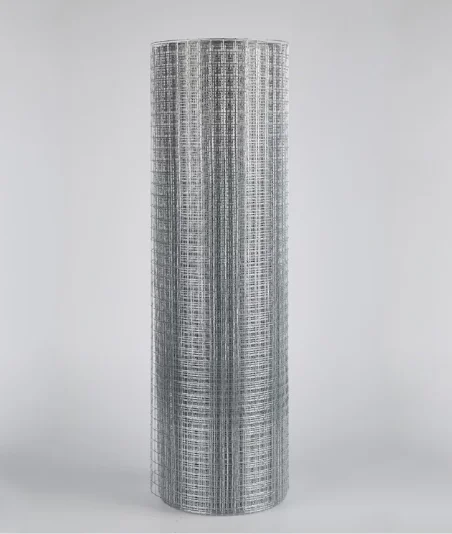
Stainless steel welded wire mesh is a versatile and durable material widely utilized across numerous industries for its strength, corrosion resistance, and adaptability. This guide delves into its key benefits, specific applications, and essential considerations for industrial buyers, highlighting why it is a preferred choice for filtration, screening, and structural purposes globally.
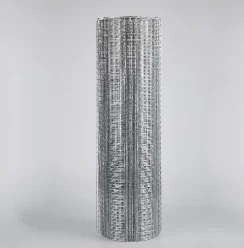
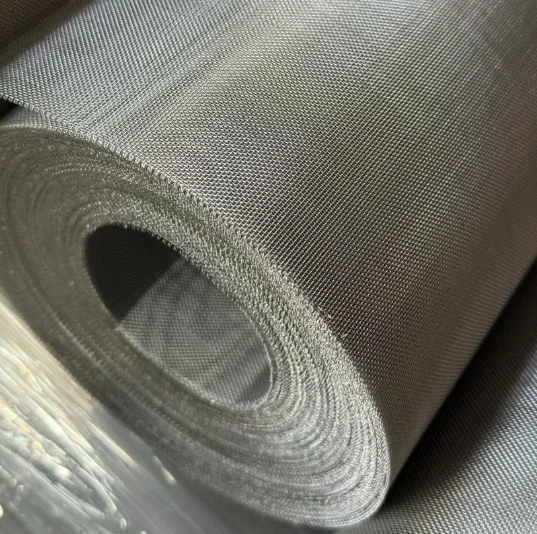
Stainless steel welded wire mesh offers unparalleled advantages in industrial settings. Its primary strength lies in its robustness and longevity. SS weld mesh provides exceptional structural integrity, making it ideal for heavy-duty applications such as machine guarding, partition systems, and support structures in construction and mining. The welded junctions ensure a rigid, fixed grid that resists deformation under stress, unlike woven alternatives. Furthermore, its smooth surface facilitates easy cleaning and prevents material buildup, crucial for industries like food processing and pharmaceuticals where hygiene is paramount. The material's versatility allows for customization in mesh size, wire diameter, and panel dimensions, enabling precise solutions for specific operational needs, from coarse screening in aggregate sorting to fine filtration in chemical processing.
When extreme environments demand superior performance, 316 stainless steel welded wire mesh stands out. This grade contains molybdenum, significantly enhancing its resistance to pitting and crevice corrosion caused by chlorides, acids, and saline conditions. This makes it the material of choice for challenging applications such as marine hardware, coastal architectural facades, chemical filtration plants, and offshore oil & gas operations. In regions with high humidity or exposure to aggressive industrial chemicals, like coastal areas in Southeast Asia or processing plants in Europe, 316 stainless steel welded wire mesh maintains its integrity and appearance where other metals would fail. Its durability translates to lower lifecycle costs, reducing the need for frequent replacement and maintenance, a critical factor for large-scale industrial and infrastructure projects.
Proper installation is key to maximizing the performance and lifespan of stainless steel welded wire mesh fencing for security, perimeter control, and animal enclosures. First, ensure posts (concrete, steel, or wood) are securely set at appropriate intervals to support the mesh tension. Use corrosion-resistant fasteners, such as 316 stainless steel clips or ties, to attach the mesh to the framework, preventing galvanic corrosion. For large panels, proper handling during installation is essential to avoid kinking; unroll or position the mesh carefully. Tensioning the mesh correctly during installation eliminates sagging and enhances security. Consider environmental factors: in windy coastal areas, a tighter mesh and robust posts are advisable. For agricultural use in the Americas, ensuring bottom-edge security prevents animal intrusion. Post-installation, a simple rinse can remove debris, maintaining its aesthetic and functional properties.
The core specifications are mesh count(openings per inch), wire diameter, and panel dimensions. The alloy type—304 or 316 stainless steel welded wire mesh—must be chosen based on the corrosion environment.
316 stainless steel welded wire mesh excels due to its molybdenum content, offering superior resistance to acids, chlorides, and solvents, making it ideal for chemical filtration and processing equipment.
SS weld mesh is fundamental in liquid and gas filtration for industries like water treatment, petrochemicals, food & beverage, and pharmaceuticals, providing precise particle separation and high flow rates.
Welded construction offers greater rigidity,stability, and resistance to unraveling under impact, making stainless steel welded wire mesh fencing more secure and durable for long-term perimeter security.
When sourcing stainless steel welded wire mesh, buyers should prioritize a manufacturer with verifiable industry expertise and stringent quality control, such as ISO 9001 certification. Look for advanced production capabilities that ensure precision, like CNC welding, and confirm the use of certified raw materials. A reliable partner should also offer comprehensive support, including custom specifications and robust global logistics for smooth delivery to your region.
Harness the durability, precision, and reliability of professional-grade stainless steel welded wire mesh for your next project. As a master manufacturer with over three decades of expertise, we ensure every product delivers consistent performance through advanced technology and rigorous quality assurance. From precise SS weld mesh for critical filtration to robust 316 stainless steel welded wire mesh for corrosive environments, we provide tailored solutions backed by secure global delivery. Contact our factory today to discuss your specific requirements and leverage our manufacturing excellence for your supply chain.