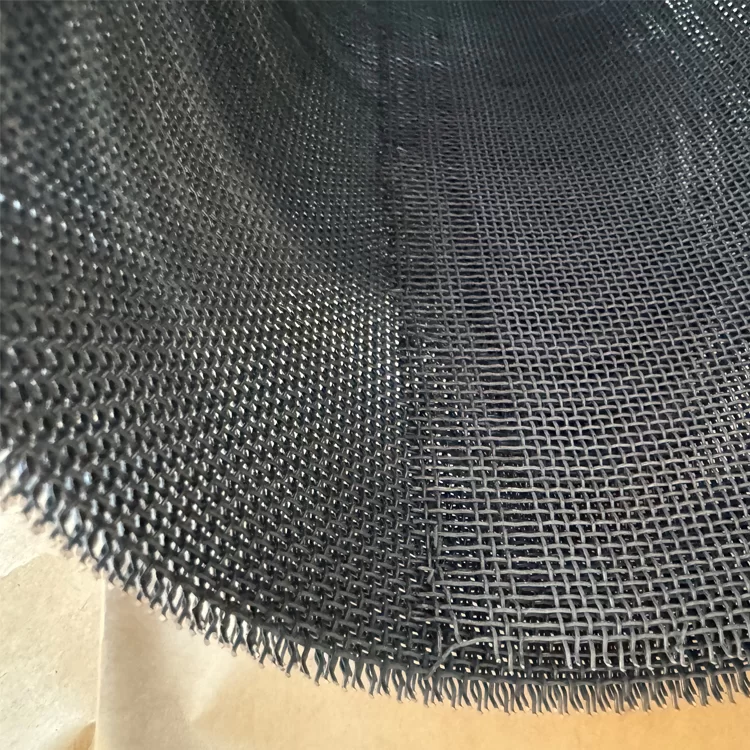
In modern architecture, interior design, furniture manufacturing, and industrial processing, material selection increasingly needs to balance practical performance with visual appeal. Brass wire mesh has become a popular choice because it combines the functional advantages of metal mesh with the warm, sophisticated appearance of brass. Its woven structure provides ventilation, filtration, and flexibility, while its natural golden tone adds an attractive decorative element to furniture, cabinets, walls, ceilings, and architectural spaces. As a versatile form of copper alloy mesh, brass mesh can be manufactured in different mesh counts, wire diameters, and configurations to meet both functional and aesthetic requirements. From industrial applications to brass mesh for cabinet doors, this material offers an effective solution for projects that require durability without sacrificing design quality.
What Is Brass Wire Mesh?
Brass wire mesh is a woven mesh product manufactured from brass wire, which is primarily an alloy of copper and zinc. As a type of copper alloy mesh, brass combines the useful characteristics of copper with the additional strength, hardness, and distinctive appearance provided by zinc. Through professional weaving processes, brass wire can be converted into mesh structures with controlled openings and consistent dimensions.
The manufacturing process allows brass wire mesh to be produced in different specifications according to application requirements. Mesh count, wire diameter, opening size, roll width, and weaving pattern can all influence the final performance and appearance of the product. Plain weave is widely used when a uniform structure and consistent openings are required, while other weaving patterns can provide different levels of strength and visual texture.
Unlike ordinary metal screens that are selected primarily for technical performance, brass wire mesh can serve both functional and decorative purposes. Its warm metallic color makes it especially attractive in interior design, furniture, retail displays, architectural projects, and customized decorative installations.

Why Brass Wire Mesh Offers Both Functionality and Style
Brass Wire Mesh Provides Reliable Structural Performance
One of the key advantages of brass wire mesh is its balance between strength and workability. Brass is sufficiently durable for many commercial and industrial applications while remaining relatively easy to fabricate. Depending on the alloy composition and mesh specification, brass mesh can be cut, formed, stretched, and incorporated into different structures.
The woven structure also provides flexibility that is difficult to achieve with solid metal panels. This makes brass wire mesh suitable for applications where a material needs to follow a particular shape or be integrated into a customized frame.
At the same time, the open structure allows air and light to pass through the mesh. This makes brass mesh particularly useful for applications where designers want to create visual separation without completely blocking ventilation or visibility.
Brass Wire Mesh Creates a Distinctive Decorative Effect
The aesthetic characteristics of brass wire mesh are another important reason for its popularity. Brass naturally provides a warm metallic appearance that can complement wood, glass, stone, concrete, and other interior materials. Depending on the finish and surrounding environment, it can create either a classic, traditional appearance or a modern and luxurious visual effect.
For designers, this combination of transparency and metallic texture offers considerable creative freedom. A decorative brass mesh panel can function as a partition, cabinet insert, wall feature, ceiling element, or display surface while contributing to the overall visual identity of an interior space.
How Copper Alloy Mesh Supports Diverse Applications?
Copper Alloy Mesh Combines Conductivity and Durability
As a form of copper alloy mesh, brass mesh benefits from the fundamental properties of copper while offering different mechanical and aesthetic characteristics. Copper is known for its electrical and thermal conductivity, while brass generally provides greater hardness and strength than pure copper.
This balance makes copper alloy mesh useful in applications where conductivity, mechanical performance, appearance, and corrosion resistance need to be considered together. Brass can therefore serve industries that require more than simple screening or separation.
The specific properties of a brass mesh product depend on its alloy composition and manufacturing specifications. For demanding projects, selecting the appropriate brass grade and mesh structure is important to ensure that the finished product performs reliably throughout its service life.
Copper Alloy Mesh Provides Flexible Design Possibilities
The versatility of copper alloy mesh extends beyond conventional industrial screening. Brass mesh can be manufactured in fine or relatively open configurations, allowing architects and manufacturers to select a suitable appearance and functional performance for different projects.
Fine mesh can create a more refined and visually dense surface, while larger openings can emphasize transparency and airflow. This flexibility allows brass wire mesh to adapt to different design concepts without requiring a completely different material system.
Why Brass Mesh for Cabinet Doors Is a Practical Design Choice
Brass Mesh for Cabinet Doors Improves Ventilation and Visibility
One of the most attractive applications is brass mesh for cabinet doors. Traditional solid cabinet doors can completely conceal the contents and restrict airflow. Using brass mesh as an insert creates a semi-transparent surface that allows users to see the contents while maintaining a degree of visual separation.
The open structure of brass mesh for cabinet doors also supports ventilation, which can be useful for cabinets containing equipment, tableware, decorative objects, or other items that benefit from air circulation.
Brass Mesh for Cabinet Doors Enhances Furniture Design
Beyond functionality, brass mesh for cabinet doors provides a distinctive decorative feature. The warm metallic color can complement natural wood, painted surfaces, dark finishes, and glass components, giving furniture a more sophisticated appearance.
Kitchen cabinets, wardrobes, display cabinets, bar cabinets, storage units, and custom furniture can all incorporate brass mesh inserts. Designers can select different mesh counts and wire diameters to achieve different levels of transparency and visual density.
For furniture manufacturers, brass wire mesh can also be cut and fabricated according to specific door dimensions. This makes it possible to create customized cabinet designs rather than relying solely on standard components.
How to Choose the Right Brass Wire Mesh——H2
Selecting the correct brass wire mesh requires consideration of both technical and visual requirements. Mesh count determines the number of openings within a given area, while wire diameter influences strength, weight, openness, and appearance. For cabinet and decorative applications, designers may prioritize visual density and finish, whereas industrial applications may focus more heavily on filtration performance and mechanical requirements.
Selection Factor
| Why It Matters
|
Brass Grade
| Influences mechanical and material properties
|
Mesh Count
| Determines opening size and visual density
|
| Wire Diameter | Affects strength, weight, and appearance |
Weaving Pattern
| Influences structure and decorative effect
|
Mesh Size
| Determines the level of transparency and airflow |
Surface Finish
| Influences the final decorative appearance
|
Panel or Roll Form
| Depends on fabrication and installation requirements
|
For projects involving brass mesh for cabinet doors, the mesh should also be selected according to the door structure, frame design, desired transparency, and installation method. For architectural projects, the overall visual effect and environmental conditions should be considered together.

Brass Wire Mesh as a Long-Term Material Choice
The growing use of brass wire mesh demonstrates how functional materials can also contribute to visual design. Its combination of strength, workability, ventilation, controlled openings, and attractive metallic appearance allows it to serve many different purposes.
As a versatile copper alloy mesh, brass offers a useful balance between performance and aesthetics. In industrial environments, it can support filtration, screening, and ventilation applications. In architecture and furniture manufacturing, decorative brass mesh can transform ordinary surfaces into visually distinctive design elements.
From large architectural installations to brass mesh for cabinet doors, the material provides designers, manufacturers, and contractors with a flexible solution that can be customized for specific requirements.
With more than 36 years of manufacturing experience since 1989, Hebei Xiangguang Metal Net Co., Ltd. has developed from a local workshop into an experienced wire mesh manufacturer serving customers in more than 100 countries and regions. Our product range covers stainless steel wire mesh, special alloy wire cloth, copper alloy mesh, brass and copper mesh, wire mesh filters, security and fly screen mesh, and architectural decorative mesh. Supported by more than 100 advanced mechanical equipment units, over 10,000 square meters of factory space, strict quality control, and an experienced professional team, we are capable of providing reliable brass wire mesh for both industrial and decorative applications. Whether you need decorative brass mesh, customized brass mesh for cabinet doors, or other woven mesh solutions, we can develop products according to your specifications and project requirements. Contact Hebei Xiangguang Metal Net Co., Ltd. today for professional advice, customized solutions, and a competitive quotation for your brass wire mesh project.
FAQs About Brass Wire Mesh
What is brass wire mesh used for?
Brass wire mesh is used in filtration, screening, ventilation, architectural decoration, furniture manufacturing, cabinet doors, equipment covers, and various industrial applications. Its combination of durability, workability, and attractive appearance makes it suitable for both functional and decorative projects.
Is brass wire mesh a type of copper alloy mesh?
Yes. Brass is primarily an alloy of copper and zinc, so brass wire mesh is a type of copper alloy mesh. Compared with pure copper mesh, brass generally offers different mechanical and aesthetic characteristics while retaining useful copper-based properties.
What makes decorative brass mesh suitable for interior design?
Decorative brass mesh combines an attractive metallic appearance with an open woven structure. It can provide visual separation, ventilation, texture, and light transmission while adding a warm and sophisticated appearance to interior spaces.
Why is brass mesh for cabinet doors becoming popular?
Brass mesh for cabinet doors provides a practical alternative to solid door panels. It can improve ventilation and visibility while adding a distinctive decorative element to kitchen cabinets, display cabinets, wardrobes, bar cabinets, and customized furniture.
How can I choose a reliable brass wire mesh manufacturer?
When choosing a brass wire mesh manufacturer, consider manufacturing experience, material quality, mesh accuracy, customization capabilities, production equipment, quality control, and export experience. A manufacturer with strong technical and production capabilities can provide more consistent products for demanding industrial and architectural applications.