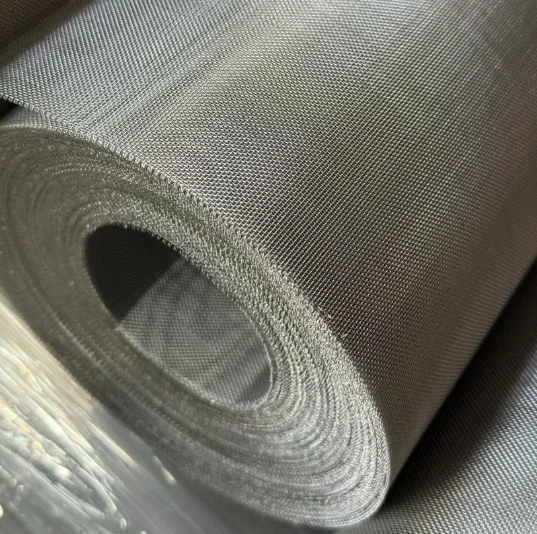
Understanding 5 Micron Stainless Steel Mesh: A Tiny Marvel With Big Impact
When we say “5 micron stainless steel mesh,” you might picture a microscopic sieve that’s only slightly bigger than a bacterium. But this tiny, ultra-fine mesh has become a global game-changer in filtration technology, industrial processes, and even humanitarian aid. It’s fascinating how such a precise piece of metal weaving can filter contaminants, secure medical environments, or improve water sanitation in remote parts of the world. In broad strokes: it matters because clean air, clean water, and reliable filtration systems are foundational to health, safety, and sustainability worldwide.
The Global Context: Why the World Needs Fine Filtration Solutions
According to the World Health Organization, about 2 billion people globally lack access to safely managed drinking water (WHO, 2023). Needless to say, advanced filtration plays a huge role in meeting that challenge. Far beyond household filters, industrial and environmental sectors demand microscopic precision — that’s where 5 micron stainless steel mesh steps in. It withstands harsh conditions and filters particles down to 5 micrometers, roughly a tenth of the thickness of a human hair.
ISO standards on filtration technology (ISO 16889:2018) highlight the need for durable, highly precise filtration media to ensure consistent quality and efficiency. From petrochemical plants tackling complex impurities to water treatment zones and even food safety lines — the ability to filter contaminants this fine is vital. Oddly enough, it’s a tool that quietly underpins so much of modern life but often doesn’t get the spotlight.
Mini takeaway: The worldwide push for clean water and pollution control makes the demand for 5 micron stainless steel mesh not just relevant but increasingly urgent.
What Exactly Is 5 Micron Stainless Steel Mesh?
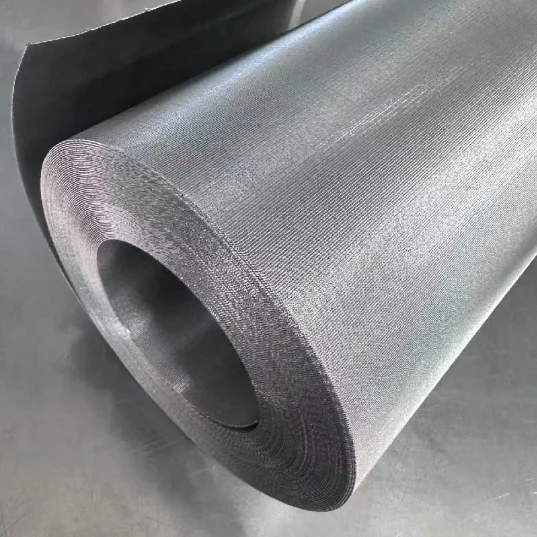
Put simply, it’s a woven or sintered mesh made from stainless steel strands, with openings small enough to capture particles five micrometers in size. That’s about 0.005 millimeters. These meshes combine the toughness of corrosion-resistant steel with the finesse needed for ultra-fine filtration. In modern industry, that’s gold. It lets engineers and scientists filter liquids, gases, or powders while resisting heat, chemicals, and physical wear.
Think about humanitarian efforts in disaster zones: filtering water from unsafe sources fast and reliably means fewer illnesses and saved lives. Or consider pharma where controlling impurities at microscale is mandatory. The mesh isn’t just a filter — it’s a lifeline.
Core Components of 5 Micron Stainless Steel Mesh
1. Durability
The stainless steel construction offers rugged protection against corrosion, temperature swings, and mechanical stress. Unlike some polymer filters, this mesh can be cleaned, reused, and lasts for years — important for remote locations where replacement isn’t trivial.
2. Precision
At 5 microns, the mesh opening size is standardized and highly repeatable, so filtration efficiency doesn’t waver batch to batch. This improves trust in critical applications like pharmaceutical manufacturing or air purification in hospitals.
3. Versatility
Depending on the weave and thickness, the mesh adapts to liquids, gases, or powder filtration. It fits into devices ranging from small lab apparatuses to large industrial filters.
4. Cost Efficiency
While the initial investment in quality mesh may be higher than generic filters, its longevity and reduced replacement frequency save money in the long term. Factoring in less downtime and waste, it’s a smart choice.
5. Sustainability
Made of recyclable steel with long usable life, the 5 micron stainless steel mesh aligns well with circular economy efforts, minimizing landfill waste from disposables.
Mini takeaway: Durability, precision, and cost efficiency come together in this product, making it ideal for demanding environments.
Global Applications: Bringing the Mesh to Life
The beauty of the 5 micron stainless steel mesh lies in its broad application spectrum — from industrial giants to grassroots humanitarian efforts. Here are just a few examples:
- Water Treatment Plants: Removing fine particulates and microplastics in Europe and Asia, ensuring millions access clean water daily.
- Pharmaceutical Industry: Precision filtration in drug manufacturing, common in North America and Europe, ensuring product safety.
- Oil and Gas Sector: Filtering dust and debris in equipment, enhancing process stability in the Middle East’s energy hubs.
- Post-Disaster Relief: NGOs deploy portable filtration units equipped with this mesh for quick water purification in flood zones and earthquake aftermaths.
- Food and Beverage Production: Ensuring purity and consistency in juice, beer, and dairy processes throughout South America.
For example, during the 2022 flood relief in Southeast Asia, aid organizations implemented 5 micron mesh filters in mobile water stations. These units dramatically reduced waterborne diseases locally, illustrating the tangible impact beyond just engineering specs.
Advantages and the Long-Term Value of 5 Micron Stainless Steel Mesh
Why choose this mesh over cheaper alternatives? For starters, its robustness means fewer replacements, which feels great on procurement budgets and reduces landfill. The precision offers peace of mind to operators who depend on clean input for their processes. There’s also a social dimension — safer water equals healthier communities, supporting social stability and development.
Picture a remote village relying on this technology; it’s not just about filtration, it’s about dignity, equity, and health. These emotional and practical benefits coalesce, embodying a truly innovative solution that builds trust and encourages adoption worldwide.
Product Specification Table
| Specification |
Details |
| Mesh Opening Size |
5 Micrometers (μm) |
| Material |
Stainless Steel 304 / 316 options |
| Thickness |
50 - 150 microns (customizable) |
| Max Operating Temperature |
Up to 600°C (depending on grade) |
| Chemical Resistance |
High resistance, suitable for acids and bases |
| Typical Applications |
Water filtration, air purification, pharmaceutical processing |
Future Trends and Innovations with 5 Micron Stainless Steel Mesh
Looking ahead, advancements in textile engineering and nanotechnology are pushing filtration boundaries even finer. Coatings that repel biofilms or self-cleaning surfaces reduce maintenance. Digital sensor integration enables real-time monitoring of mesh performance and clogging status — making filters not just passive devices, but smart components.
Further, as green energy gains momentum, filtration media that support hydrogen production, or sustainable chemical manufacturing, become increasingly vital. Stainless steel meshes might become cornerstones of circular industrial ecosystems. Frankly, the mesh’s future is intertwined with big shifts in industrial automation and sustainability policies.
Challenges and Solutions in Deploying 5 Micron Stainless Steel Mesh
That said, they’re not perfect. One challenge: clogging can occur in highly turbid environments, reducing flow rate and requiring cleaning. But clever weave patterns, and the rise of ultrasonic cleaning tech, are lowering downtime. Another hurdle: initial costs can be daunting, especially for NGOs or small enterprises, but leasing models or modular replacements mitigate that.
Also, ensuring consistent quality from suppliers is crucial, hence standardized certifications play a big role. Engineers advocate partnering with trusted vendors who offer customization and testing support — this really makes or breaks performance.
Vendor Comparison Table
| Vendor |
Material Grade Options |
Customization |
Typical Delivery Time |
Price Range |
| Metal Filters Inc. |
304, 316L |
Standard sizes, limited thickness |
2-3 weeks |
$$$ |
| Precision Mesh Co. |
304, 316, Specialty alloys |
Fully customizable weave, coatings |
3-5 weeks |
$$$$ |
| Global Mesh Solutions |
304 only |
Standard specs only |
1-2 weeks |
$$ |
Frequently Asked Questions About 5 Micron Stainless Steel Mesh
Q1: How does 5 micron stainless steel mesh compare to polymer filters?
A1: Stainless steel mesh offers superior durability, chemical resistance, and temperature tolerance. Polymer filters may clog faster and degrade under heat or chemicals. For applications needing repeated sterilization and long service life, stainless steel is often preferred.
Q2: Can the mesh be cleaned and reused?
A2: Absolutely. One of its advantages is cleanability through ultrasonic baths, backflushing, or chemical cleaning without degradation. This makes it cost-effective and environmentally friendly over disposable alternatives.
Q3: Is the 5 micron size sufficient for removing bacteria in water?
A3: While 5 micron mesh filters out most particulates and some larger bacteria, it’s generally combined with other disinfection methods (like UV or chemical treatment) for full pathogen removal, as some bacteria and viruses can be smaller than 5 microns.
Q4: How customizable is the mesh for specific industrial needs?
A4: Vendors usually offer a range of weave patterns, wire thicknesses, and material grades to optimize for flow rate, strength, and chemical exposure. Custom coatings can also enhance properties like anti-fouling.
Q5: Are there environmental benefits using stainless steel mesh?
A5: Yes, its durability reduces landfill waste from disposables. Being metal, it’s recyclable at end of life. Plus, its reusability lowers resource consumption over time.
Wrapping It Up
All things considered, 5 micron stainless steel mesh might seem like a small piece of metal — but it’s a fundamental technology underpinning safer industries, cleaner water, and healthier communities worldwide. Its blend of precision, longevity, and sustainability means its role is only set to grow. If you want to explore specific grades or order custom sizes, visit our website: https://www.topmetalmesh.com. Seriously, once you look close, it’s hard not to appreciate the mesh network powering modern filtration.
References
- World Health Organization: Drinking water
- ISO 16889:2018 - Hydraulic Fluid Power - Filters
- Wikipedia: Stainless steel