Hit enter to search or ESC to close
5 November 2025
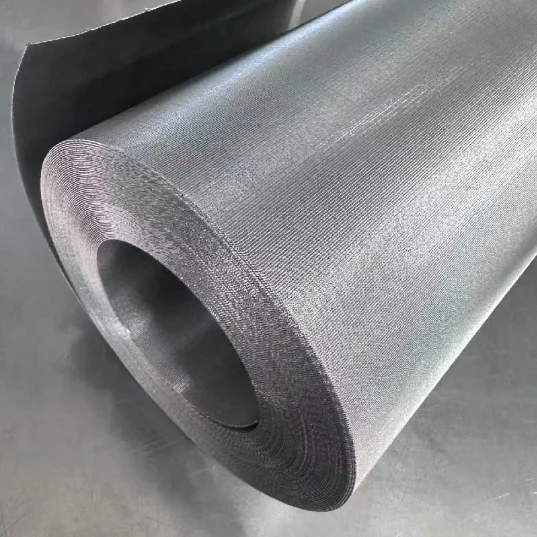
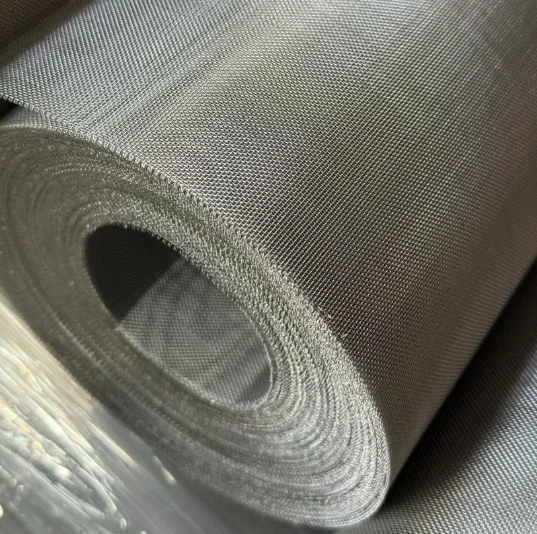
In demanding industrial environments where strength, stability, and precise filtration are non-negotiable, standard woven wire mesh can sometimes fall short under significant load or impact. The need for a robust screening medium that maintains its structural integrity under stress is paramount for operations in mining, quarrying, and heavy-duty sorting. Hebei Xiangguang Metal Net Co., Ltd. meets this challenge with our engineered crimped mesh products. The defining feature of this mesh is the pre-crimping of both the warp and weft wires before weaving, creating heavy-duty crimps that lock firmly together at their intersections. This interlocking structure provides exceptional resistance to deformation, ensuring the mesh retains its precise opening size and flat, stable surface even under extreme conditions.
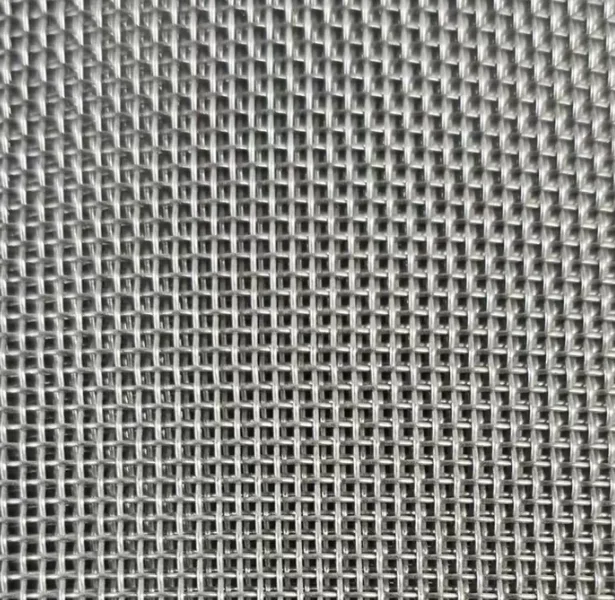
l The superior stability of steel crimped wire mesh originates from its unique manufacturing process. Before being woven, each individual wire is passed through a machine that impresses a series of waves or corrugations—the crimps—along its length. When these pre-crimped wires are woven together, the peaks and troughs of adjacent wires nest perfectly into one another. This mechanical interlocking is what sets steel crimped wire mesh apart.
l It prevents the wires from shifting or sliding under vibration, impact, or heavy load, a common failure point in plain woven meshes. This locked construction creates a rigid, non-flexing panel that is ideal for applications like vibrating screens in aggregate processing, where maintaining a consistent aperture size is critical for efficient and accurate sorting.
l For operations in corrosive environments—such as chemical processing, food and pharmaceutical production, or coastal applications—the material composition is as important as the weave. Our stainless steel crimped wire mesh combines the structural benefits of the crimped weave with the inherent corrosion resistance of stainless steel alloys like 304 or 316.
l The passive oxide layer on the stainless steel protects the mesh from rust and chemical attack, ensuring a long service life. The robust crimped structure further enhances this durability by resisting abrasive wear. This makes stainless steel crimped wire mesh an indispensable material for demanding tasks like sizing corrosive minerals, filtering chemical slurries, or providing secure, long-lasting partitions in harsh industrial settings.
l The fundamental advantage of crimped mesh lies in the positive locking mechanism created by its design. In a plain square weave, the wires are simply over-and-under, held in place by friction. Under cyclic stress, these wires can rotate or shift, leading to a change in aperture size and eventual failure. In contrast, the crimps in our crimped mesh act as a series of physical stops.
l Each wire is securely cradled within the crimp of its perpendicular counterpart. This interlocking effect distributes applied forces evenly across the entire mesh panel, eliminating localized stress points. This resistance to wire movement is crucial for applications involving constant vibration or heavy, abrasive materials, guaranteeing that the screening performance remains consistent and reliable over time.
The main functional advantage of crimped mesh is its exceptional structural stability and resistance to deformation under load and vibration. The pre-crimping of the wires before weaving creates a mechanically interlocking structure where the wires cannot easily shift or slide. This locking action ensures the mesh openings remain consistent and the panel stays flat and rigid, making it far superior to plain woven mesh for heavy-duty screening, sorting
Steel crimped wire mesh withstands heavy impact and abrasion through a combination of its material strength and its interlocking weave. The crimps create a more substantial contact point between wires, distributing impact forces across a wider area rather than concentrating them on a single friction point. This prevents localized failure. Furthermore, the use of high-carbon or high-tensile steel wire provides the inherent hardness needed to resist cutting and wear from abrasive materials like rocks and minerals.
Yes, stainless steel crimped wire mesh is highly suitable for many food processing applications, particularly those involving sorting, sizing, or dewatering of food products. The smooth, easy-to-clean surface of stainless steel meets hygienic requirements. However, for direct contact with food in fine filtering, a double crimp or a plain Dutch weave might be preferred to avoid potential pockets.
The difference lies in the crimping pattern and the resulting stability. In a standard lock crimp crimped mesh, wires are crimped and then woven so that the crimps lock at every intersection, providing good general stability. In a double crimp crimped mesh, additional, smaller crimps are added between the locking intersections.
Absolutely. A key strength of crimped mesh is its high degree of customizability. At Hebei Xiangguang Metal Net Co., Ltd., we can produce crimped mesh with a wide range of opening sizes (apertures) and various wire diameters (gauges) to meet specific application requirements. The combination of wire thickness and crimp size determines the mesh's strength, open area, and filtration capabilities.