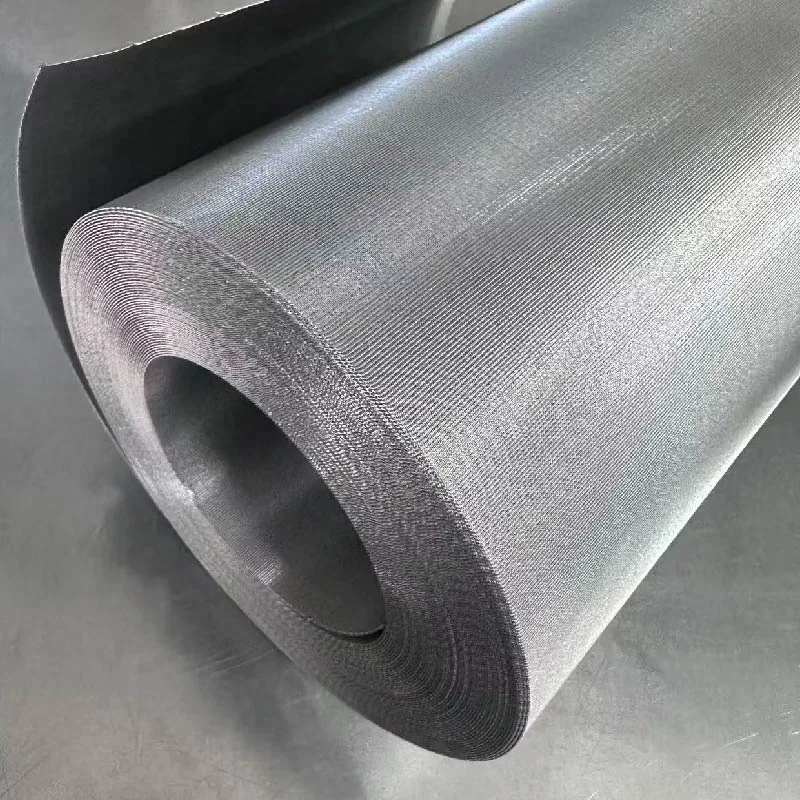
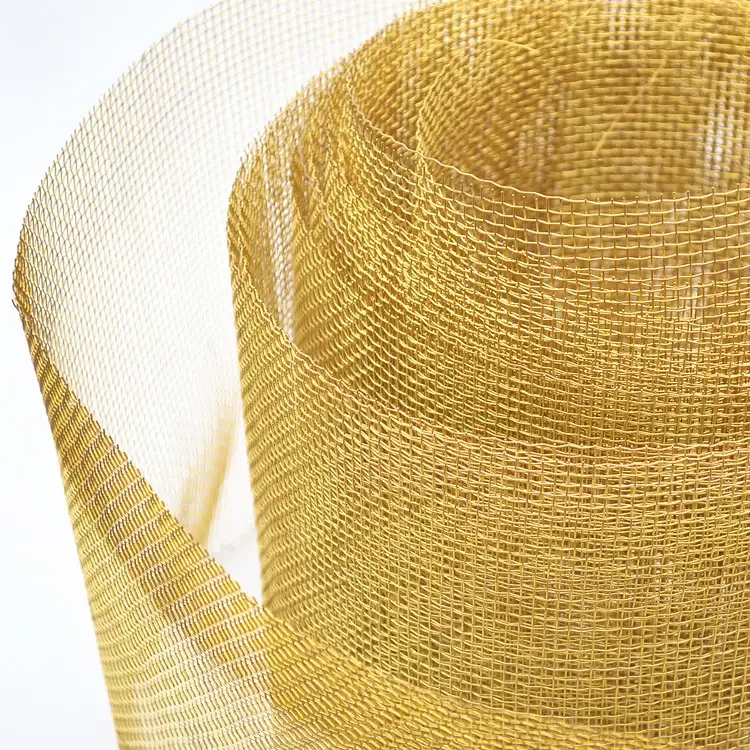
Most pest control starts with something you have to replace: poison that needs re-baiting, traps that need resetting, foam that mice chew through in a night.copper wire mesh is the opposite. It is a permanent barrier that a mouse cannot chew, that does not rust in the damp spots where rodents actually travel, and that keeps working the day you fit it and the year after. That is why it has become the default answer in food plants, warehouses, bakeries and homes that are done with repeat infestations. It is one of those materials that quietly earns its place once it is fitted and then forgotten — no reordering, no respraying, no seasonal return.
This article focuses on the one job copper wire mesh does best — keeping mice and rats out — while still letting a building breathe through vents and weep holes. It covers why copper beats traps and poison, where to fit copper rodent mesh so it stays, how to choose the right copper screen mesh for an opening, and how to order it cut to size. The angle is practical because the goal is not a clever barrier but a closed one. With that in mind, the recommendations below are drawn from how these products behave in real buildings rather than from a sales sheet.

Why Copper Mesh for Mice Works When Traps and Poison Do Not
Traps catch one mouse; poison kills one rodent; copper mesh for mice closes the route that brought all of them in. The difference is strategy. copper mesh for mice does not depend on a mouse touching it, walking into it, or eating it. It simply sits across the entry point and stays there. One roll stops a whole generation of rodents rather than one individual, and it does the job without bait that children or pets can reach. For a plant that runs around the clock, that peace of mind matters more than the saving on the first roll.
The other reason copper wins is that mice test a barrier at its weakest edge. Foam compresses, plastic snaps, thin aluminium tears. copper mesh for mice is woven from drawn wire with enough stiffness to hold its shape, and the metal's surface deters gnawing where a softer sheet would give way. Fit it properly once and the entry point stays closed; there is nothing left to reset, rebait or remember. And because it is a physical barrier, it cannot build resistance the way a poison can.
Copper Rodent Mesh for Pipes, Gaps and Rooflines
Rodents do not break in through a single obvious hole — they flatten themselves through a gap the width of a pencil, so the mesh has to cover the whole route. copper rodent mesh belongs wherever the pest finds a way in: around pipe penetrations, under garage doors, along rooflines and vents, and into wall cavities at floor level. Work the perimeter, not the visible hole, and the problem stops being re-infested. Walk the building once with a torch and a roll of mesh, and you close the routes that the pest contractors keep charging you to visit.
How you fix it decides whether it lasts. copper rodent mesh nailed loosely will be pushed aside; pushed into a crack it may come loose in months. The durable approach is a stiff-edged panel cut to the opening and held with staples, screws or cement along the full edge, so there is no soft corner for a rodent to prize open. Copper stays flexible enough to trim with snips yet holds that edge for years without rusting.
Copper Screen Mesh for Vents: Stop Pests, Keep the Air
A building still needs air after the rodents are gone, and that is where copper screen mesh earns its keep. Stuffed into a vent or a weep hole, copper screen mesh blocks insects and juvenile rodents while letting the airflow continue — because it is woven, not solid. Unlike a caulked gap or a plug, it does not trap moisture or starve the room of ventilation. You close the pest route and keep the breathing at the same time. That balance is exactly what a vent screen is supposed to offer, and it is why the mesh is specified rather than improvised.
copper screen mesh also resists the environment that kills other screens. In an exterior vent exposed to rain, salt air and temperature swings, a galvanised screen rusts and an aluminium one corrodes. Copper develops a stable patina instead, so the weave stays intact and keeps its mesh count. For a building owner or contractor, that means fitting it once and not returning to replace it.
Copper Screen Mesh Open-Area Numbers That Matter
Open area is the number that separates a screen from a plug. copper screen mesh comes in a range of counts and wire diameters, and the open-area percentage tells you how much air still passes after installation. In a mechanical vent or a louver, a screen with too little open area starves the room and forces the fan to work harder; one with too much lets the smallest pests squeeze through. Read the figure before you order, not after. The same number tells a contractor how much fan energy the screen will cost over a decade, so it is worth getting right once.
The practical rule is short. Choose the smallest opening that still gives you the airflow you need. A coarse count guards a weep hole without blocking drainage; a denser copper screen mesh suits insect screening on a kitchen or server-room vent. If a supplier cannot state the open-area number, they cannot guarantee the vent will perform — and that is the moment to look elsewhere.
Ordering Copper Wire Mesh Screen Cut to Size
When you order, copper wire mesh screen should come with the details that make installation straightforward: the exact mesh count, the wire diameter, and the cut size you actually need. copper wire mesh screen cut to size saves you the trimming and waste that follows from buying a whole roll for a single opening. It also lets you order one consistent specification across a whole project instead of a patchwork of leftovers. Standard sizes are stocked for the common openings, so a small job can move without waiting on a custom cut.
Ask for the open-area figure, the alloy and the edge finish on the quote. A screen that is right on count but sloppy on the edge will unravel at the fixing points. A supplier who offers copper wire mesh screen pre-cut, edge-finished and batch-checked removes the fiddly part of the job and gives you a part you can fit and forget.
That is the standard we build on at Hebei Xiangguang Metal Net Co., Ltd. Established in 1989 and based in Anping, Hebei — the heart of China's wire-mesh industry — we weave and finish copper wire mesh, copper mesh, copper rodent mesh and copper screen mesh alongside our stainless, alloy and brass/copper/bronze lines for more than three decades. We supply copper wire mesh screen cut to your dimensions, edge-finished and inspected before shipping, with mill certificates on request. Send us your mesh count, wire diameter and cut size today for a competitive quote — you are ordering from a supplier that has woven wire mesh for a living since 1989. We ship worldwide in rolls or pre-cut panels, and every batch is inspected before it leaves the factory floor.