Hit enter to search or ESC to close
20 March 2026
In the industrial and manufacturing sectors, stainless steel wire is a critical material known for its durability, corrosion resistance, and versatility. From filtration and separation to structural reinforcement and protective applications, stainless steel wire plays a vital role in various industries. Available in sizes ranging from 0.08 mm to 1.00 mm, it offers precision, strength, and reliability for demanding applications. This article explores the common specifications, materials, and applications of stainless steel wire, including options like 0.05 mm stainless steel wire, 304 stainless wire, and 316 stainless steel wire. It also discusses the benefits of sourcing high-quality stainless steel wire wholesale for industrial projects.
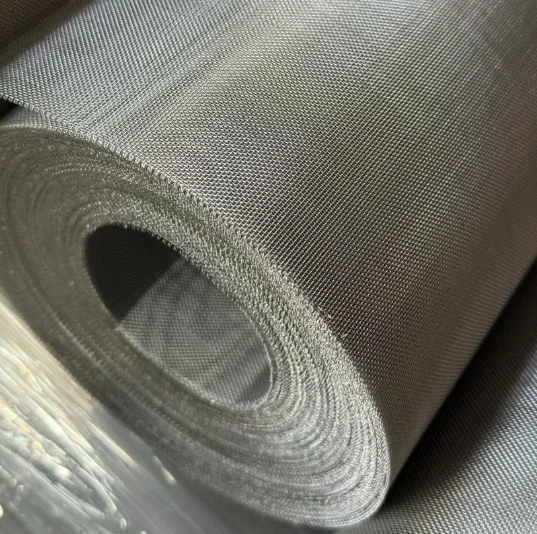
Stainless steel wire is manufactured by drawing stainless steel rods through a series of dies to achieve precise diameters, typically ranging from 0.08 mm to 1.00 mm. This wire can be used directly or woven into stainless steel wire mesh for filtration, sieving, reinforcement, or protective purposes. Unlike ordinary iron wire, stainless steel wire offers superior corrosion resistance, high-temperature tolerance, and long-lasting durability.
Common types include 304 stainless wire, known for its excellent corrosion resistance and suitability for general industrial applications, and 316 stainless steel wire, which contains molybdenum for enhanced corrosion resistance in harsh environments such as chemical plants and marine applications. For thicker needs, 2mm 316 stainless steel wire provides high strength and durability in structural or heavy-duty applications.
Hebei Xiangguang Metal Net Co., Ltd., established in 1989, has grown from a small workshop to a leading wire mesh and stainless steel wire manufacturer in North China. With over 36 years of experience, the company combines traditional craftsmanship with modern industrial technology to produce high-quality stainless steel wire. Our products are widely used in filtration, construction, medical devices, and industrial machinery, making us a trusted supplier for domestic and international clients.
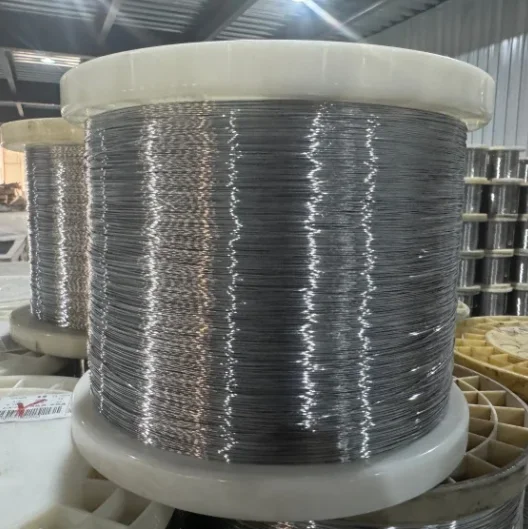
The performance of stainless steel wire depends on the material and processing method. Common materials include:
304 Stainless Wire: Offers reliable corrosion resistance, affordability, and suitability for general industrial and filtration purposes.
316 Stainless Steel Wire: Enhanced with molybdenum, ideal for corrosive environments and high-temperature applications, available in sizes like 0.05 mm stainless steel wire and 2mm 316 stainless steel wire.
Production involves several precise steps:
Wire Drawing: Stainless steel rods are drawn through dies to achieve the desired diameter, such as 0.08 mm, 0.1 mm, or up to 1.00 mm.
Annealing: The wire is heat-treated to improve flexibility, strength, and corrosion resistance.
Inspection & Packaging: Rigorous quality control ensures uniform diameter, surface smoothness, and consistent mechanical properties.
These processes ensure that stainless steel wire is suitable for a range of demanding industrial applications, from precision filtration to structural reinforcement.
Stainless steel wire is available in diameters from 0.08 mm to 1.00 mm, with customizable specifications based on mesh count, tensile strength, and corrosion resistance requirements. Key considerations include:
Wire Diameter: Determines strength and mechanical performance. Options include ultra-fine 0.05 mm stainless steel wire for precision applications or 2mm 316 stainless steel wire for heavy-duty usage.
Material Type: 304 stainless wire for general industrial use and 316 stainless steel wire for corrosive environments.
Surface Finish: Smooth and uniform surfaces improve hygiene and reduce contamination risk.
Common applications across industries include:
Industry | Applications | Key Benefits |
Filtration | Sieving, liquid and gas filtration | Precision, corrosion resistance |
Chemical & Marine | Equipment reinforcement, safety cages | Resistance to corrosive chemicals |
Construction | Structural reinforcement, wire supports | High tensile strength, durability |
Medical | Surgical meshes, device reinforcement | Hygiene, precision |
For businesses sourcing stainless steel wire wholesale, these specifications ensure optimal performance and cost-effectiveness for large-scale industrial projects.
Stainless steel wire offers several advantages:
Corrosion Resistance: Suitable for harsh environments, including chemical processing and marine applications.
High Strength: Capable of withstanding mechanical stress, tensile load, and repeated use.
Precision and Versatility: Available in diameters from 0.08 mm to 1.00 mm, including 0.05 mm stainless steel wire, providing applications from micro-filtration to structural support.
Durable and Reusable: Long service life reduces replacement costs.
When purchasing stainless steel wire for sale, consider:
Material Selection: 304 stainless wire for general industrial use; 316 stainless steel wire for corrosive or high-temperature environments.
Diameter & Specifications: Match the wire diameter (0.08 mm-1.00 mm) and tensile strength to the application.
Customization: Tailored solutions can meet unique industrial requirements.
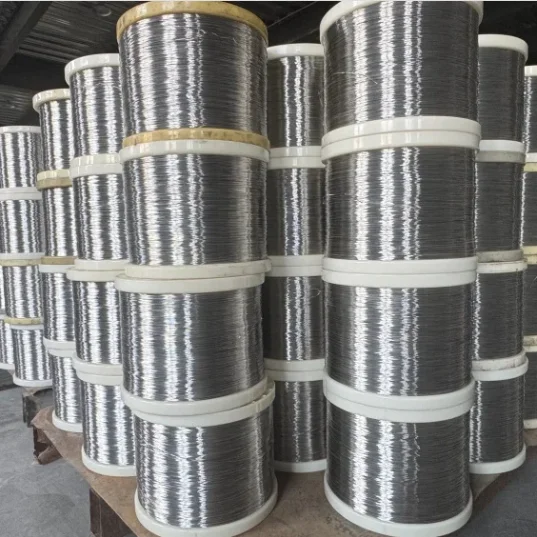
Hebei Xiangguang Metal Net Co., Ltd. provides high-quality stainless steel wire wholesale with reliable production, secure packaging, and timely delivery. Products are packaged in spools, cartons, or wooden cases to ensure safe transit.
What are the benefits of stainless steel wire?
Stainless steel wire provides exceptional corrosion resistance, high strength, durability, and versatility. It is suitable for industrial filtration, medical devices, reinforcement, and protective applications. Its smooth surface makes cleaning easy, and its long service life ensures cost-effectiveness.
Consider the environment, required strength, and application. Use 304 stainless wire for general purposes and 316 stainless steel wire for corrosive or high-temperature conditions. Wire diameter, tensile strength, and surface finish should align with project needs.
Applications include filtration in chemical, food, and pharmaceutical industries, structural reinforcement in construction, and precision medical devices.
Wholesale purchases reduce per-unit costs, ensure consistent quality, and streamline supply for large-scale projects.
Products are packaged in spools, cartons, or wooden cases, with inspection and certification to ensure safe and timely delivery.
Stainless steel wire 0.08mm-1.00mm is a versatile, high-performance material essential across industries. With options like 0.05 mm stainless steel wire, 304 stainless wire, and 316 stainless steel wire—including 2mm 316 stainless steel wire—Hebei Xiangguang Metal Net Co., Ltd. provides reliable solutions for filtration, reinforcement, and precision applications. With decades of manufacturing experience, rigorous quality control, and wholesale capabilities, we ensure durable, safe, and high-performance stainless steel wire products for global industrial needs.