Hit enter to search or ESC to close
12 December 2025
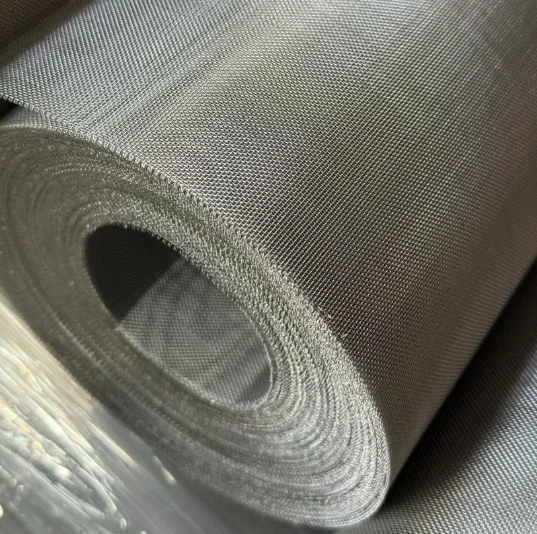
The aerospace industry demands materials that can withstand extreme conditions—from searing engine temperatures to corrosive atmospheric exposure—while maintaining structural integrity and performance. Nickel 200 wire mesh, a high-purity variant of nickel wire mesh (along with its woven counterpart nickel wire cloth), emerges as a critical component in this sector. Its exceptional corrosion resistance, thermal stability, and electrical conductivity align with the rigorous requirements of aircraft and spacecraft systems. Hebei Xiangguang Metal Net Co., Ltd., established in 1989 and grown from a local workshop to a leading wire mesh manufacturer in North China, specializes in crafting precision nickel 200 wire mesh for aerospace clients. Over 36 years, the company has merged traditional craftsmanship with modern industrial technology to produce nickel wire mesh that meets international aerospace standards, making it a trusted partner for wholesalers supplying aircraft manufacturers and maintenance firms. This article explores the key applications, properties, and value of nickel 200 wire mesh in aerospace, highlighting its relevance for wholesalers serving this high-stakes industry.
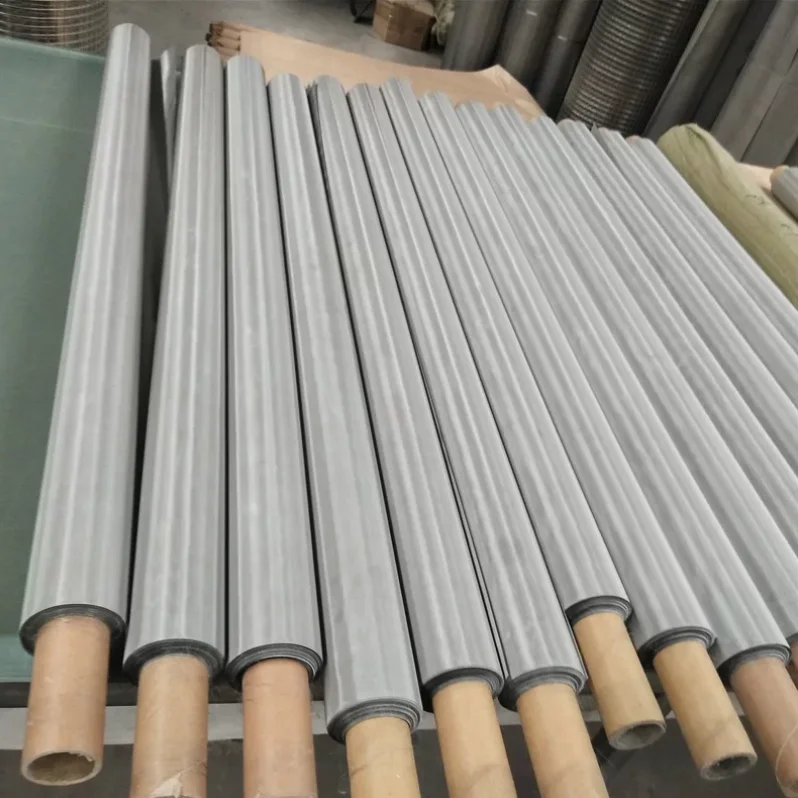
• Exceptional Corrosion and Oxidation Resistance: Nickel 200 wire mesh is composed of 99.6% pure nickel, granting it unmatched resistance to corrosion from aerospace fluids (e.g., jet fuel, hydraulic oil) and atmospheric elements (e.g., ozone, moisture). Unlike alloy-based nickel wire mesh, its high purity prevents intergranular corrosion—critical for components exposed to cyclic temperature changes (e.g., aircraft engine parts). Hebei Xiangguang’s nickel 200 wire mesh also resists oxidation at temperatures up to 650℃, ensuring longevity in high-heat aerospace environments. For wholesalers, this property means supplying a material that reduces maintenance costs for clients, as nickel 200 wire mesh components require fewer replacements over an aircraft’s lifespan.
• Superior Thermal and Electrical Conductivity: Aerospace systems rely on materials that efficiently transfer heat and electricity, and nickel 200 wire mesh delivers on both fronts. Its thermal conductivity (70 W/m·K) makes it ideal for heat exchangers and thermal management systems, while its electrical conductivity (22% IACS) suits grounding and shielding applications. Hebei Xiangguang’s nickel wire cloth (a woven form of nickel wire mesh) is engineered with uniform weave patterns to ensure consistent conductivity—avoiding performance gaps that could compromise aerospace systems. Wholesalers note that this reliability makes nickel 200 wire mesh a top choice for clients building critical aircraft systems, where even minor material flaws can lead to catastrophic failures.
Aerospace Component | Role of Nickel 200 Wire Mesh / Nickel Wire Cloth | Wholesale Value for Clients | Key Advantage Over Alternatives |
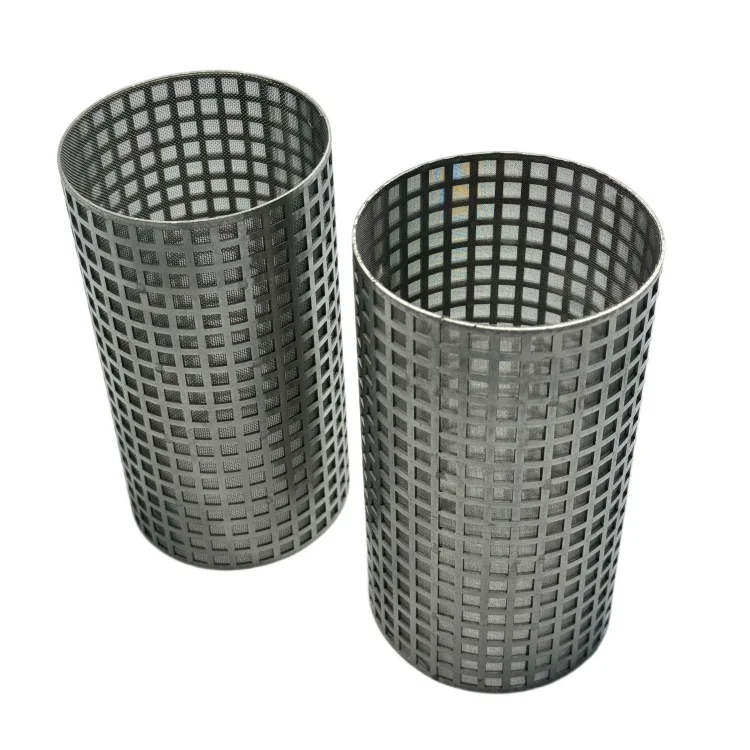
Engine Fuel Filtration | Nickel 200 wire mesh acts as a high-pressure filter in jet engines, removing contaminants (e.g., metal particles) from fuel without clogging. | Ensures engine efficiency; reduces premature wear of turbine components. | Resists corrosion from jet fuel (unlike stainless steel mesh). |
Thermal Shielding | Nickel wire cloth is layered in aircraft exhaust systems to dissipate heat, protecting nearby composite materials from thermal damage. | Prevents material degradation; extends the lifespan of exhaust components. | Maintains structural integrity at 600+℃ (unlike aluminum mesh). |
Electrical Grounding | Nickel 200 wire mesh is used in aircraft fuselages for electrical grounding, redirecting static electricity to prevent interference with avionics. | Enhances avionic system reliability; reduces static-related malfunctions. | Superior electrical conductivity (vs. copper mesh in corrosive environments). |
Cabin Air Filtration | Fine-weave nickel wire mesh filters airborne particles in cabin air systems, ensuring clean air for passengers while withstanding high airflow. | Meets aerospace hygiene standards; durable enough for 10,000+ flight cycles. | Reusable (washable) vs. disposable fiberglass filters. |
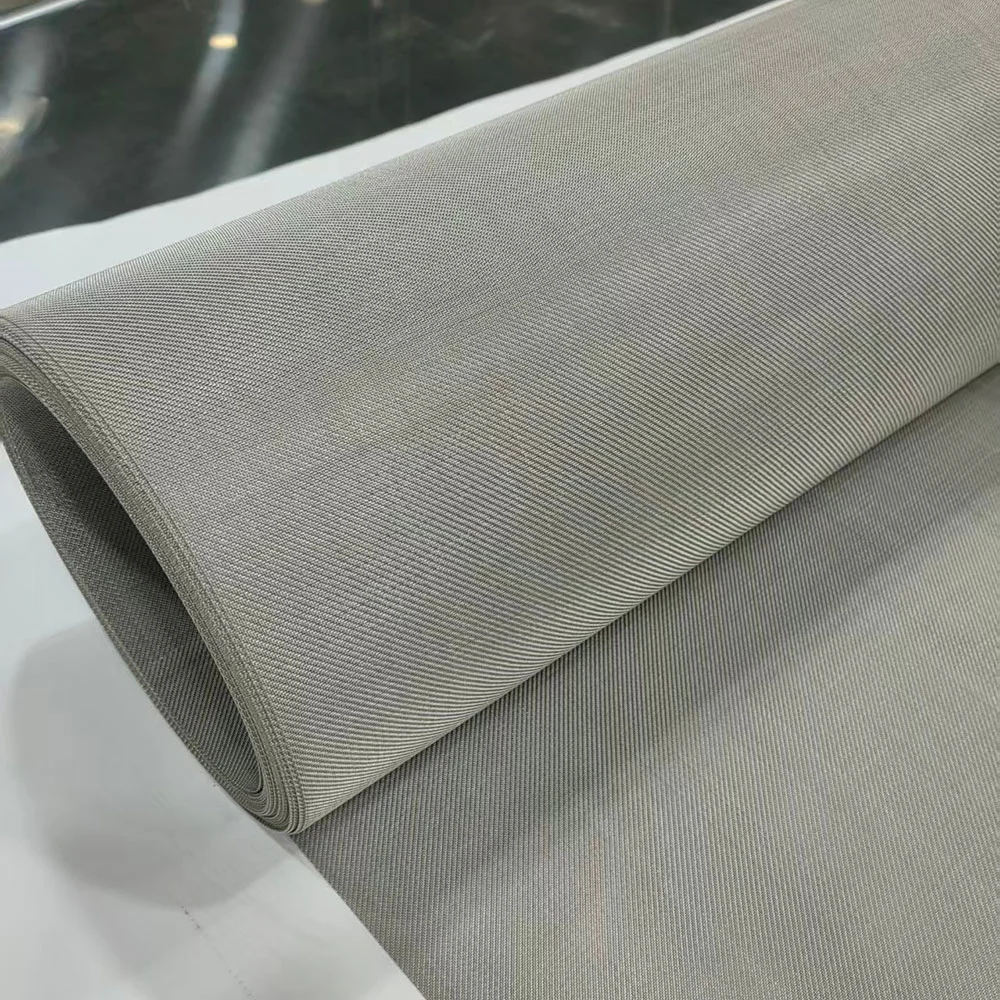
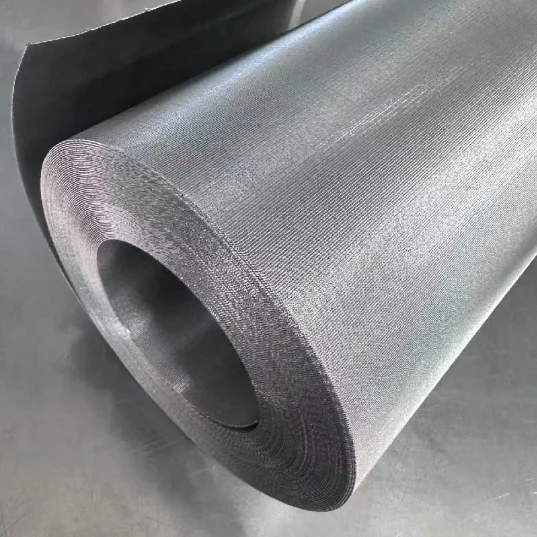
• Weave Patterns and Porosity: Hebei Xiangguang offers nickel 200 wire mesh in aerospace-grade weave patterns—plain weave (for filtration), twill weave (for strength), and Dutch weave (for fine particle retention). Porosity ranges from 30% to 70%, tailored to specific applications: 30-40% porosity for thermal shielding (maximizing heat transfer) and 60-70% porosity for air filtration (ensuring airflow while trapping particles). Wholesalers can guide clients to select porosity based on component function—for example, a jet engine fuel filter requires 40-50% porosity to balance filtration and fuel flow. This customization ensures nickel 200 wire mesh meets the exact needs of aerospace systems, reducing the risk of component failure.
• Wire Diameter and Mesh Size: Nickel 200 wire mesh for aerospace uses wire diameters from 0.1mm to 0.5mm, with mesh sizes (openings per inch) ranging from 20 mesh (coarse, for thermal shielding) to 200 mesh (fine, for air filtration). Hebei Xiangguang’s manufacturing process ensures diameter precision of ±0.005mm—critical for aerospace compliance, where even minor deviations can affect performance. For example, a 100-mesh nickel wire cloth (0.2mm diameter) used in avionic grounding must have uniform openings to ensure consistent static dissipation. Wholesalers benefit from this precision, as it allows them to supply clients with materials that meet strict aerospace certification standards (e.g., AS9100).
• vs. Stainless Steel Mesh: Nickel 200 wire mesh offers 3x better corrosion resistance in jet fuel and exhaust environments than stainless steel mesh. It also retains strength at higher temperatures (650℃ vs. 500℃ for stainless steel), making it suitable for engine and exhaust components. For wholesalers supplying aircraft engine manufacturers, this means a material that reduces warranty claims and component replacements.
• vs. Copper Mesh: While copper mesh has similar electrical conductivity, nickel 200 wire mesh resists corrosion in humid or salty aerospace environments (e.g., coastal airports or high-altitude moisture). Copper mesh also tarnishes over time, reducing conductivity—whereas nickel wire mesh maintains performance for 15+ years. Wholesalers can position nickel 200 wire mesh as a long-term, low-maintenance alternative for clients prioritizing durability.
• vs. Titanium Mesh: Titanium mesh is lightweight but 5x more expensive than nickel 200 wire mesh and has lower thermal conductivity. For non-weight-critical components (e.g., ground support equipment or cabin filtration), nickel 200 wire mesh delivers comparable performance at a fraction of the cost. This cost advantage is a key selling point for wholesalers working with budget-conscious aerospace maintenance firms.
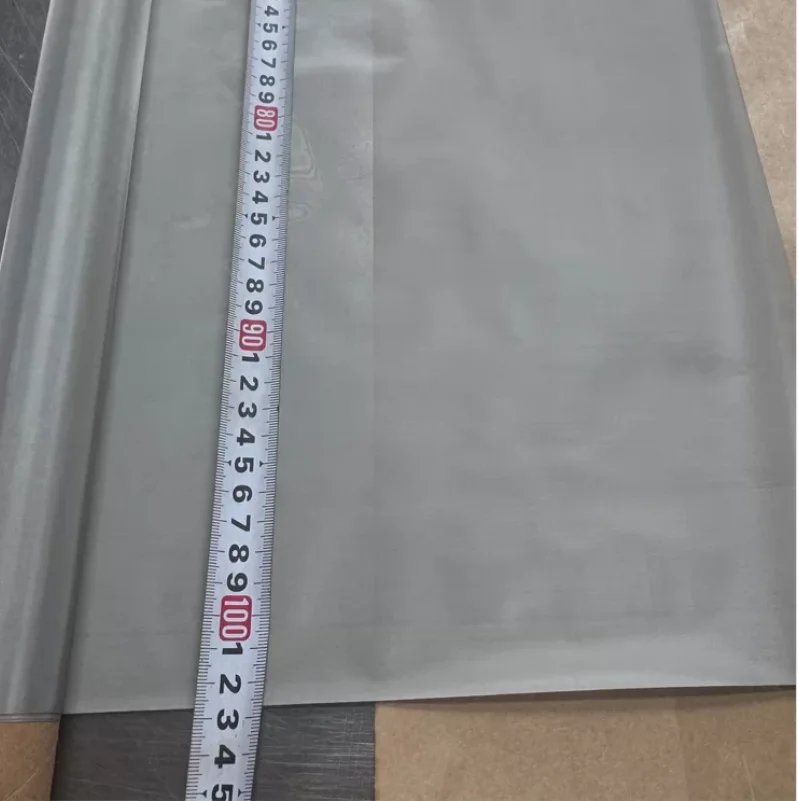
Yes—Hebei Xiangguang’s nickel 200 wire mesh is certified to meet AS9100 (aerospace quality management) and ASTM B160 (nickel and nickel alloy wire standards), ensuring compliance with global aerospace requirements. The company also provides material test reports (MTRs) for each batch, verifying purity (99.6% nickel), tensile strength, and corrosion resistance. Wholesalers can pass these certifications to clients, simplifying their compliance processes for aircraft manufacturing or maintenance projects. A wholesaler supplying European aerospace firms noted that these certifications were critical for winning long-term contracts.
Absolutely—Hebei Xiangguang offers full customization of nickel 200 wire mesh for aerospace clients, including custom weave patterns (e.g., hybrid plain-twill for high-strength filtration), wire diameters (0.05mm-1.0mm), and cut-to-size panels (up to 2m x 3m). The company can also add surface treatments (e.g., passivation) to enhance corrosion resistance for extreme environments (e.g., spacecraft reentry systems). Wholesalers can collaborate with Xiangguang to fulfill custom orders, even for low-volume, high-precision components—critical for aerospace prototype development or specialized maintenance.
For standard nickel 200 wire mesh specifications (e.g., 50-100 mesh, 0.2mm diameter), Hebei Xiangguang offers a lead time of 7-10 business days for bulk orders (100kg+). Custom orders (e.g., unique weave patterns or surface treatments) have a lead time of 15-20 business days, depending on complexity. The company maintains raw material stock (99.6% pure nickel wire) to minimize delays, a key advantage for wholesalers serving aerospace clients with tight project deadlines. A wholesaler supplying aircraft maintenance firms reported that this quick lead time helped them respond to emergency component replacements.
Yes—nickel 200 wire mesh is highly reusable, especially in non-destructive applications like cabin air filtration or ground support equipment. It can be cleaned with aerospace-grade solvents (e.g., isopropyl alcohol) to remove contaminants, restoring performance for multiple cycles. For engine components (e.g., fuel filters), nickel 200 wire mesh can be reused 5-8 times before replacement—reducing waste and costs for clients. Wholesalers can highlight this reusability as an environmental and economic benefit, aligning with aerospace industry sustainability goals.
Hebei Xiangguang provides comprehensive support to wholesalers: 1) Sample kits—nickel 200 wire mesh samples (various specs), MTRs, and certification documents for client presentations; 2) Technical consultation—engineers available to advise on mesh selection for specific aerospace applications (e.g., engine filtration vs. thermal shielding); 3) Logistics support—bulk shipping via air/sea with reinforced packaging to prevent mesh damage, plus competitive bulk pricing (volume discounts for 500kg+ orders); 4) After-sales support—replacement of defective materials (per aerospace quality standards) and 24/7 troubleshooting. To explore their nickel 200 wire mesh for aerospace applications, visit Hebei Xiangguang Metal Net Co., Ltd.’s webpage today!