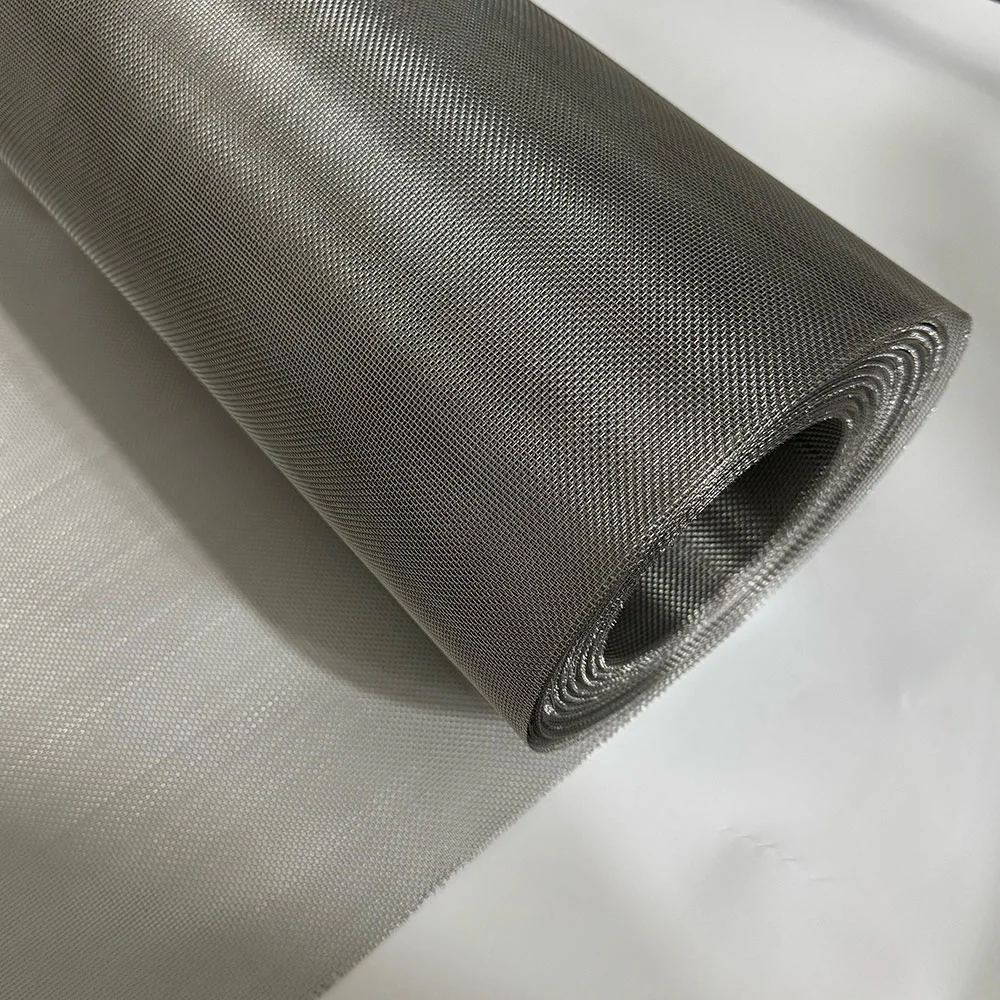
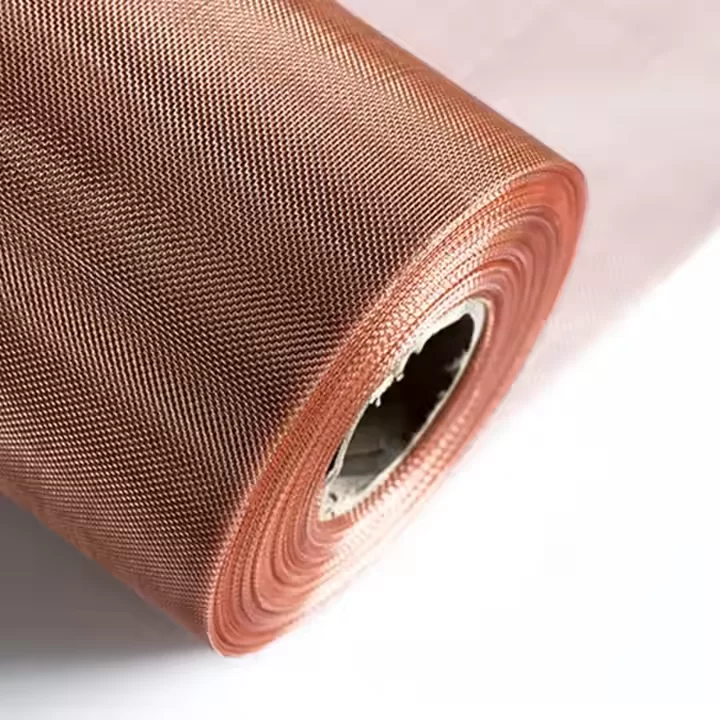
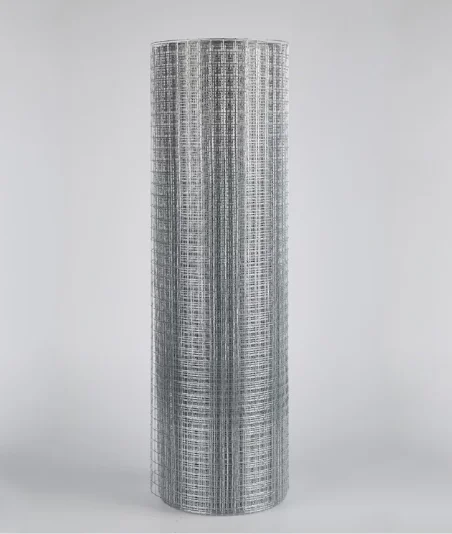
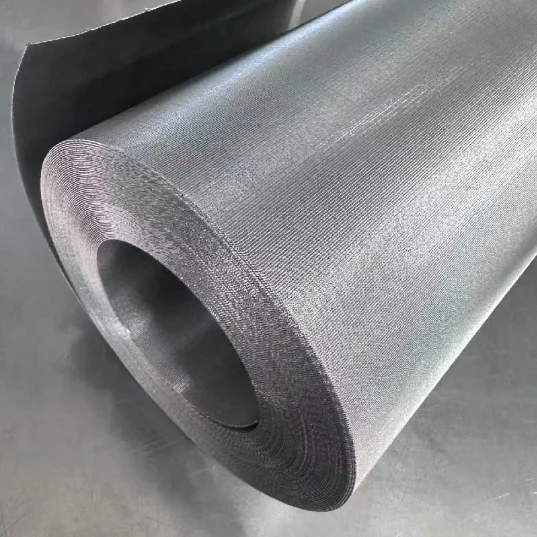
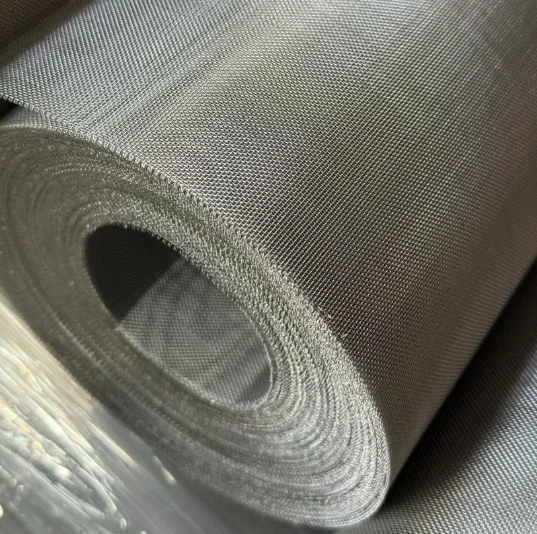
Filtration is a fundamental process across numerous industries, from chemical processing and oil refining to water treatment, food production, and energy systems. The materials chosen for filtration equipment directly determine its effectiveness, durability, and long-term value. Among the many materials available, nickel wire mesh has established itself as one of the most reliable and widely used options for corrosion-resistant filtration. Its ability to withstand harsh environments, maintain structural integrity, and deliver consistent performance makes it the preferred choice where other materials may fail. Understanding why nickel wire mesh stands out requires an examination of its chemical properties, mechanical characteristics, and real-world applications.
The most compelling reason nickel wire mesh is favored for corrosion-resistant filtration lies in the intrinsic properties of nickel itself. Nickel is a transition metal with a unique electronic structure that forms a stable protective oxide layer when exposed to air or corrosive substances. This natural passivation prevents rapid degradation and significantly slows down the rate of corrosion compared to materials such as carbon steel or even certain grades of stainless steel. For industries that work with strong acids, alkaline solutions, or saltwater environments, this resistance is vital. For example, in chemical processing plants where hydrochloric acid or sulfuric acid is present, traditional metals would rapidly corrode, leading to contamination of the filtered product and costly replacement of equipment. Nickel’s resistance to both oxidizing and reducing agents ensures the filtration system can operate reliably for extended periods without loss of efficiency.
Another important factor that makes nickel wire mesh superior in corrosion-resistant filtration is its mechanical stability under extreme conditions. Many filtration processes are not only chemically aggressive but also involve high temperatures, pressure fluctuations, and mechanical stress. Nickel wire mesh retains its strength and form even when exposed to elevated temperatures, often exceeding 600°C, which makes it suitable for catalytic processes, exhaust systems, and refining operations. Unlike polymer-based filters or softer metals, nickel does not deform easily, ensuring that the mesh maintains its precise pore structure. This stability guarantees consistent particle separation and avoids system downtime caused by frequent replacements or failures.
The longevity of nickel wire mesh in corrosive environments also brings clear economic advantages. Although the initial investment in nickel wire mesh may be higher than alternatives like stainless steel or synthetic filters, its durability and resistance to degradation significantly reduce maintenance costs over time. Frequent replacements not only require financial resources but also cause operational interruptions. By providing longer service life, nickel mesh reduces the frequency of system shutdowns, thereby increasing productivity. This life-cycle cost efficiency is particularly important in industries where downtime translates directly into lost revenue, such as petrochemical refining or offshore oil and gas production.
From a performance standpoint, nickel wire mesh offers precise filtration capabilities that are critical in applications requiring high purity. The mesh can be woven or fabricated into structures with varying pore sizes, allowing industries to customize the level of filtration according to specific needs. Whether the objective is to remove fine particles from chemical solutions, separate catalysts in petrochemical processes, or ensure the purity of gases in electronic manufacturing, nickel mesh provides the accuracy and reliability needed. Because the metal does not easily react with the materials being filtered, the risk of contamination is minimized, which is an essential factor in sensitive applications such as pharmaceutical production or food-grade filtration.
The versatility of nickel wire mesh further underscores its role as the material of choice in corrosion-resistant filtration. It can be fabricated into a wide range of forms, from woven meshes and expanded sheets to sintered structures. This adaptability enables its use not only in standard filters but also in complex, custom-designed filtration systems. For instance, in hydrogen production, nickel mesh is often integrated into purification systems because it can withstand both corrosive by-products and high operating pressures. In marine applications, it is used for desalination and seawater filtration because of its superior resistance to salt-induced corrosion. The same properties make it valuable in the aerospace industry, where lightweight, durable, and corrosion-resistant components are required for fuel and hydraulic systems.
The sustainability aspect of nickel wire mesh is another consideration that aligns with modern industrial priorities. As industries seek more environmentally responsible solutions, materials that reduce waste and improve efficiency are gaining attention. Nickel wire mesh contributes to sustainability by extending equipment lifespan and minimizing the frequency of replacements, which reduces material consumption and waste generation. Moreover, nickel is a recyclable material, which means that used filters can be recovered and repurposed rather than discarded. This characteristic supports the growing emphasis on circular economy practices and helps industries meet environmental compliance requirements.
When compared with other filtration materials, the advantages of nickel wire mesh become even more evident. Stainless steel, though widely used, often suffers from pitting or crevice corrosion in chloride-rich environments. Synthetic materials like polymer membranes may be cheaper, but they lack the thermal and chemical stability needed in heavy-duty industrial applications. Even other high-performance alloys may not offer the same balance of corrosion resistance, strength, and adaptability that nickel provides. This unique combination is why nickel wire mesh consistently outperforms alternatives in demanding environments where both performance and durability are non-negotiable.
In conclusion, nickel wire mesh is preferred for corrosion-resistant filtration because it offers a rare combination of chemical stability, mechanical strength, durability, and adaptability. Its natural resistance to corrosion in harsh environments ensures reliable performance, while its stability under high temperature and pressure makes it suitable for critical industrial processes. Beyond technical performance, it delivers long-term economic and environmental benefits by reducing maintenance costs, extending service life, and supporting sustainable practices through recyclability. As industries continue to evolve and face greater demands for efficiency and resilience, the role of nickel wire mesh in filtration systems will only become more significant, reinforcing its reputation as the material of choice for corrosion-resistant filtration.