Hit enter to search or ESC to close
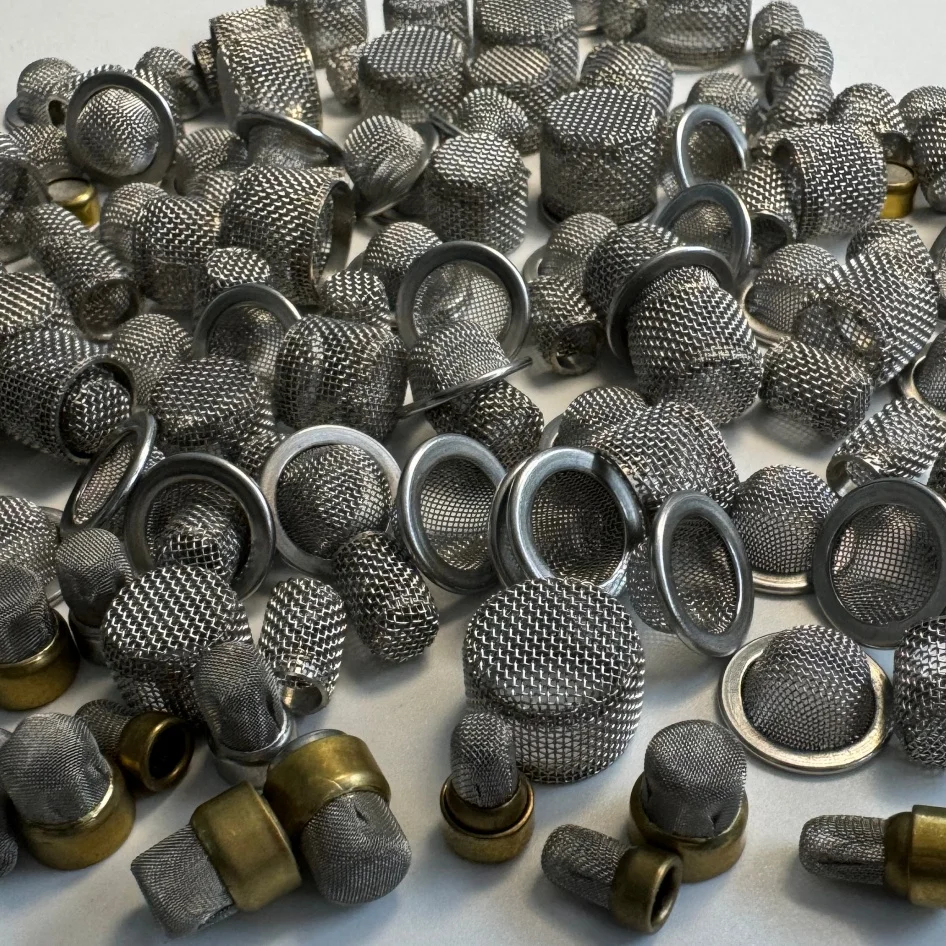
In complex industrial fluid dynamics, the cost of filtration failure extends far beyond the price of a replacement part—it results in downtime, contamination, and compromised system integrity. Whether your application requires the ductility and fatigue resistance of phosphor bronze or the high-temperature durability and corrosion resistance of sintered stainless steel, selecting the correct media is critical. Engineers often face the challenge of balancing filtration accuracy with flow rates, a dilemma that demands precise manufacturing.
Anping Top Metal Mesh Co., Ltd. bridges this gap by leveraging over 30 years of integrated R&D and production experience. Established in 1992, we have evolved from a local manufacturer to a global partner for industries in the USA, Germany, and Japan. Our approach is not just about weaving wire; it is about engineering solutions. By strictly adhering to ISO 9001 quality management systems, we ensure that every filter element we produce meets the rigorous demands of modern machinery, providing you with a reliable barrier against impurities.
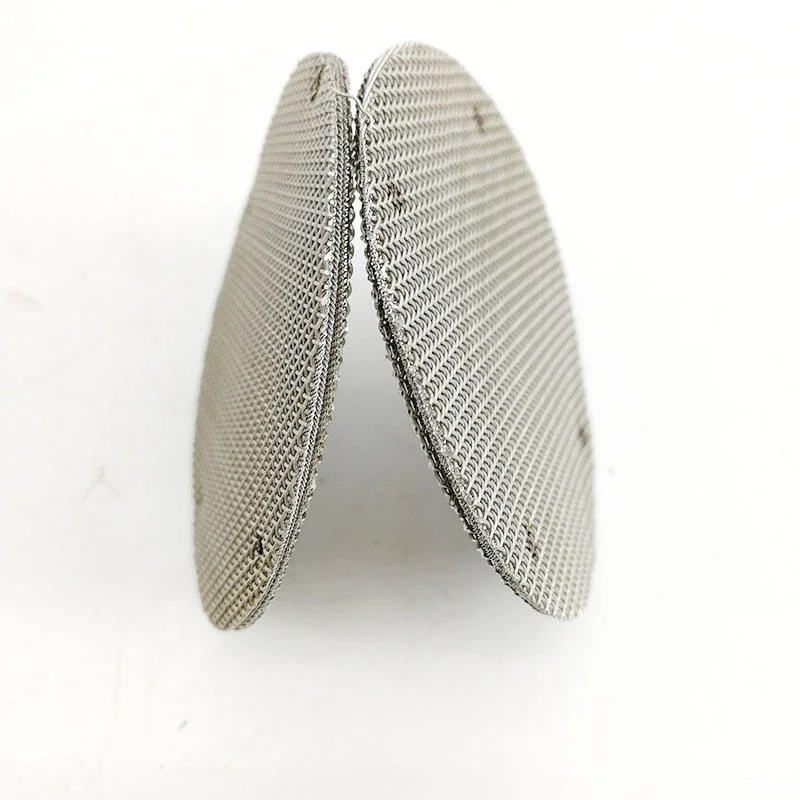
Reliability in filtration is defined by material purity and structural uniformity. When dealing with precision applications, the tolerance for error is virtually zero. Our production process utilizes advanced equipment for wire mesh weaving and processing, ensuring that aperture sizes remain consistent under pressure. This is particularly vital for sintered elements, where multiple layers of mesh are bonded to create a robust mechanical structure capable of withstanding high differential pressures.
To serve our clients in high-standard markets like Germany and Australia, we enforce a strict quality control protocol. The table below outlines how our engineering standards compare to general industry expectations, specifically for critical filtration applications.
| Performance Metric | Industry Significance | Our Engineering Standard | Advantage |
|---|---|---|---|
| Material Composition Integrity | Prevents corrosion and premature failure in harsh chemicals. | 100% Raw Material Verification (Spectrometer Testing) | Guaranteed chemical resistance and longevity in aggressive environments. |
| Aperture Consistency | Determines the accuracy of particle capture. | ISO 9001 Process Control & Optical Inspection | Uniform filtration efficiency, preventing oversized particle bypass. |
| Sintering Bond Strength | Ensures mesh does not delaminate under high pressure. | Advanced Vacuum Sintering Protocols | Enhanced mechanical stability and ability to be backwashed/cleaned. |
| Durability & Fatigue Resistance | Reduces maintenance frequency. | Validated for 30+ Year Export Quality (USA/Japan Standards) | Extended service life reducing Total Cost of Ownership (TCO). |
Investing in superior filtration technology is a strategic move to optimize operational expenditure (OPEX). While generic filter elements may offer a lower upfront cost, they frequently succumb to clogging or structural deformation, leading to increased energy consumption and frequent replacements. By deploying high-grade solutions engineered by Anping Top Metal Mesh Co., Ltd., facilities benefit from extended maintenance intervals and protected downstream equipment.
Our global footprint, exporting to over 30 countries, validates the economic efficiency of our products. A filter element that lasts 30% longer not only reduces procurement costs but also minimizes the labor and downtime associated with changeouts. The chart below illustrates the comparative performance retention of our precision-engineered elements versus standard market alternatives over time.
Related products
Top Selling Products
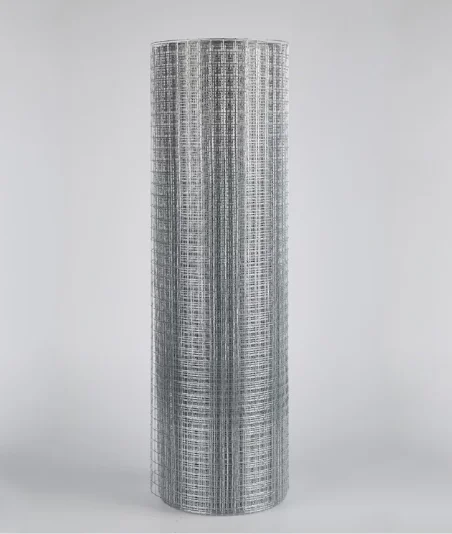
In modern construction, industrial production, and security applications, the demand for durable, precise, and versatile materials is greater than ever.
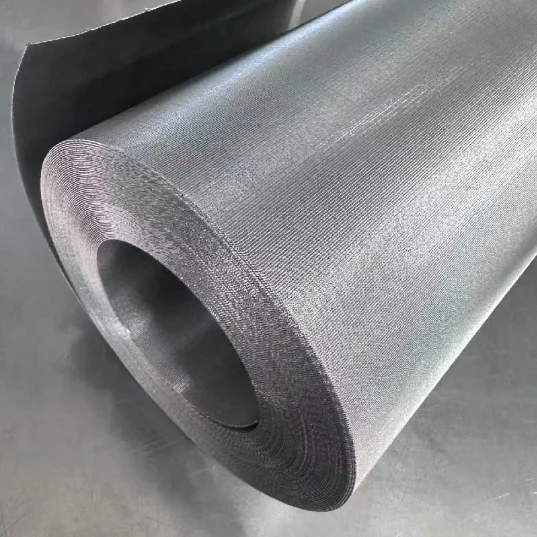
In the evolving landscape of industrial filtration and modern architecture, stainless steel reverse weave mesh has emerged as a high-performance material that combines precision, durability, and versatility.
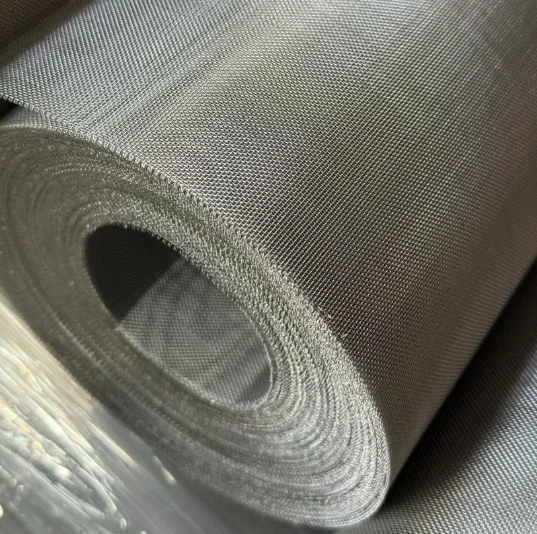
In high-performance industrial environments, material selection is critical for ensuring safety, durability, and efficiency.
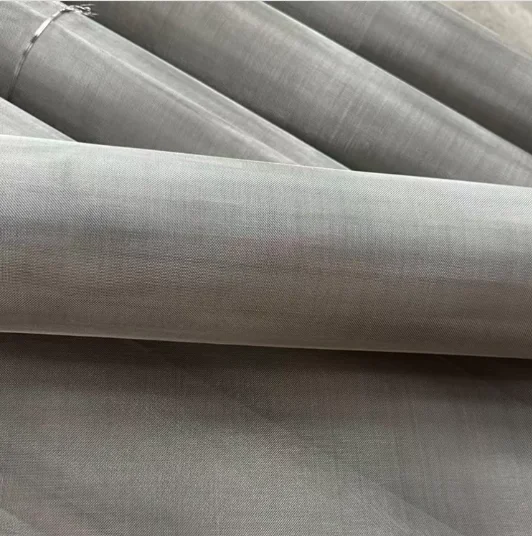
In contemporary industrial design and engineering, material selection plays a pivotal role in ensuring efficiency, safety, and longevity.