Hit enter to search or ESC to close
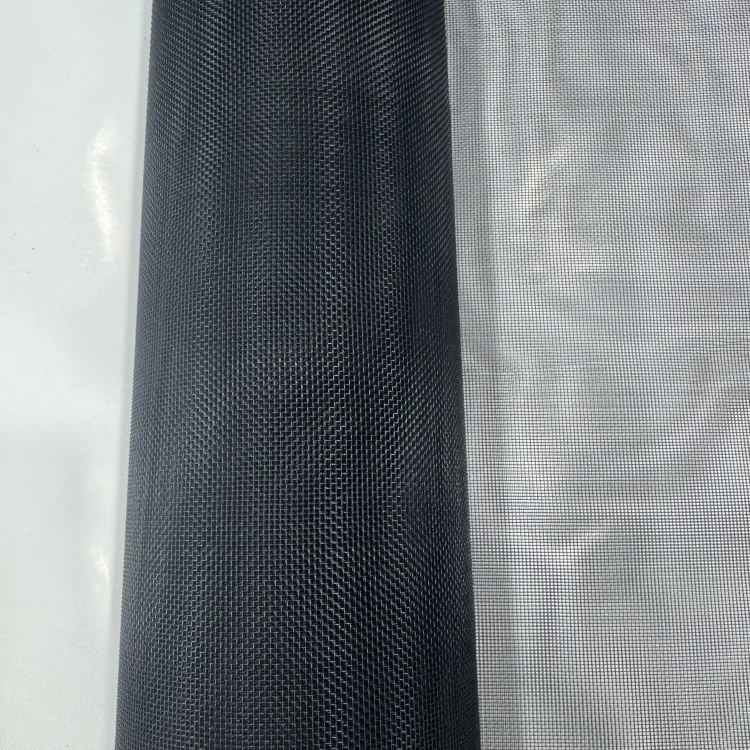
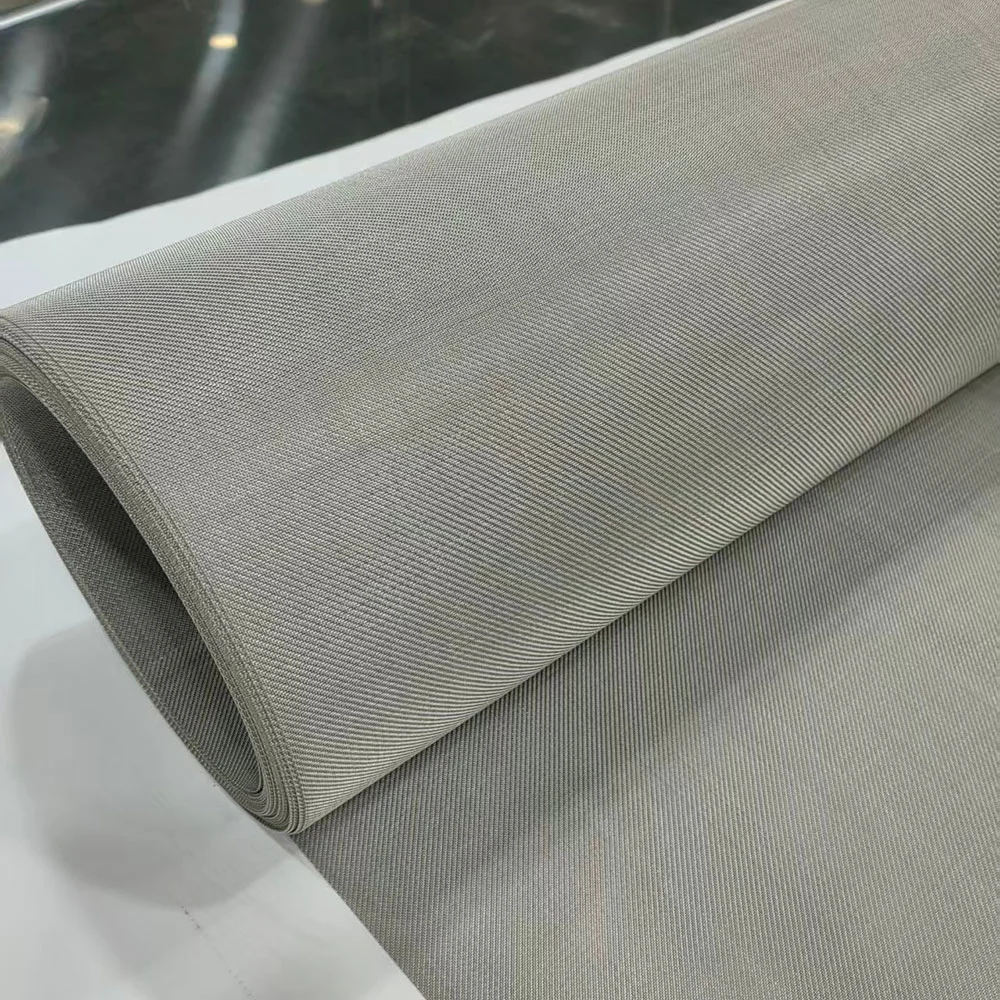
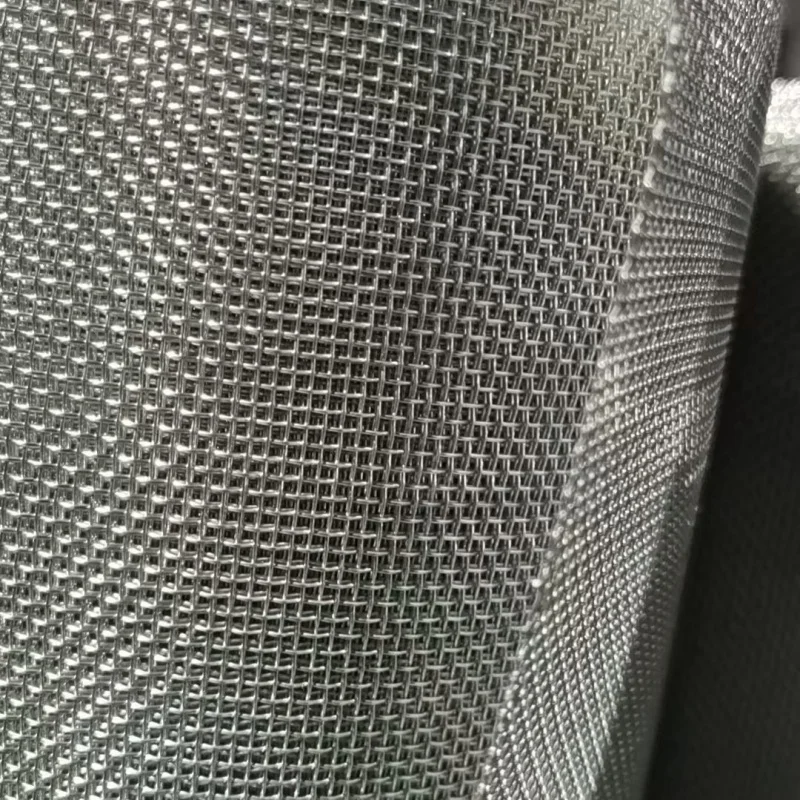
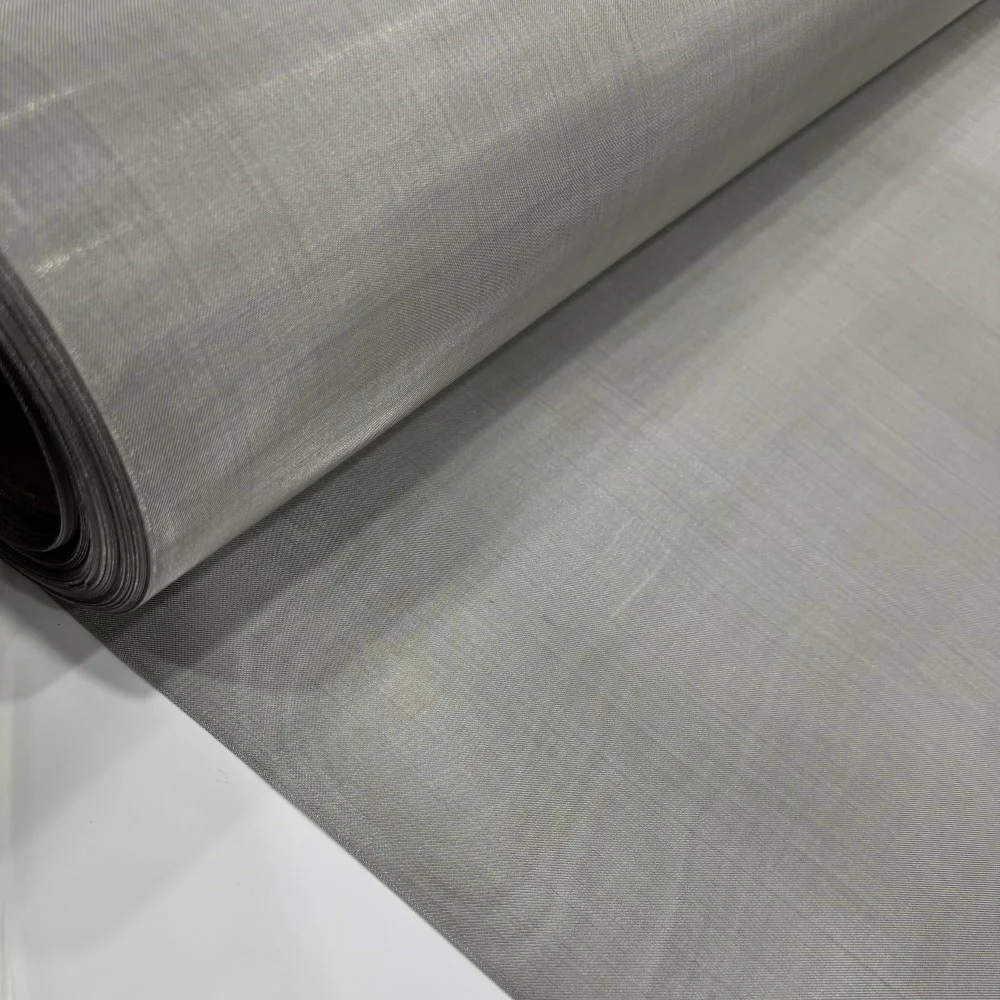
Architectural integrity and occupant comfort are frequently compromised by the smallest of intruders. For facility managers and construction specialists, the infiltration of tiny insects through ventilation systems and exterior cladding is not merely a nuisance—it is a functional failure of the building envelope. Standard insect screens often lack the weaving precision required to stop midges and gnats, leading to contamination and reduced air quality. Solving this requires a barrier that balances microscopic exclusion with necessary airflow.
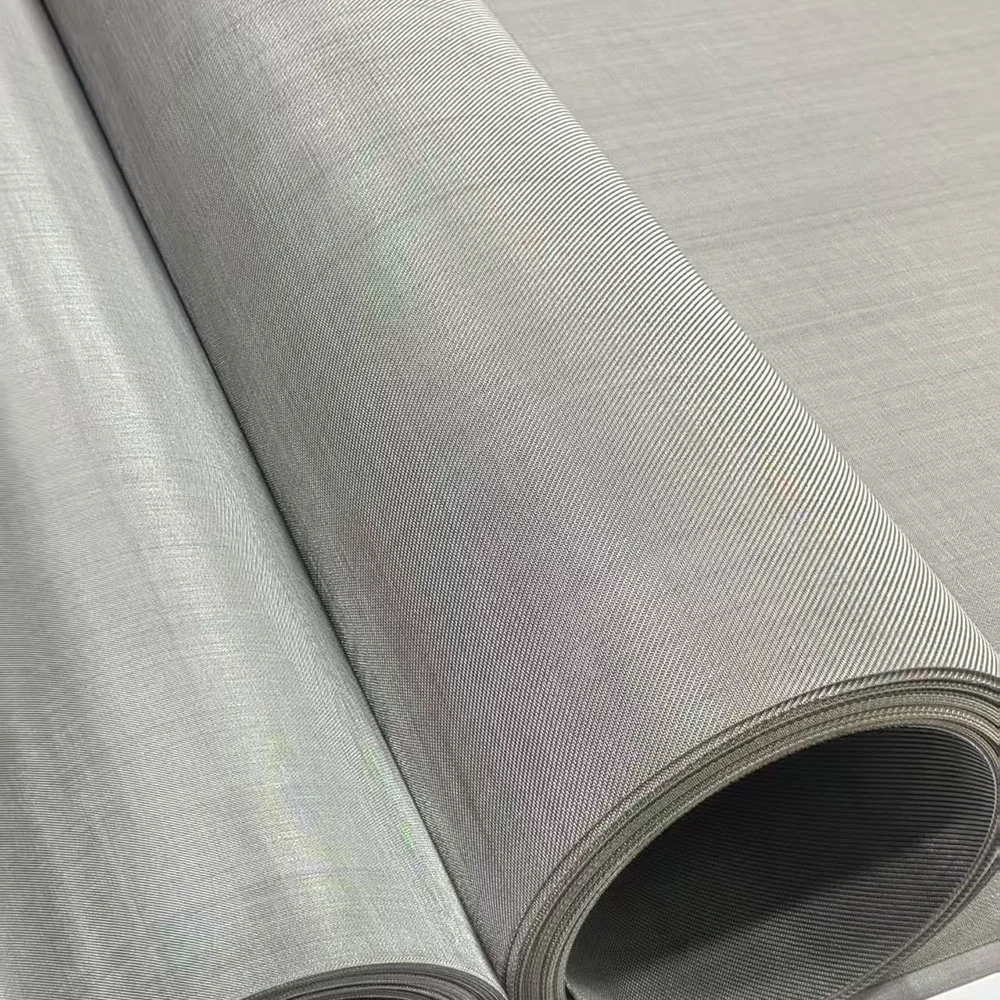
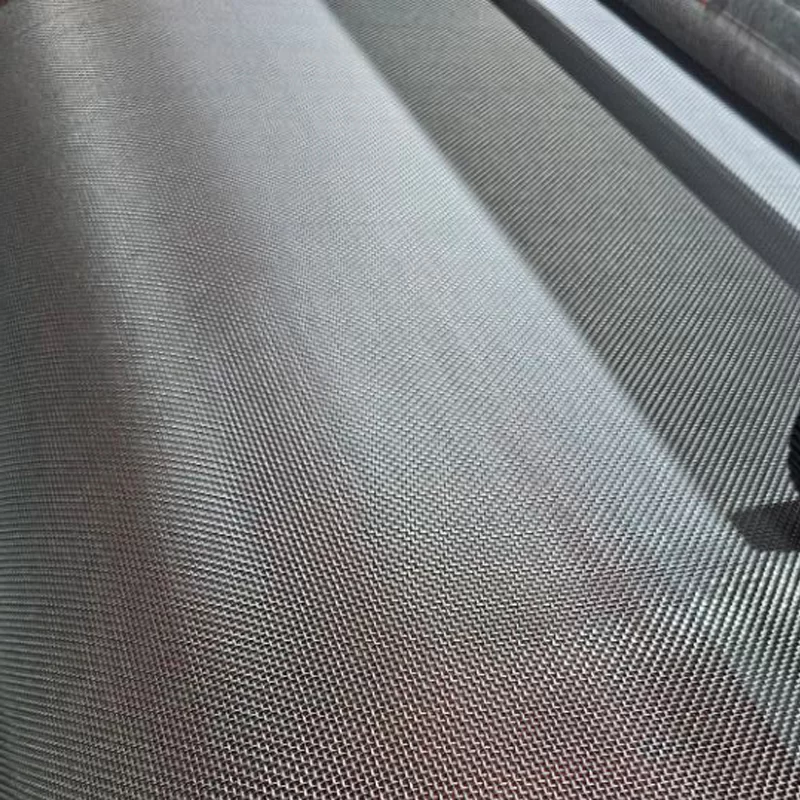
Anping Top Metal Mesh Co., Ltd. addresses this specific challenge by leveraging over three decades of manufacturing expertise. Established in 1992, our approach to weaving midge and gnat proof fine mesh for vents and cladding moves beyond standard production. By utilizing advanced production equipment and adhering to strict ISO 9001 quality management systems, we ensure that every square inch of mesh maintains the precise aperture consistency needed to repel even the smallest pests. Trusted by markets in Germany, the USA, and Japan, our solutions provide the reliability your infrastructure demands.
The efficacy of a protective screen lies in its engineering precision. When selecting materials for critical infrastructure, "fine mesh" is a vague term; what is required is quantifiable precision. At Anping Top Metal Mesh, our R&D integration allows us to produce high-grade stainless steel wire mesh that meets the rigorous demands of global industrial standards.
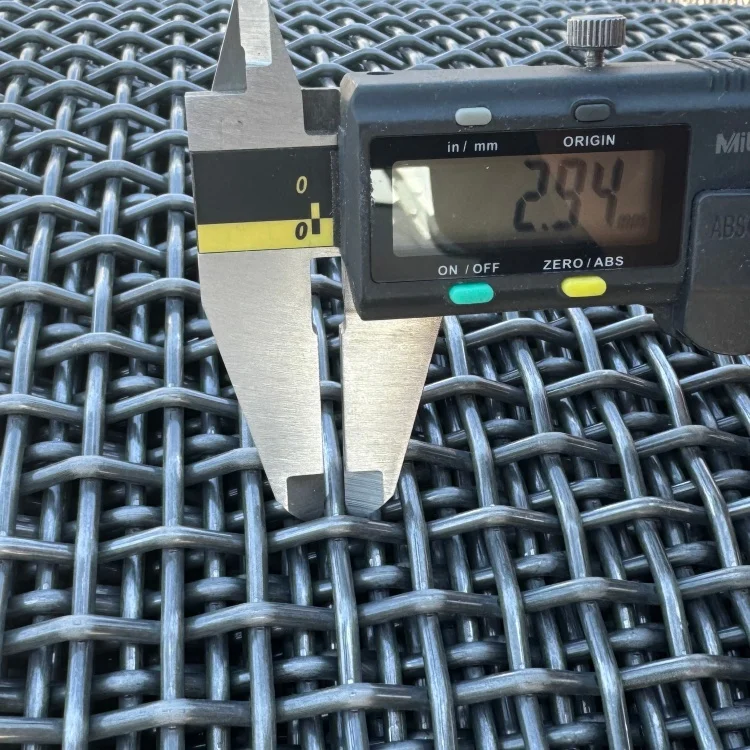
Our technical protocols focus on the relationship between wire diameter and aperture width to guarantee maximum exclusion without suffocating the building’s ventilation. Below is a breakdown of how our manufacturing capabilities translate into performance for midge and gnat proof fine mesh for vents and cladding.
| Performance Metric | Industry Significance | Our Engineering Standard | Advantage |
|---|---|---|---|
| Weaving Precision (Aperture Consistency) | Prevents tiny insects (midges/gnats) from finding gaps. | ISO 9001 Certified Quality Control & Advanced Weaving Looms | Uniform barrier ensuring zero pest infiltration while maintaining specification integrity. |
| Material Durability | Withstands weathering in exterior cladding applications. | Premium Grade Stainless Steel (Raw Material to Finished Product Control) | Long-term corrosion resistance suitable for exposed vents in harsh climates. |
| Airflow Permeability | Ensures HVAC efficiency and natural ventilation. | Precision Open Area Calculation via Professional R&D | Optimized Open Area % that blocks pests without choking airflow. |
| Structural Rigidity | Prevents sagging or warping in cladding installations. | 30+ Years of Stress-Test Data & Process Refinement | Maintains flatness and aesthetic appeal over decades of use. |
Investing in superior building materials is a strategic decision that impacts long-term operational costs. While generic screens may offer lower upfront costs, the expense of replacing corroded mesh or cleaning ductwork infested with biological matter quickly erodes those savings. By specifying high-precision midge and gnat proof fine mesh for vents and cladding, developers and engineers are investing in asset protection.
With a global footprint exporting to over 30 regions, Anping Top Metal Mesh Co., Ltd. delivers a product that reduces maintenance cycles. Our integrated production capabilities allow us to control costs without compromising quality, offering a value proposition that combines the longevity of stainless steel with the functional necessity of pest control. The data below illustrates the comparative lifecycle value of utilizing precision-engineered mesh versus standard market alternatives.
Related products
Top Selling Products
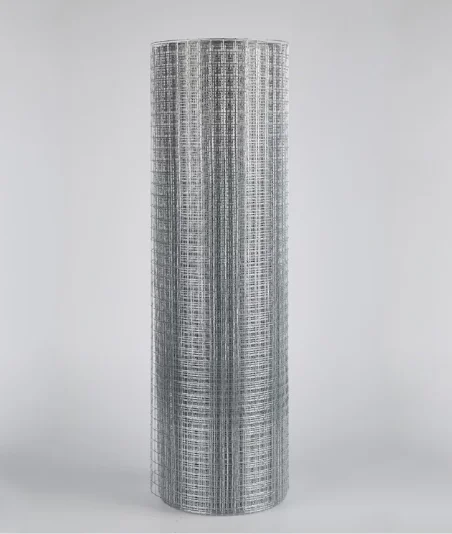
In modern construction, industrial production, and security applications, the demand for durable, precise, and versatile materials is greater than ever.
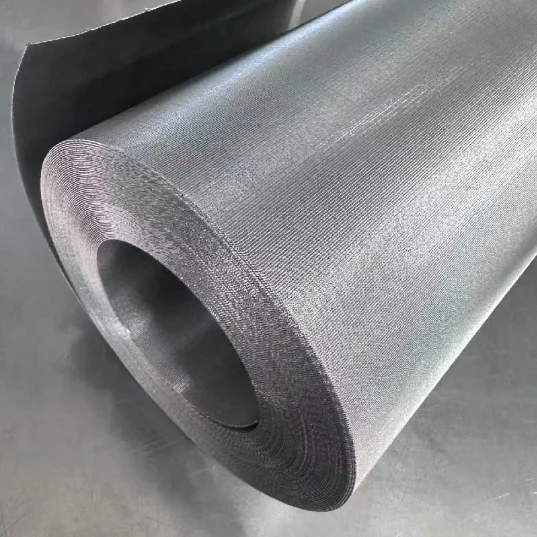
In the evolving landscape of industrial filtration and modern architecture, stainless steel reverse weave mesh has emerged as a high-performance material that combines precision, durability, and versatility.
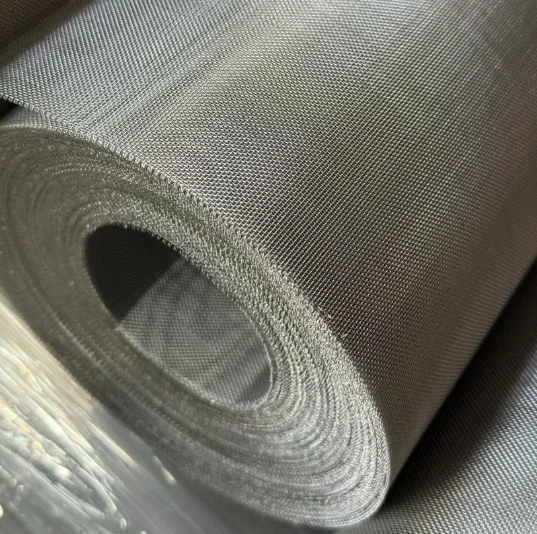
In high-performance industrial environments, material selection is critical for ensuring safety, durability, and efficiency.
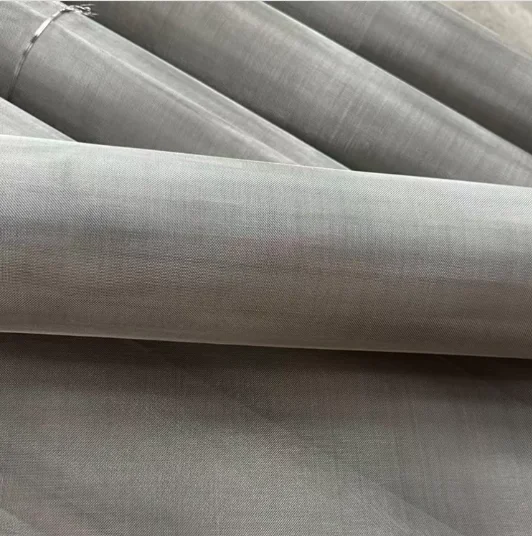
In contemporary industrial design and engineering, material selection plays a pivotal role in ensuring efficiency, safety, and longevity.