Hit enter to search or ESC to close
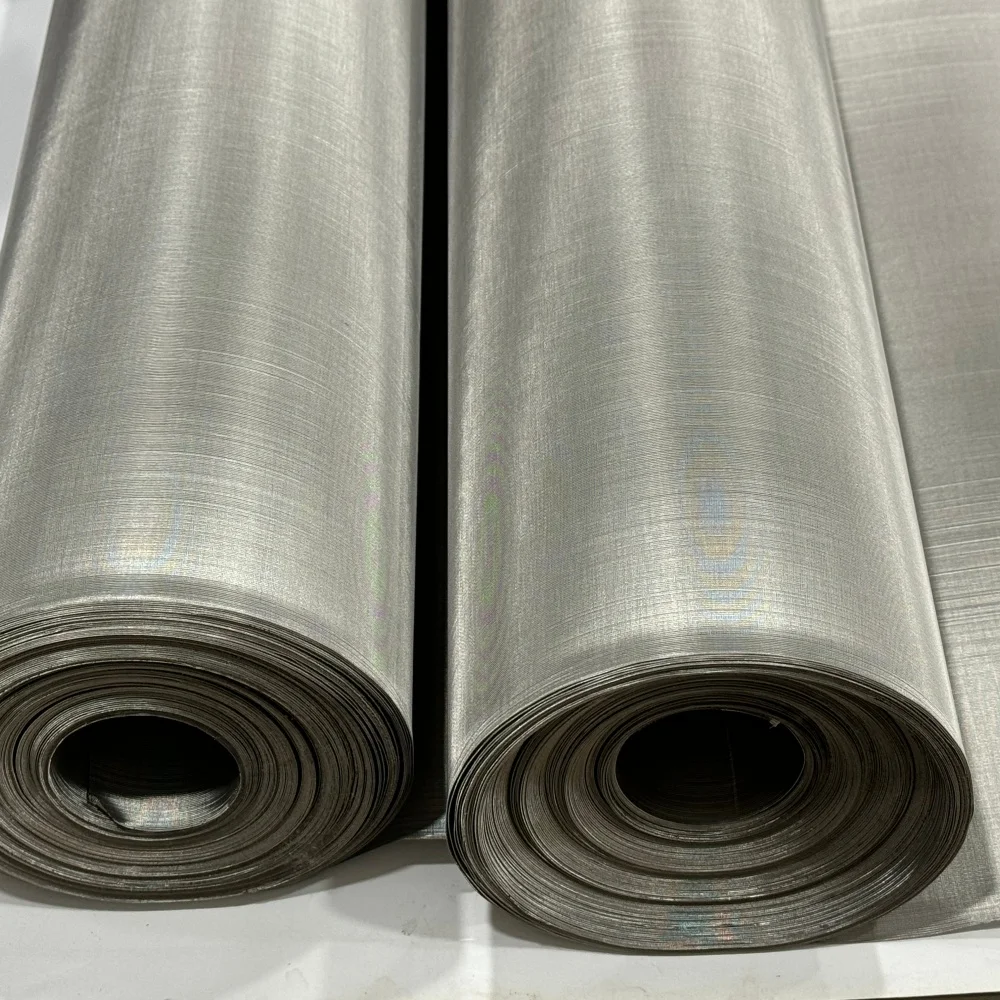
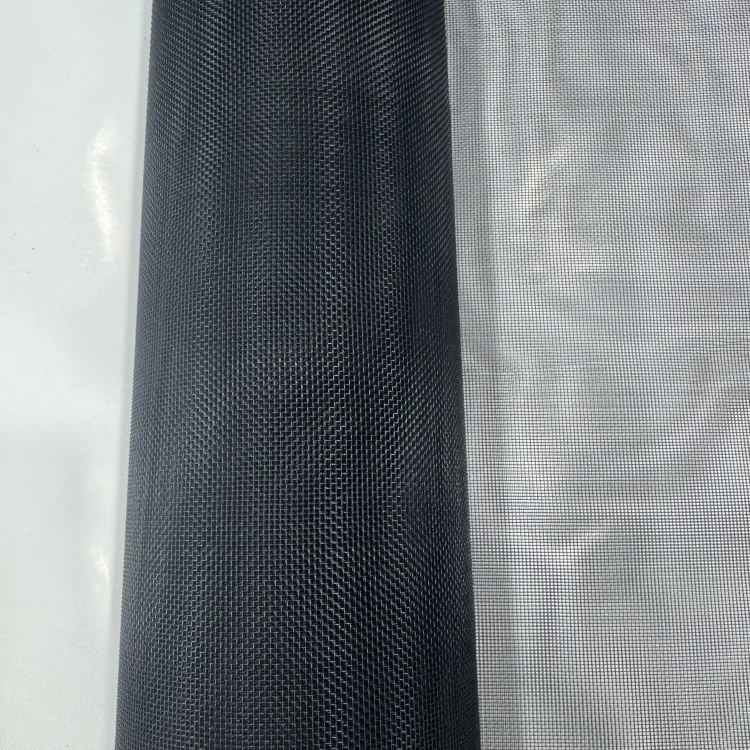
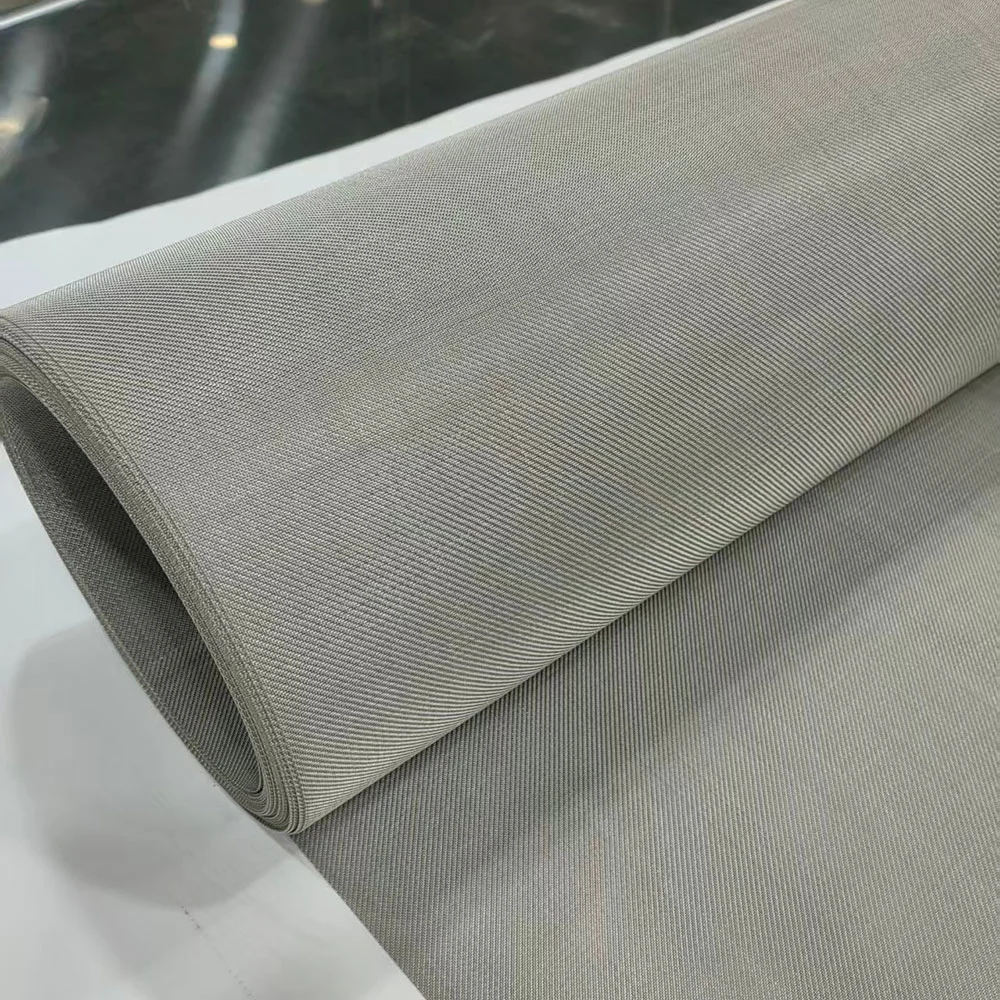
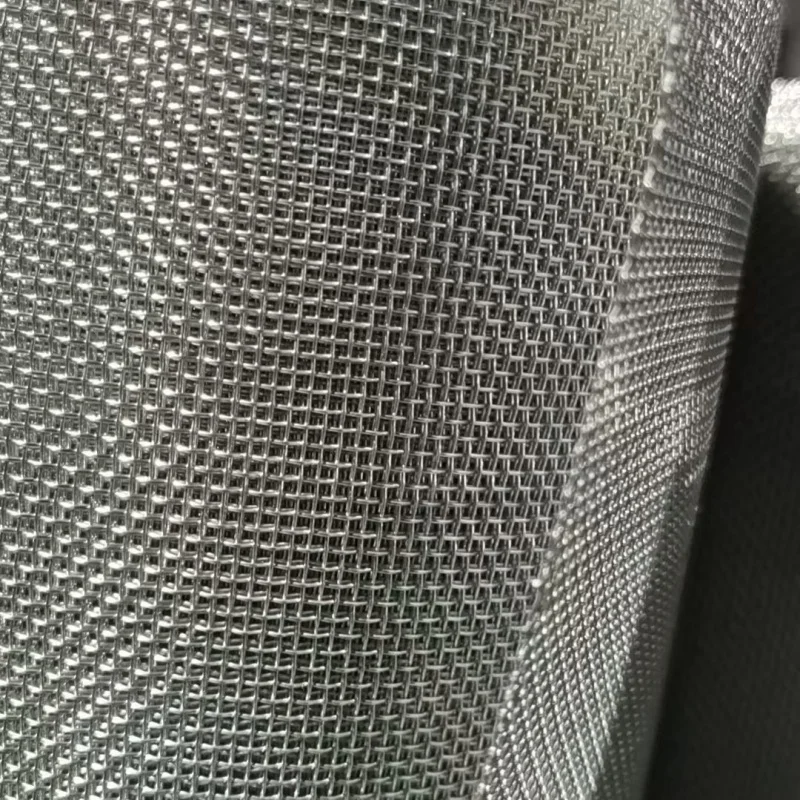
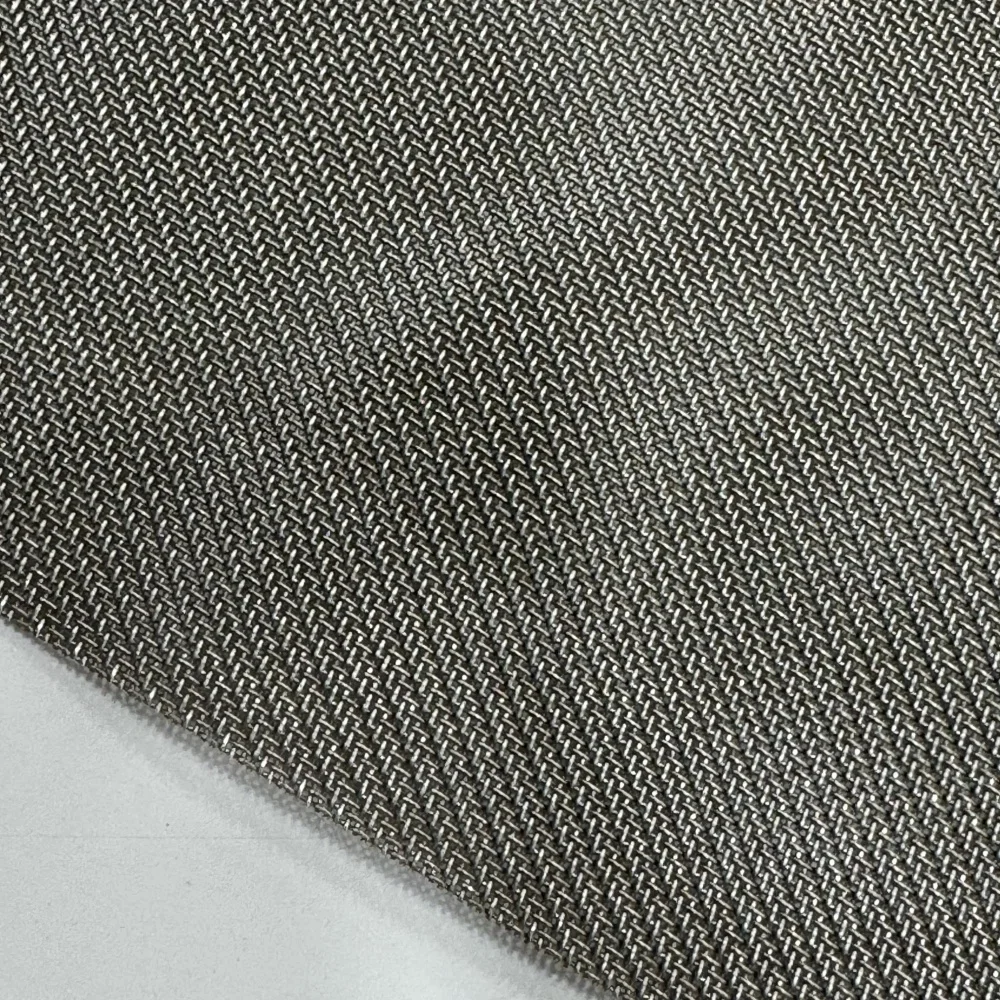
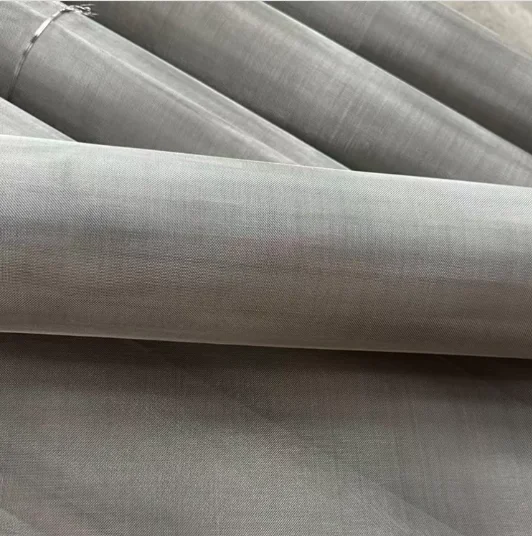
In industrial environments or regions subject to extreme thermal fluctuations, standard filtration and screening solutions often fail prematurely. The challenge isn’t just about keeping insects out; it is about maintaining structural integrity when exposed to heat sources or harsh sunlight. When selecting a high temperature stainless steel window fly screen, the decision impacts both operational safety and facility maintenance cycles. Standard synthetic meshes can warp, melt, or become brittle, leaving your facility vulnerable to contamination.
Since 1992, Anping Top Metal Mesh Co., Ltd. has bridged the gap between basic insect protection and industrial-grade durability. Understanding that off-the-shelf solutions rarely meet specific high-temperature requirements, we leverage over 30 years of integrated R&D and production experience. Our approach ensures that every mesh produced at our Anping headquarters is not just a barrier, but a specialized component designed to withstand rigorous conditions while ensuring optimal airflow. By combining high-grade stainless steel materials with precision weaving, we provide a solution that solves the dual problem of pest control and thermal resistance.
Reliability in extreme conditions is dictated by material science and manufacturing precision. A true high temperature stainless steel window fly screen must adhere to strict metallurgical standards to prevent oxidation and elongation under thermal stress. At Anping Top Metal Mesh, our ISO 9001 certified quality management system governs every stage of production, ensuring that the raw materials used are capable of performing in the demanding markets of Germany, the USA, and Japan.
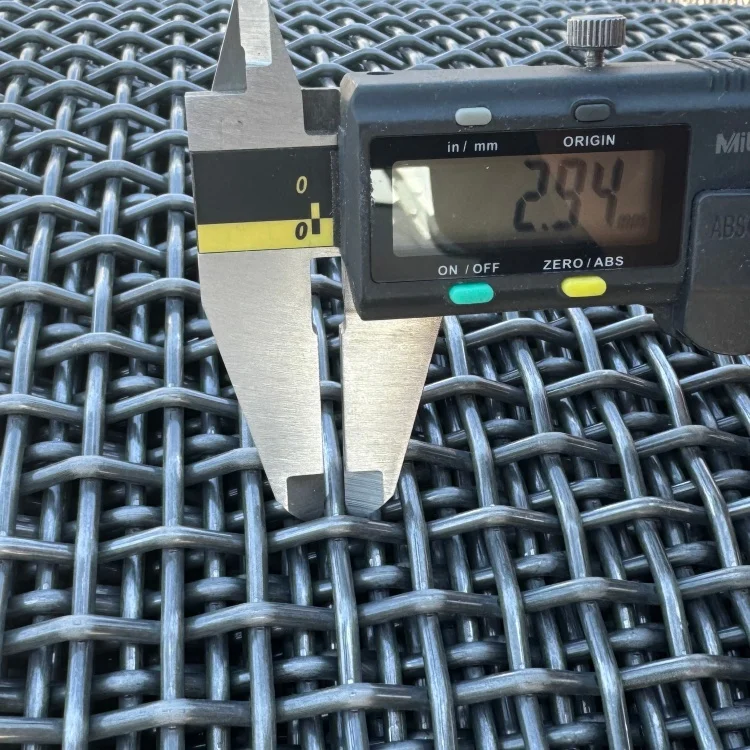
We utilize advanced weaving equipment to ensure mesh uniformity, which is critical for maintaining visibility and ventilation without compromising strength. Below is a breakdown of how our engineering standards elevate the performance of our screens compared to generic market options.
| Performance Metric | Industry Significance | Our Engineering Standard | Advantage |
|---|---|---|---|
| Thermal Stability | Prevents warping/melting near heat sources. | Premium Grade Stainless Steel (304/316) | Maintains shape and tension in high-heat zones. |
| Weave Precision | Ensures consistent filtration/insect blocking. | Automated Advanced Loom Weaving | Zero aperture deviation; strictly follows ISO 9001 protocols. |
| Corrosion Resistance | Longevity in humid or chemical environments. | Passivated Surface Treatment | Extended service life verified by export standards (USA/Germany). |
| Tensile Strength | Resistance to physical impact and pressure. | High-Tensile Wire Drawing | Superior durability compared to standard fiberglass or aluminum. |
Procurement decisions for industrial or high-grade residential screening should be viewed through the lens of Total Cost of Ownership (TCO). While the initial investment in a high temperature stainless steel window fly screen may be higher than synthetic alternatives, the long-term Return on Investment (ROI) is substantially greater. The frequency of replacement for standard screens in high-stress environments drives up maintenance labor and downtime costs.
Anping Top Metal Mesh Co., Ltd. empowers global clients—from Australia to Southeast Asia—to transition from frequent consumable purchasing to long-term asset investment. By deploying our durable stainless steel screens, facilities reduce replacement frequency significantly. The chart below illustrates the projected lifecycle savings when upgrading to our high-performance mesh, demonstrating how superior durability translates directly to financial efficiency.
Related products
Top Selling Products
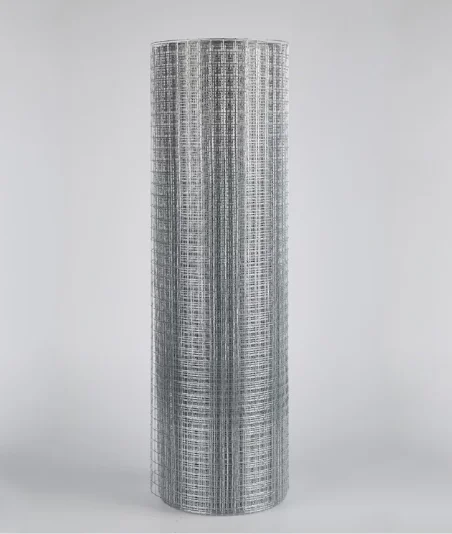
In modern construction, industrial production, and security applications, the demand for durable, precise, and versatile materials is greater than ever.
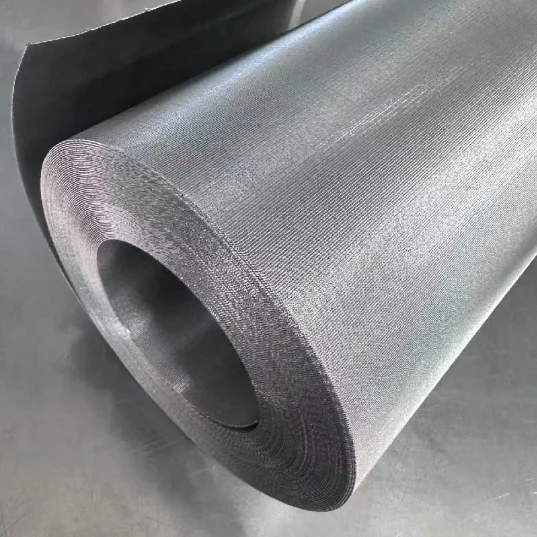
In the evolving landscape of industrial filtration and modern architecture, stainless steel reverse weave mesh has emerged as a high-performance material that combines precision, durability, and versatility.
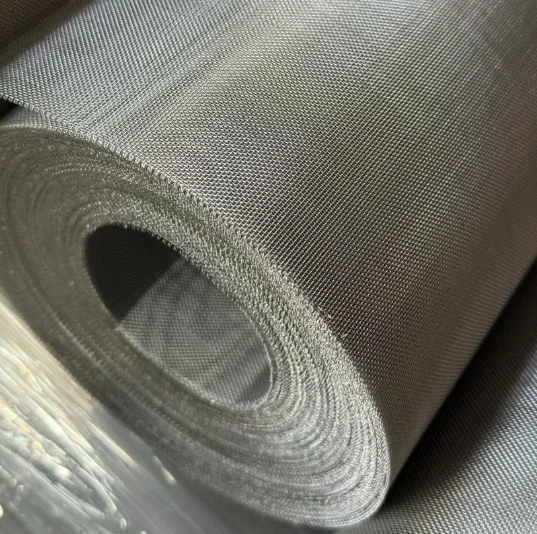
In high-performance industrial environments, material selection is critical for ensuring safety, durability, and efficiency.
In contemporary industrial design and engineering, material selection plays a pivotal role in ensuring efficiency, safety, and longevity.